
Read More
Lawmakers have urged the government to adjust the proposed cap on ride-hailing vehicle permits in response to changing transport demand, after the administration proposed limiting the initial quota to 10,000.
ADVERTISEMENT
SCROLL TO CONTINUE WITH CONTENT
During a Legislative Council debate on four pieces of subsidiary legislation governing ride-hailing services on Thursday, textiles and garment sector lawmaker Sunny Tan said the proposed quota would fall far short of actual public demand.
He said that even if every licensed vehicle were in operation, each driver would still need to work at least six hours a day to meet basic demand.
Tan urged the government to assess actual transport capacity promptly after the first batch of permits is issued and adjust the quota where necessary to ensure passengers can find rides.
Business sector lawmaker Jonathan Lamport warned that 10,000 vehicles might not be enough during peak hours, potentially leading to sharp fare increases.
He criticized the government for not setting out a clear review timetable or specifying the data that would be used to assess demand, and called for objective monitoring benchmarks.
Lamport also raised concerns about the arrangement linking each driver to a designated vehicle. He said drivers would be unable to work if their registered vehicles broke down and proposed introducing temporary replacement permits.
Meanwhile, New People’s Party lawmaker Adrian Pedro Ho King-hong warned against the emergence of “zombie licenses” that are obtained but left inactive. He also highlighted possible surges in demand during public holidays, major events and severe weather.
Ho urged the government to establish a permit waiting list so backup vehicles could be deployed quickly when needed.
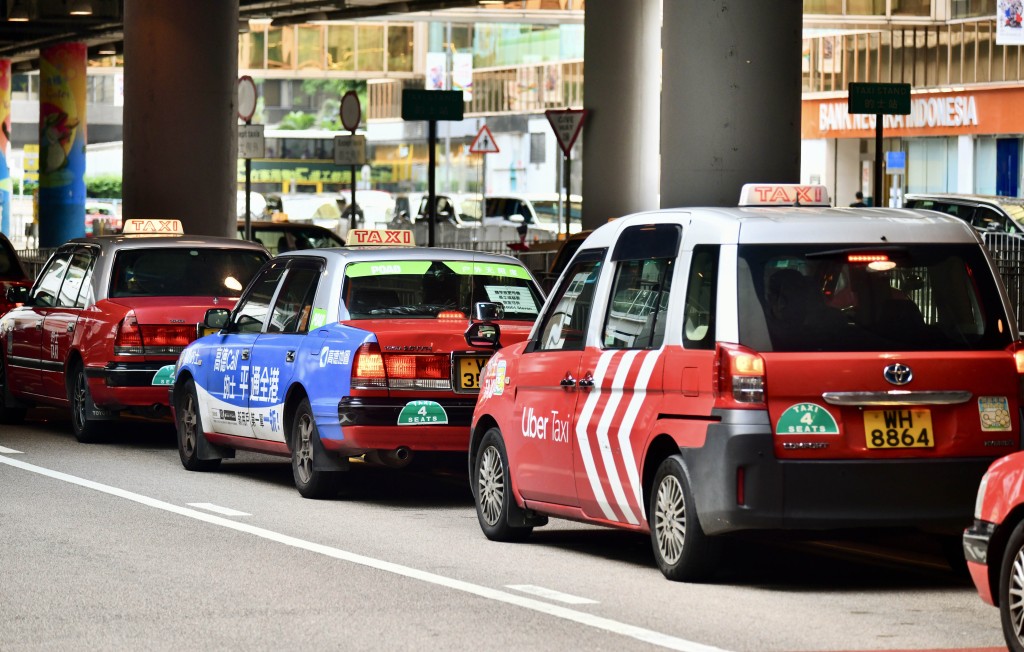
Hong Kong Federation of Trade Unions lawmaker Lam Wai-kong said the new ride-hailing fleet, together with the city’s roughly 18,000 taxis, should be sufficient to meet commuting demand.
However, he warned that the expansion of ride-hailing services could severely affect the taxi trade, as taxi fares are regulated through meters while ride-hailing platforms can set prices more freely.
Lam called on the government to establish a dedicated taxi industry development fund to help operators upgrade vehicles and facilities and improve service quality.
Following the legislative approval, a representative from Uber described the government's action as a crucial step forward in creating a clear regulatory environment.
The company indicated it would actively prepare its license application while continuing to collaborate with authorities and stakeholders to develop a pragmatic, data-driven review mechanism.
Uber emphasized its ongoing commitment to providing safe and seamless transportation for residents and tourists, adding that it would fully support its driver partners and protect their livelihoods throughout the transitional period.
(Updated at 9.02pm)