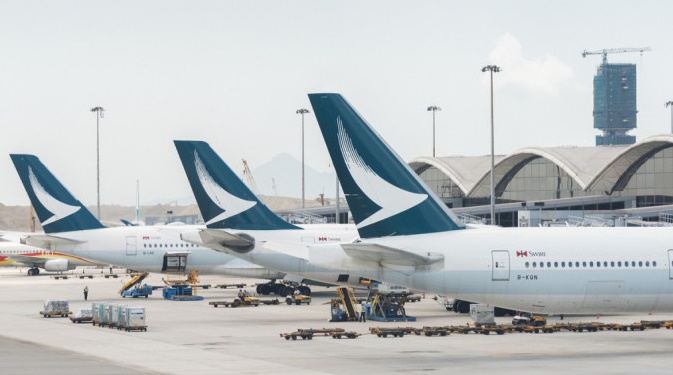
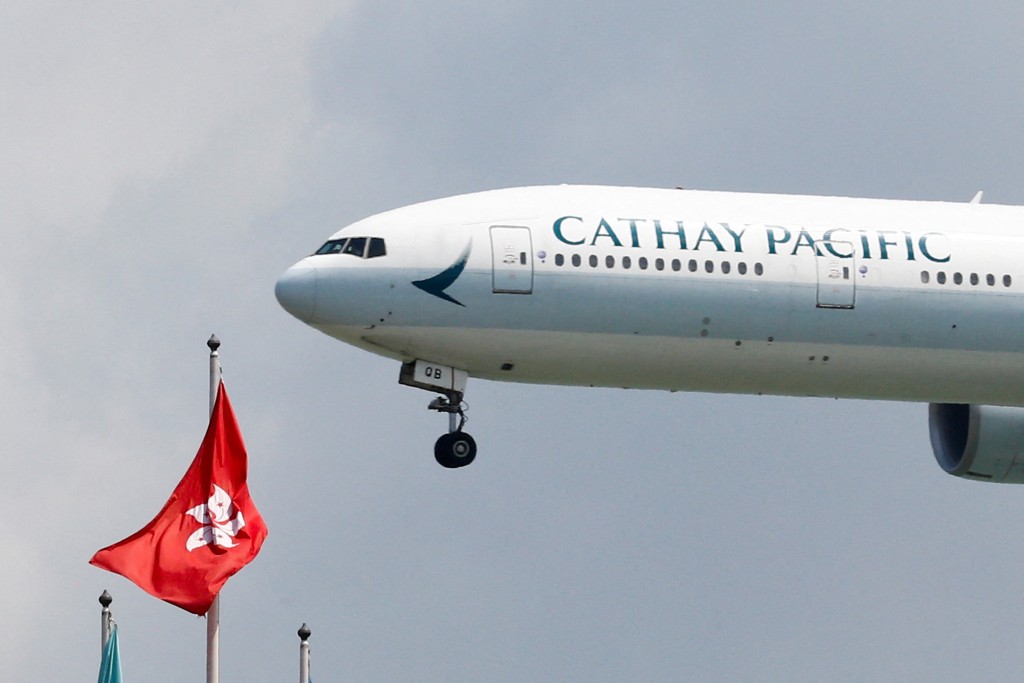
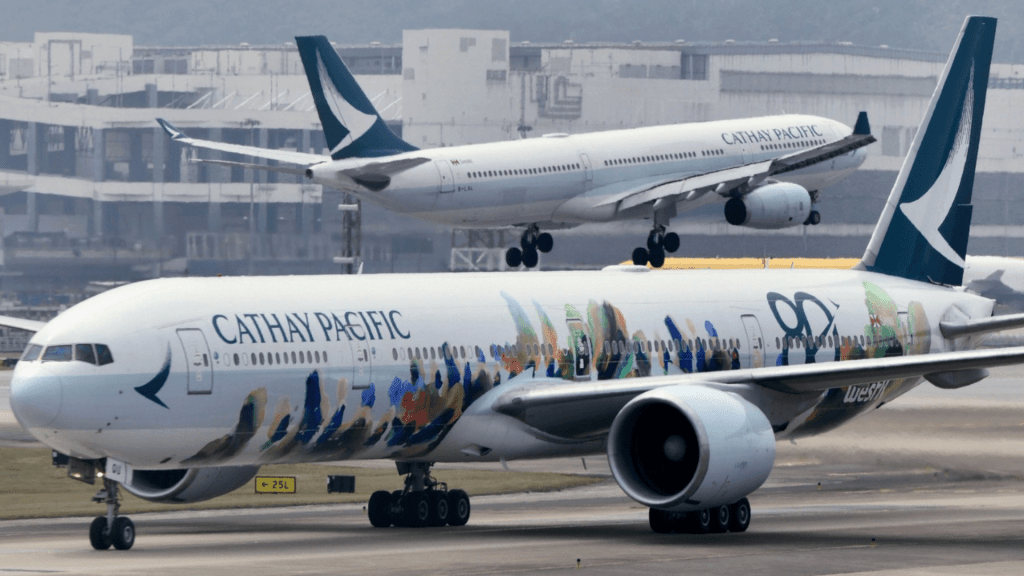
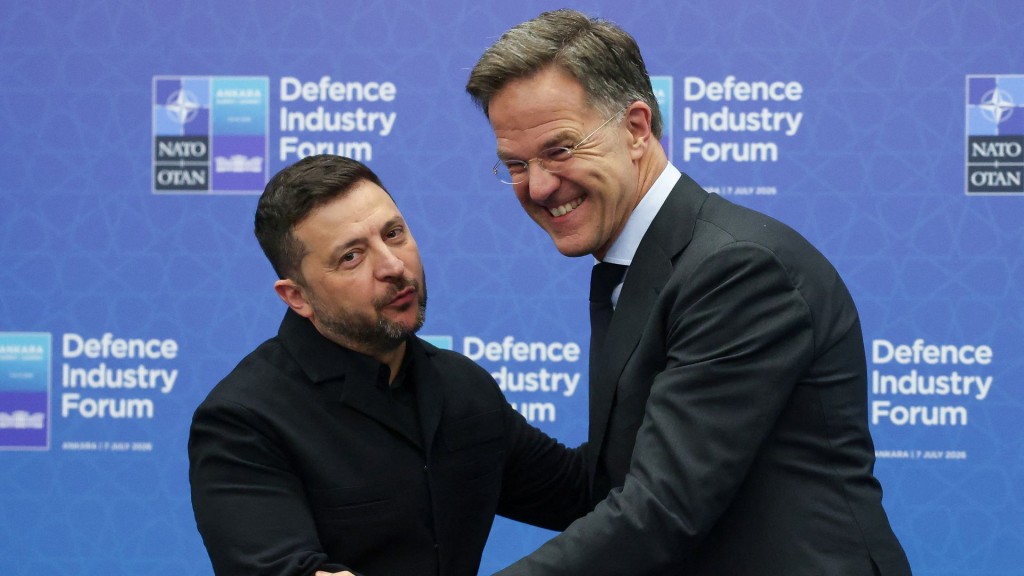
NATO’s decision to scramble fighter jets to intercept a Cathay Pacific Airways flight over Romania was likely triggered by the highly sensitive nature of the airspace near the Ukraine war zone, an aviation expert said on Thursday.
Speaking on a radio program, the chairman of the Hong Kong Professional Airline Pilots Association Steven Dominique Cheung explained that a brief loss of contact with an aircraft is not uncommon globally. It is often caused by pilots tuning to the wrong frequency, equipment malfunctions, or missing a call.
He said that commercial flights are equipped with four layers of communication defenses, including three separate radio channels and third-party relay assistance, meaning fighter jet interception is strictly a final resort reserved for total communication loss.
Cheung emphasized that the aviation industry operates under a strict culture of “never assume, always verify.” The primary objective of scrambling fighter jets is to visually identify the aircraft and confirm the safety of the crew, not to launch a military attack.
However, given the incident occurred in a sensitive geographic area frequently plagued by GPS signal interference due to its proximity to the Ukraine war zone, NATO likely activated its Quick Reaction Alert mechanism immediately to ensure absolute security, he said.
He added that if a similar extreme case of an unresponsive aircraft were to occur within Hong Kong’s airspace, the People’s Liberation Army Air Force would similarly be responsible for scrambling jets to carry out an interception.