
Read More
As Hong Kong relaxes licensing rules for guesthouses in rural areas, authorities stress that guest safety remains the top priority.
ADVERTISEMENT
SCROLL TO CONTINUE WITH CONTENT
This follows two new licensing guidelines issued Monday for rural holiday camps and village house accommodation, a key initiative under last year's Policy Address to promote "in-depth tourism."
Speaking on a radio programme this morning, Under Secretary for Home and Youth Affairs Clarence Leung Wang-ching explained that the new guidelines aim to remove barriers and facilitate guesthouse operations in rural areas.
"Still, guests’ safety is non-negotiable," said Leung, adding that the authorities will adopt a case-by-case assessment to review alternative safety measures under the framework of building and fire safety.
He cited examples of push-cart fire extinguishers and independent smoke detectors to replace standard fire hydrants in remote areas.
Leeway for the industry
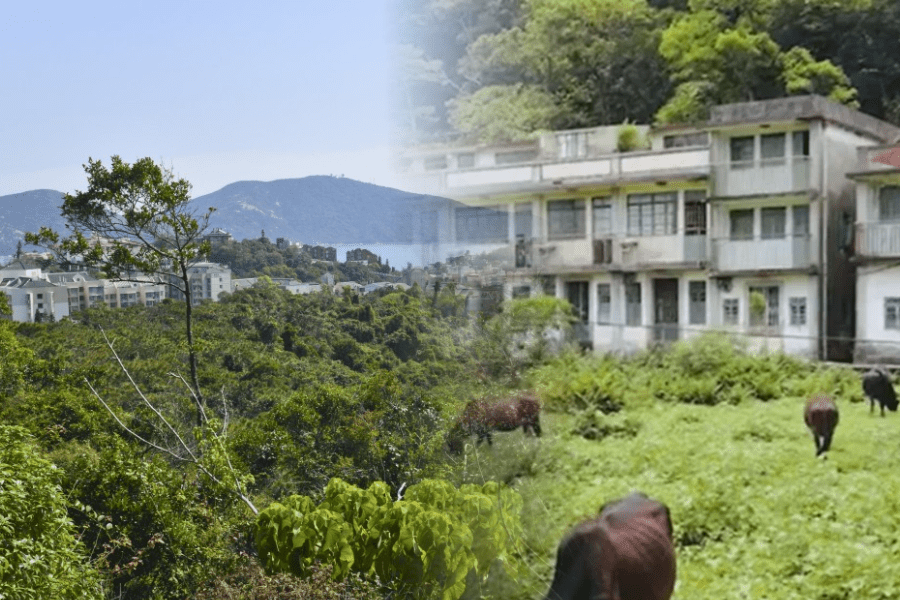
Regarding older village houses built before 1961, Leung highlighted that the new guidelines also allow for flexible arrangements that adapt to local circumstances.
He pointed to the pilot project at Lai Chi Wo, where 11 traditional brick houses with wooden roofs were approved after the Hotel and Guesthouse Accommodation Authority agreed with applicants to apply fire-retardant coatings to the timber structures to meet fire safety requirements.
In a bid to offer diverse experiences in unique village houses, Leung expressed hope that the new guidelines would demonstrate the authority's willingness to adapt to local conditions while upholding fire safety standards
While the number of successful applicants remains unknown after the new guidelines, he was positive about the industry's reaction.
Call for one-stop application service
Considering many old village houses in the New Territories feature distinctive building structures, lawmaker Chan Hok-fung on the same programme welcomed the new guidelines' room to transform valuable cultural resources into tourism assets.
Addressing concerns that relaxed fire safety requirements could compromise safety, Chan argued that the fire risk in village houses is no different from ordinary village homes.
He added that village houses are typically three storeys high with about 700 square feet per floor, accommodating a limited number of guests, which makes the relaxation reasonable.
However, he urged the authorities to strengthen fire safety education, including collaborations with District Fire Safety Committees to promote fire safety knowledge among operators and tourists.
As for the guidelines' coverage of caravan and tent campsites, he expressed confidence that they could offer tourists greater assurance with clear definitions of land use and regulatory requirements.
He also suggested that the Home Affairs Department provide a one-stop application service to reduce the administrative burden on villagers, further accelerating tourism in rural areas.