
Read More
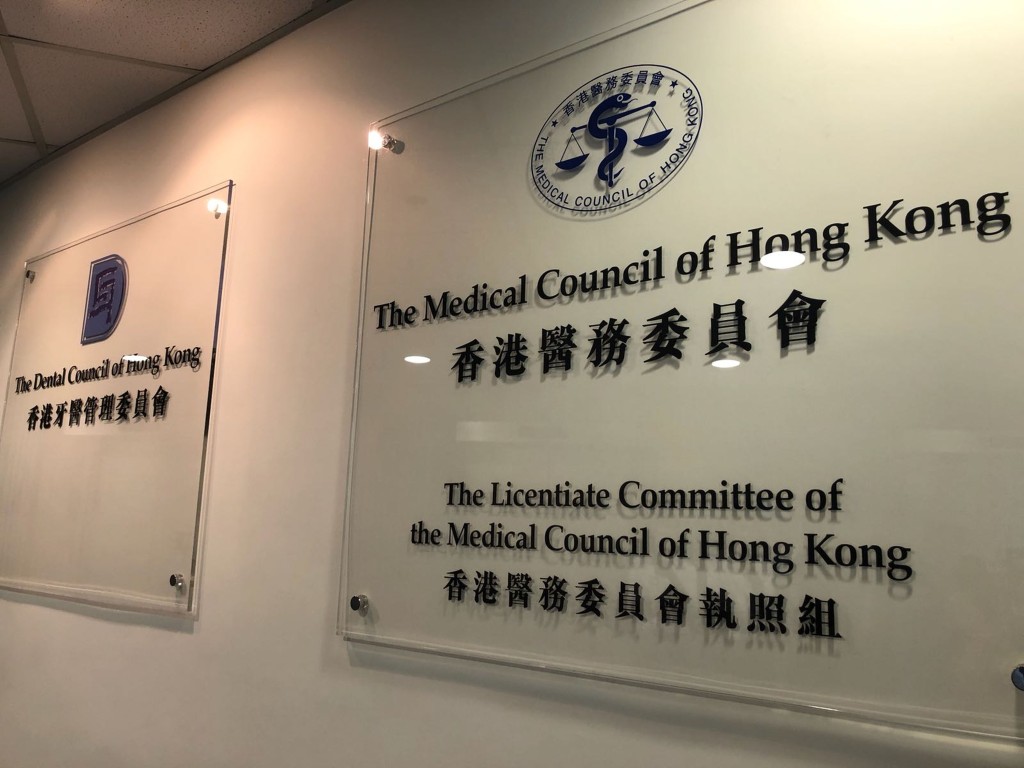
The Hong Kong government is set to propose a major overhaul of the Medical Council of Hong Kong, aiming to significantly streamline the watchdog's lengthy complaint-handling process and bolster patient protection by introducing automatic lifelong bans for doctors convicted of severe crimes, according to sources.
ADVERTISEMENT
SCROLL TO CONTINUE WITH CONTENT
Under the proposed amendments to the Medical Registration Ordinance, the Medical Council will expand its membership from 32 to 35.
This expansion will see a boost in lay representation, increasing non-medical members from 25 percent to approximately 31 percent.
This new cohort of lay members is expected to include healthcare professionals from outside the medical doctor field, such as occupational therapists, physiotherapists, and nurses.
The composition of doctor representatives on the council is also slated for a restructure, which will alter the current balance of elected members.
A key pillar of the reform focuses on accelerating how patient grievances are investigated and resolved.
The government plans to establish two specialized bodies—a Medical Investigation Unit and a Medical Tribunal—to split the duties of investigation and formal inquiry, potentially replacing the existing Preliminary Investigation Committee and Inquiry Panels.
To support this new structure, the pool of independent adjudicators will double from 140 to 280, with a proportional increase in both medical professionals and lay assessors.
Furthermore, the legislative updates aim to strengthen patient safety by establishing a strict mechanism for handling practitioners convicted of serious criminal offenses. The authorities intend to draft a specific schedule of grave crimes.
Doctors convicted of the most egregious offenses, including national security violations, rape, and murder, will face immediate and permanent disqualification from the medical profession.
For relatively less severe offenses, doctors may have their licenses suspended and be barred from applying for reinstatement for a designated period.
Government sources indicate that the reform package seeks to enhance the regulatory body's transparency and modernize its operations, while still preserving the professional autonomy of the Medical Council.