Read More


Morning Recap - September 16, 2026
56 mins ago

Night Recap - September 15, 2026
10 hours ago

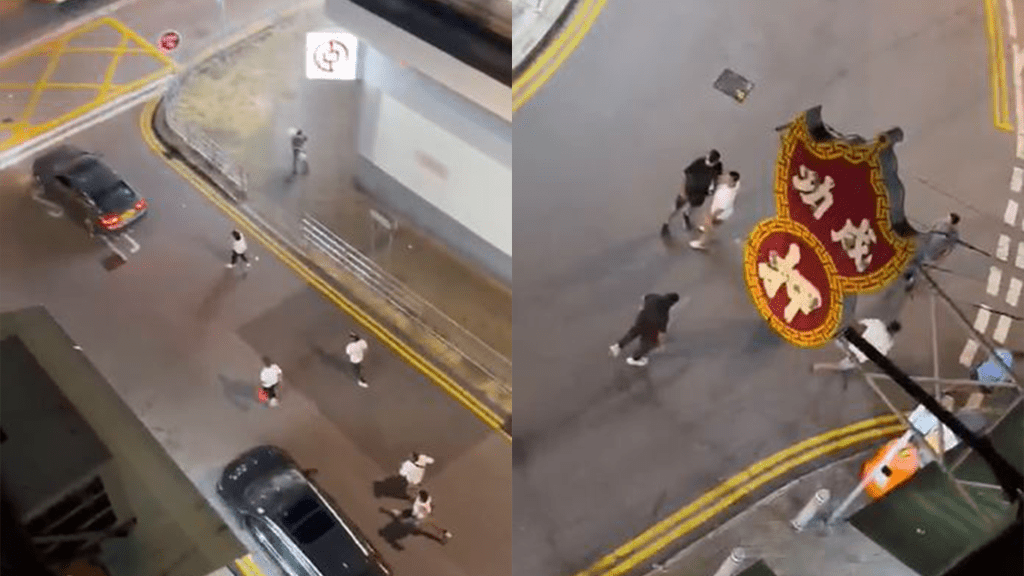
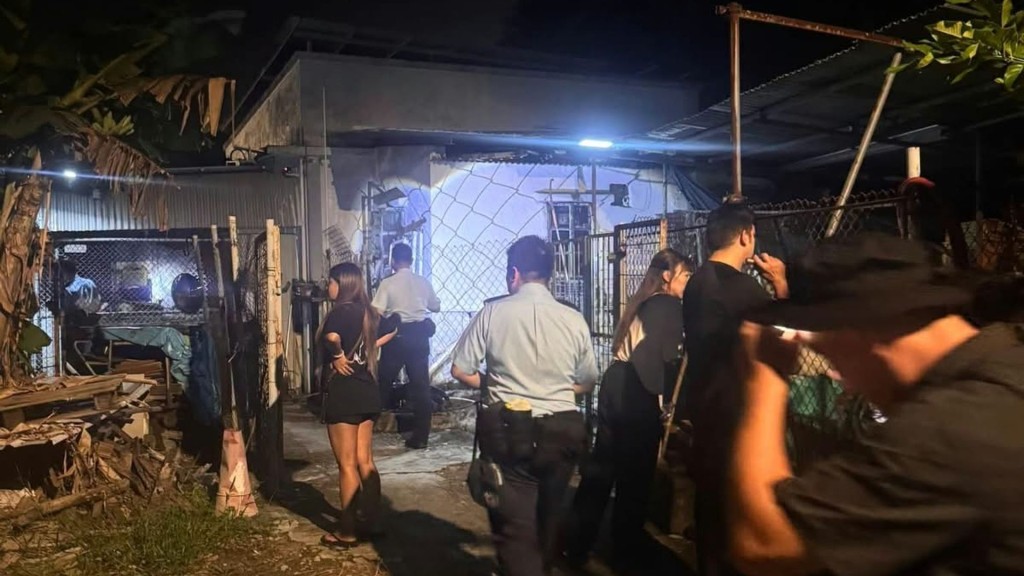
Seven arrested over Kwai Chung illegal gathering
14-09-2026 12:33 HKT


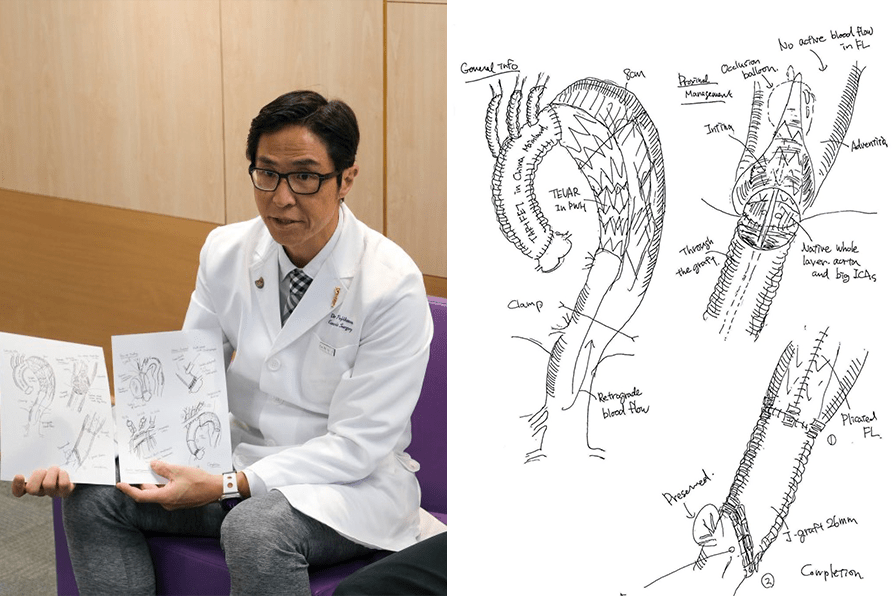
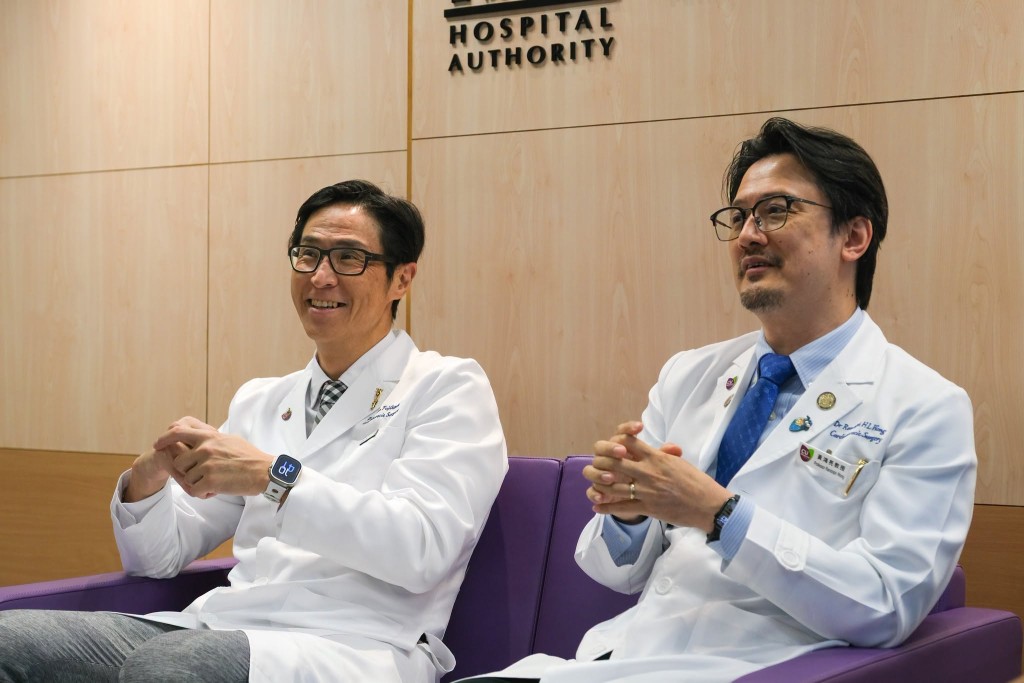
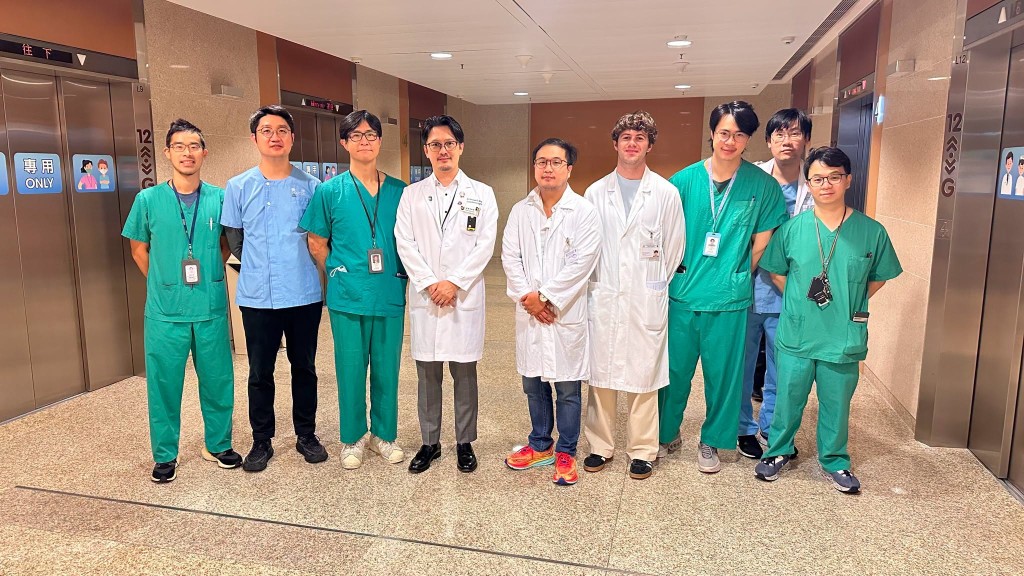
For nearly a decade, Japanese cardiothoracic surgeon Fujikawa Takuya has been making a difference at Prince of Wales Hospital, not only by performing complex aortic surgeries but also by using hand-drawn illustrations to help patients understand procedures that could save their lives.
According to the Hospital Authority, Fujikawa first came to Hong Kong in 2015 to attend an international medical conference, where he met Professor Randolph Wong Hung-leung, now chief of service of cardiothoracic surgery at the New Territories East Cluster.
The meeting would ultimately change the course of his career.
At the time, Fujikawa had planned to continue his training in Belgium. However, Wong's department was facing a staffing shortage and invited him to join the team in Hong Kong instead.
Fujikawa arrived as a visiting scholar at the Chinese University of Hong Kong in 2017 and formally joined the Hospital Authority through the Non-Locally Trained Doctor (NLTD) pathway a year later.
Reflecting on the decision, he said: "Going to Europe was for myself. Coming to Hong Kong was to support my friend and help more patients."
The move also brought specialized expertise that was in short supply locally.
Wong said Fujikawa's background in Japan had equipped him with extensive experience in open thoracoabdominal aortic surgery, helping to fill a gap in Hong Kong's cardiothoracic services.
Since joining the Prince of Wales Hospital team, he has assisted in more than 90 such operations, treating patients with life-threatening conditions including aortic aneurysms and aortic dissections.
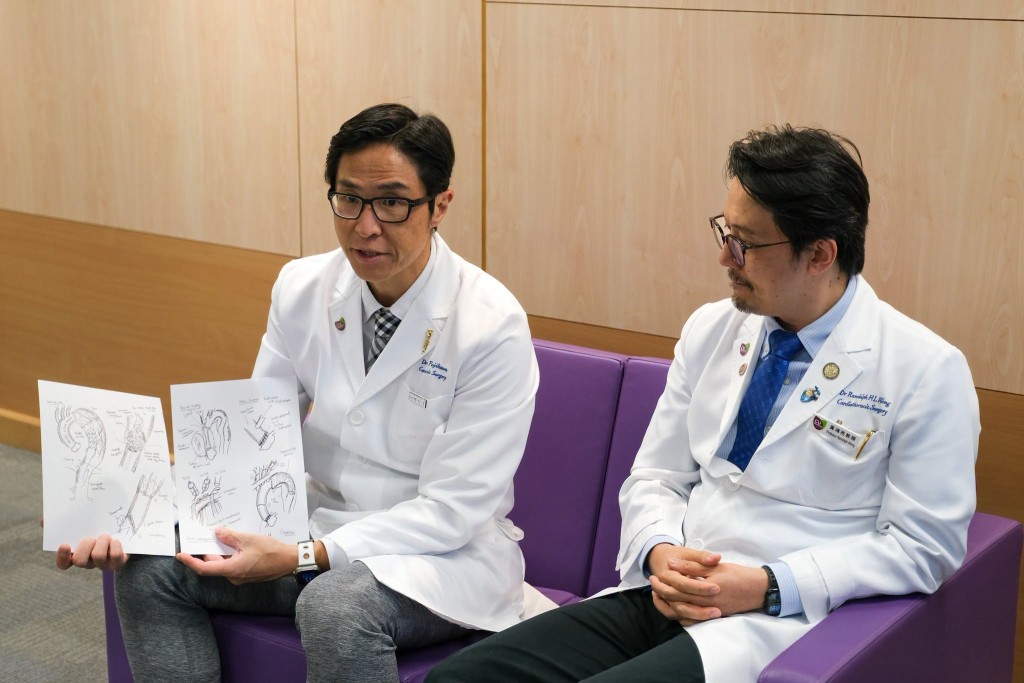
Beyond the operating room, Fujikawa has become known among colleagues for his habit of sketching.
Before complex procedures, he often draws detailed diagrams by hand to explain each step of a surgery to medical staff. The illustrations have also proven valuable when communicating with patients.
Unable to speak Cantonese fluently, Fujikawa uses the drawings during consultations while colleagues translate his explanations into Cantonese. The visual approach, he said, allows patients to better understand their conditions and feel more reassured before surgery.
Sharing his knowledge with local healthcare professionals has been one of the most rewarding aspects of his work in Hong Kong, he added.
Wong described Fujikawa as both a close friend and a valued colleague, saying his arrival had strengthened the team's capabilities while boosting morale.
He also praised the NLTD pathway for bringing much-needed expertise into Hong Kong's public health care system.
"The scheme helps introduce specialist skills that may be lacking locally and enables more patients to receive appropriate treatment," Wong said.
For overseas doctors considering a move to Hong Kong, Fujikawa has a simple message.
He described the city's public health care system as an excellent platform for clinical practice and research, adding that communication with colleagues is generally smooth thanks to the widespread use of English in the medical profession.
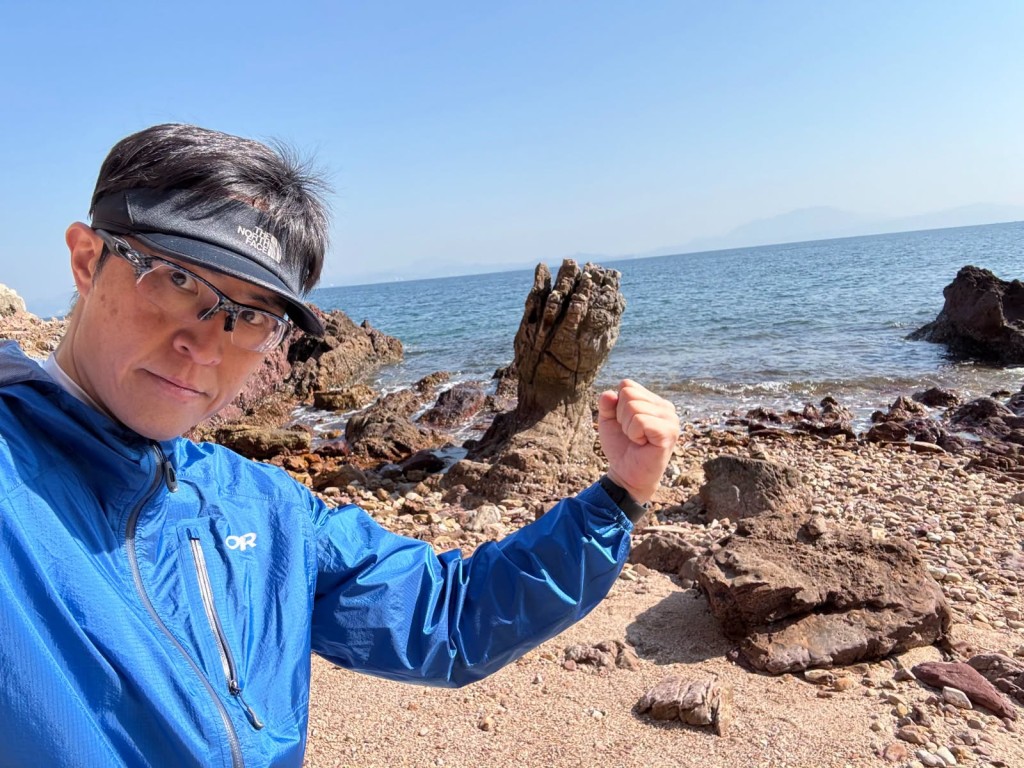
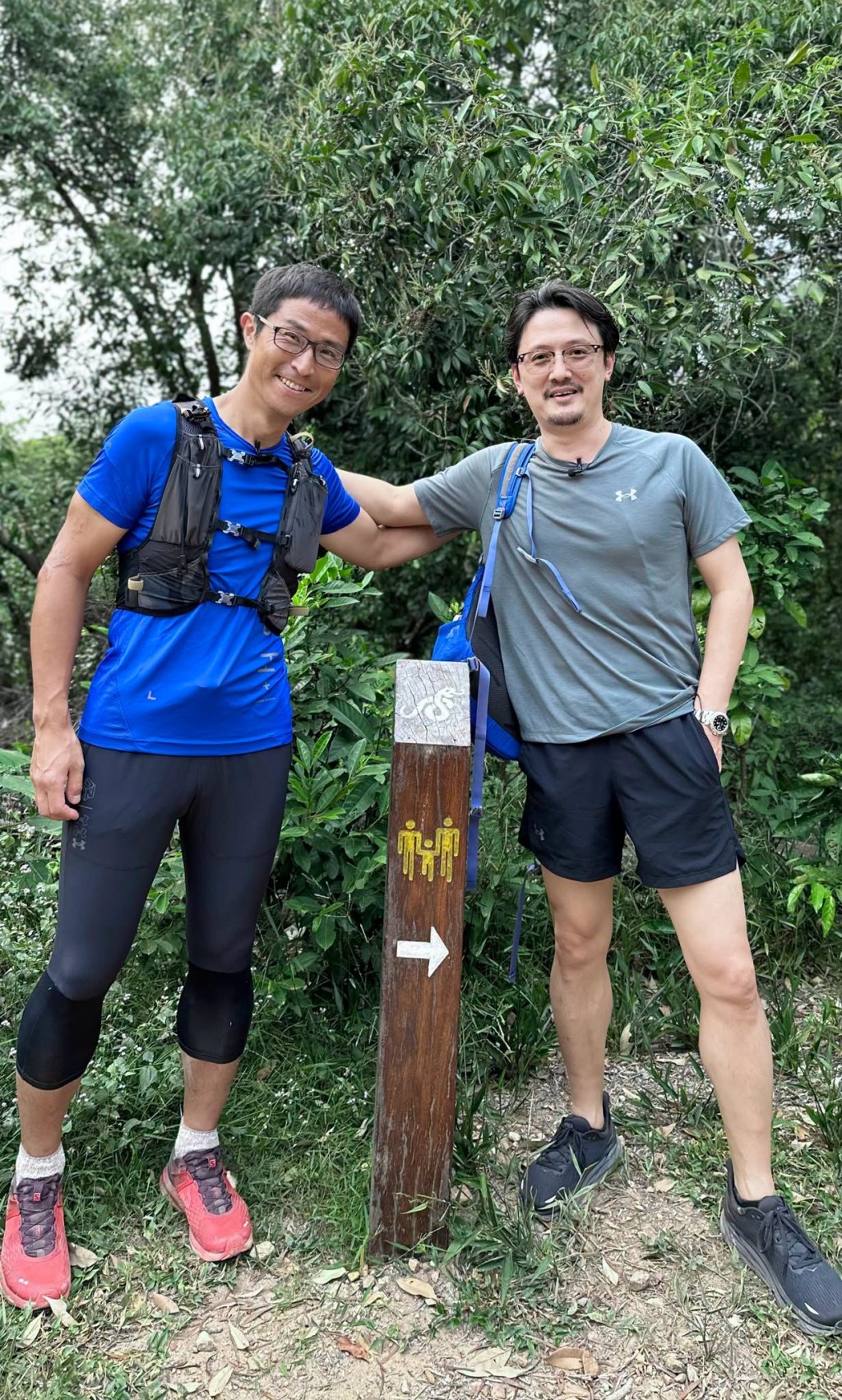
Outside the hospital, Fujikawa enjoys discovering Hong Kong through its hiking trails, often spending his days off exploring different routes across the city.