






Read More





Night Recap - August 14, 2026
16 hours ago


Nine days of persistent rain expected as Amber rainstorm warning lifted
14-08-2026 11:40 HKT



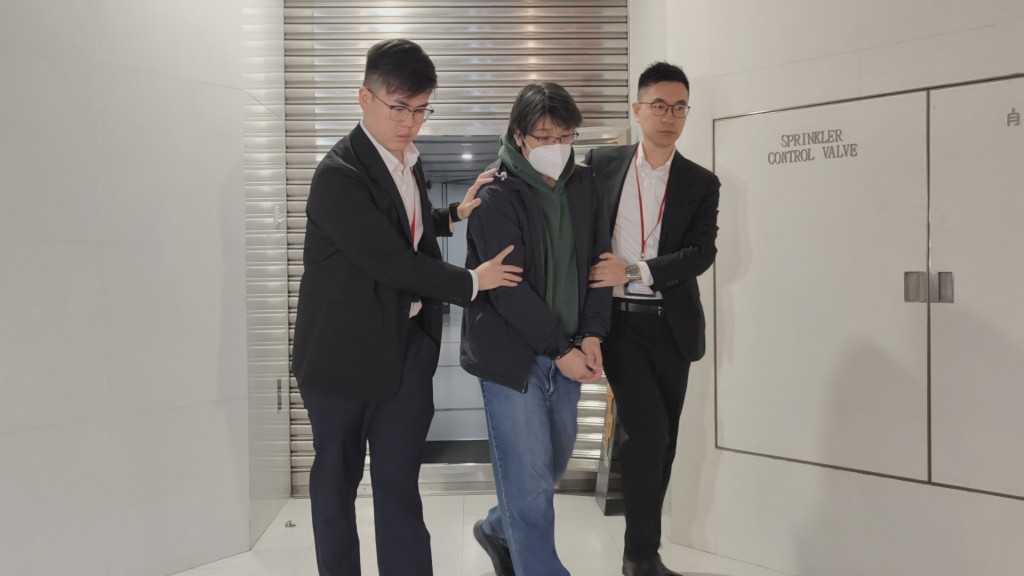
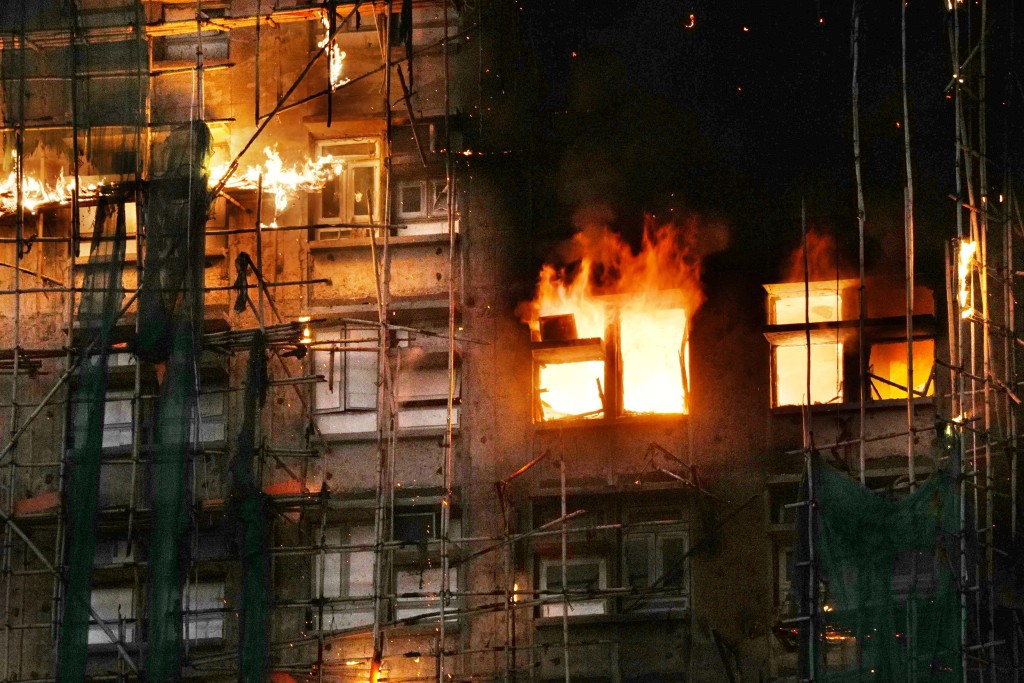


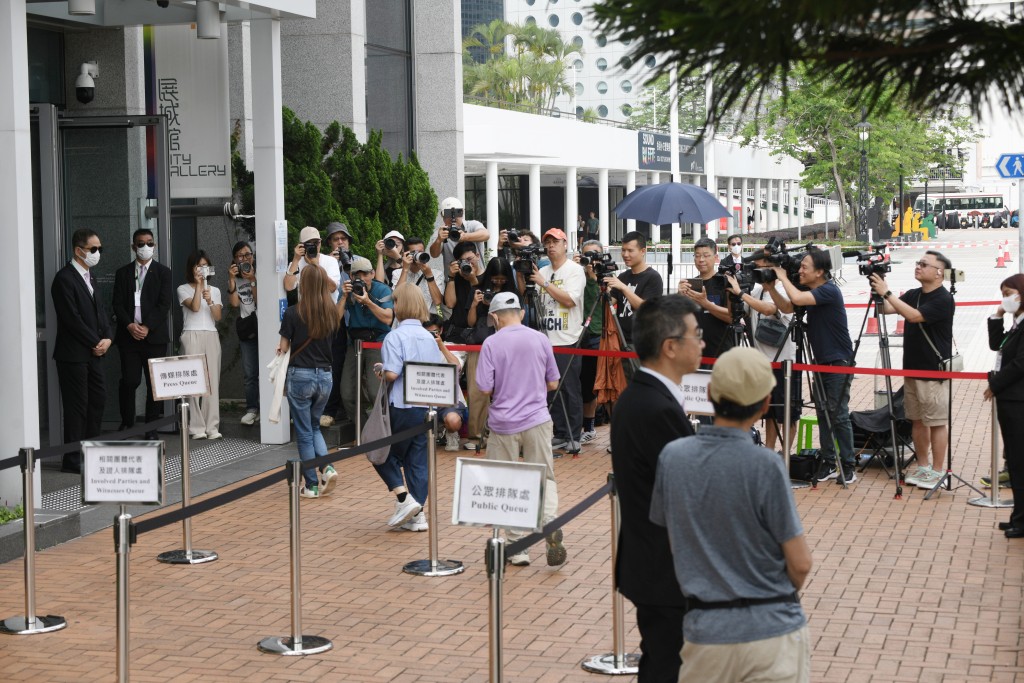
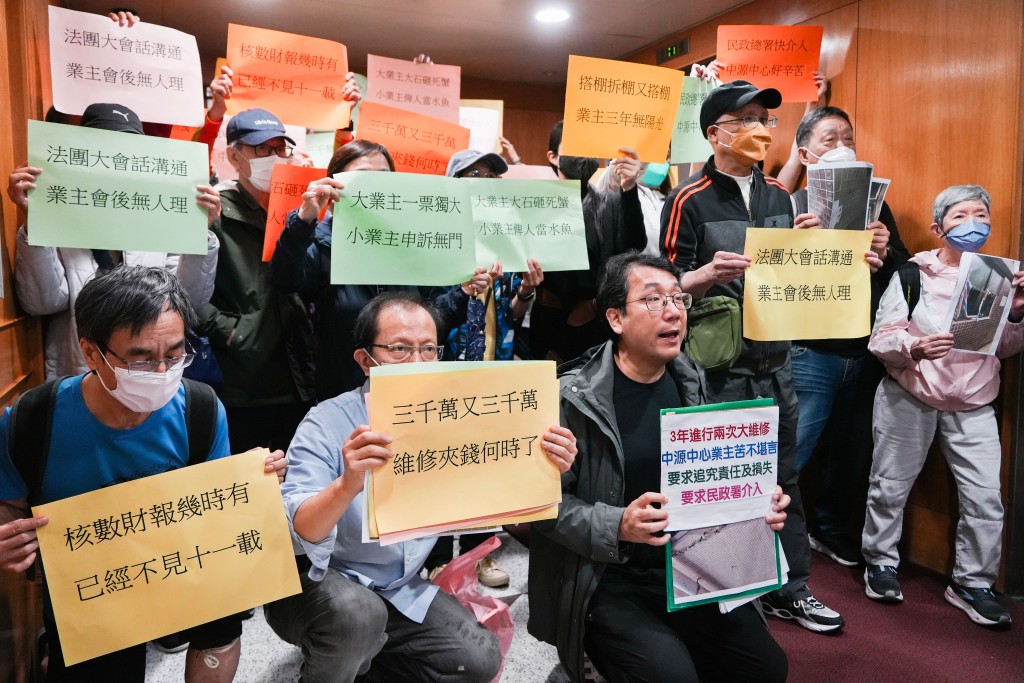
A catastrophic fire that claimed 168 lives at Wang Fuk Court has exposed a massive scandal of alleged corruption, fraud, and gross negligence tied to the building's major renovation project. The blaze, which has become one of Hong Kong's deadliest disasters, prompted the formation of a large-scale joint task force between the police and the Independent Commission Against Corruption (ICAC).
Prosecutors have since brought a total of 25 charges against seven people and two companies, including manslaughter, conspiracy to defraud, money laundering, and attempting to pervert the course of justice.
The deep-seated structural defects, regulatory loopholes, and rampant bid-rigging within major repair projects have been fully exposed. The Competition Commission is mulling to expedite the criminalization of bid-rigging, determined to uproot systemic collusion and dismantle entrenched groups that have long plagued the industry.
A recent court hearing, adjourned until September, outlined shocking details of extreme malpractice and fraud during the building's major renovation works.
Hearings have traced the fire's origin to a series of catastrophic failures that compromised the building's safety systems.
These included unnecessary work on the fire-fighting water tank, which led to the main fire services inlet being shut off, and the removal of windows from fire escape stairwells to create temporary openings for workers.
These actions allowed the fire to spread with terrifying speed while cutting off vital escape routes for residents.
The investigation has uncovered alleged systemic corruption centered on the main contractor, Prestige Construction & Engineering Co. Limited., and the engineering consultant, Will Power Architects Company Limited Court documents describe a highly organized scheme of fraud.
Will Power's director, Wong Hap-yin, is accused of conspiring with a registered inspector and others to defraud the Buildings Department and the Housing Bureau by falsely certifying that mandatory inspections had been performed on 86 projects across Hong Kong, including Wang Fuk Court.
Furthermore, the ICAC alleges that Wong, his wife, and a staff member laundered over HK$40 million in suspected proceeds from bid-rigging and other corrupt activities, while also engaging in large-scale tax evasion.
During the bidding for the Wang Fuk Court renovation, valued at over HK$300 million, Wong and his associates allegedly deceived the owners' corporation by concealing Wang Yip's poor litigation history to secure the contract.
Testimony from an independent inquiry consistently identified severe negligence by both Prestige and Will Power as the primary cause of the disaster. The fact that the fire safety contractor involved in the case was accused of serving as a mere "rubber stamp" during the inspection and amplifying fatal safety hazards by failing to act on glaring risks.
The court heard that an unnecessary HK$6.16 million project to tile the fire water tank was initiated, after which two unlicensed technicians were instructed to drain the tank and mistakenly shut down the entire building's fire system, disabling the alarms and sprinklers.
Expert engineers testified that the tiling work was pointless and likely a pretext to inflate maintenance costs.
The on-site management was also plagued by severe violations. Prestige allegedly ignored repeated complaints of workers smoking, allowed flammable debris to pile up on scaffolding, illegally used large quantities of non-fire-retardant safety nets and canvases, and covered the windows, courtyard, and scaffolding with flammable foam boards, essentially paving a "road to death." For convenience, Prestige even created unauthorized temporary "exits" along the fire escape routes, endangering the building’s occupants.
Crucially, the firm cut openings into the fire escape stairwells for construction access, which created a "chimney effect" during the blaze. This funneled toxic smoke and flames directly into the residents' escape path, leading to the immense loss of life.
In response to this tragedy, which has exposed deep-rooted problems in the city's building maintenance industry, the government is moving to implement urgent reforms.
The Competition Commission has announced plans to fast-track amendments to the Competition Ordinance that would criminalize bid-rigging. The proposed changes, which may include prison sentences of up to seven years, aim to dismantle the criminal syndicates that have long plagued the renovation market.
It is considering an upgrade to the current Non-collusion Clauses, proposing a statutory declaration system that would impose criminal liability for false declarations by bidders. The Commission aims to present its proposed amendments in September of this year at the earliest and to submit the amendments to the Legislative Council within this legislative year.