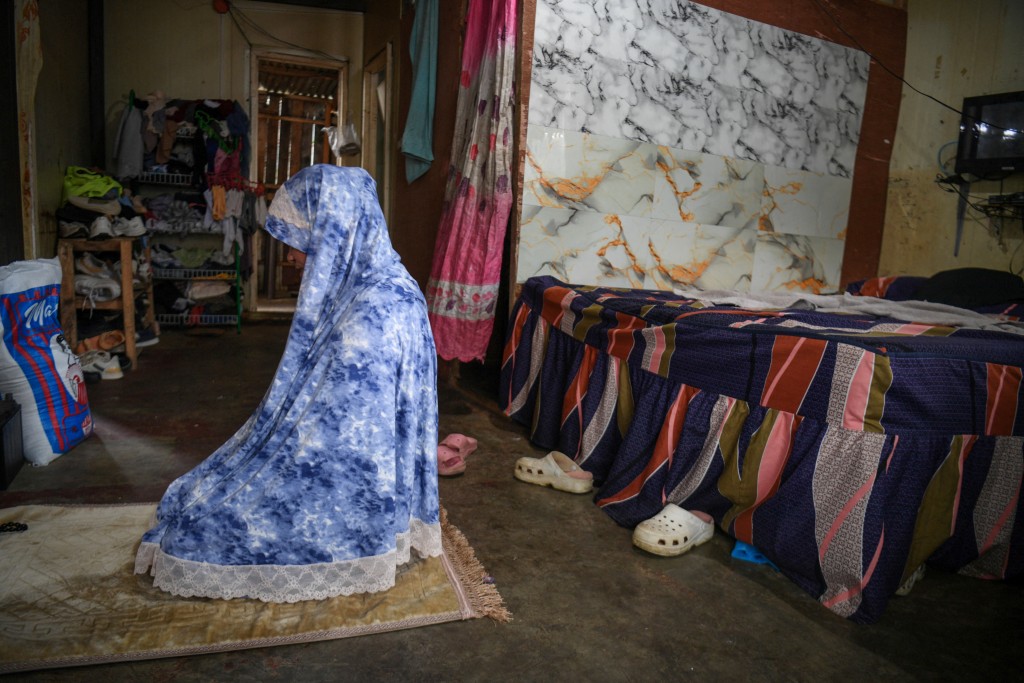
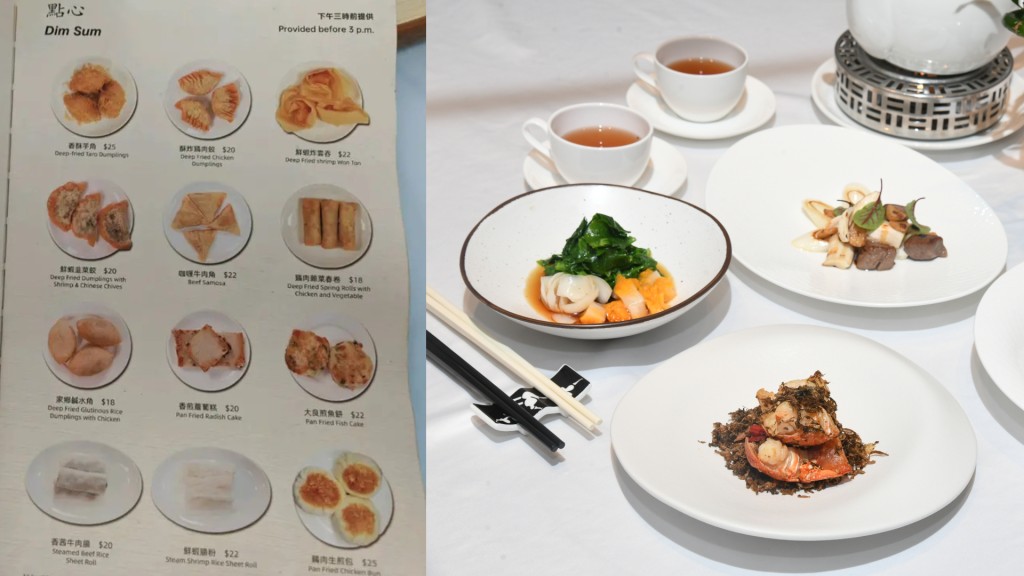
With Hong Kong gaining ground as a leading Muslim-friendly destination, the Chief Executive's policy unit (CEPU) is looking to move beyond halal dining and offer a full travel experience for Muslim visitors.
This follows the city's latest climb to the top three in the non-OIC category of the 2025 Global Muslim Travel Index (GMTI) by Crescent Rating, where it was also named "Most Promising Muslim-Friendly Tourism Destination of the Year."
Hong Kong was also ranked first in the new category “Muslim-friendly Accessible Travel Destination (non-OIC)” and second in “Muslim Women Friendly Travel Destination (non-OIC).”
The achievement serves as timely recognition as the global Muslim travel market rapidly expands, with Muslim travelers expected to reach 230 million and generate over US$225 billion (about HK$1.7 trillion) by 2028.
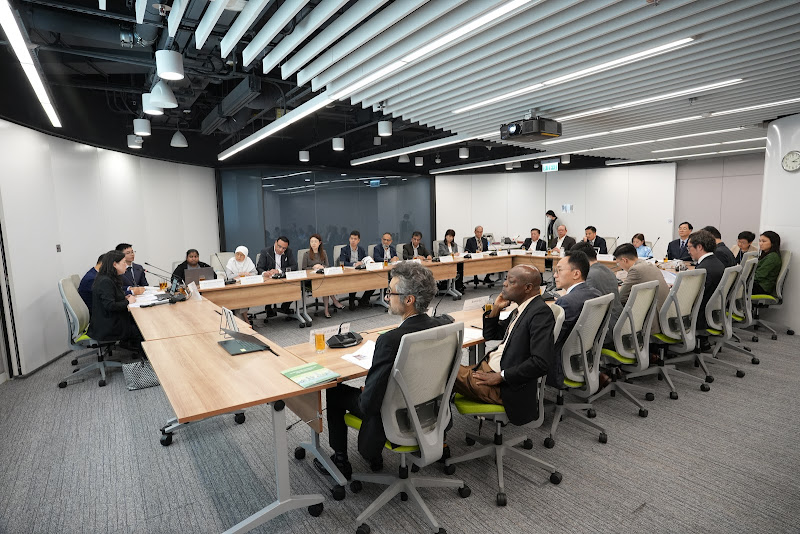
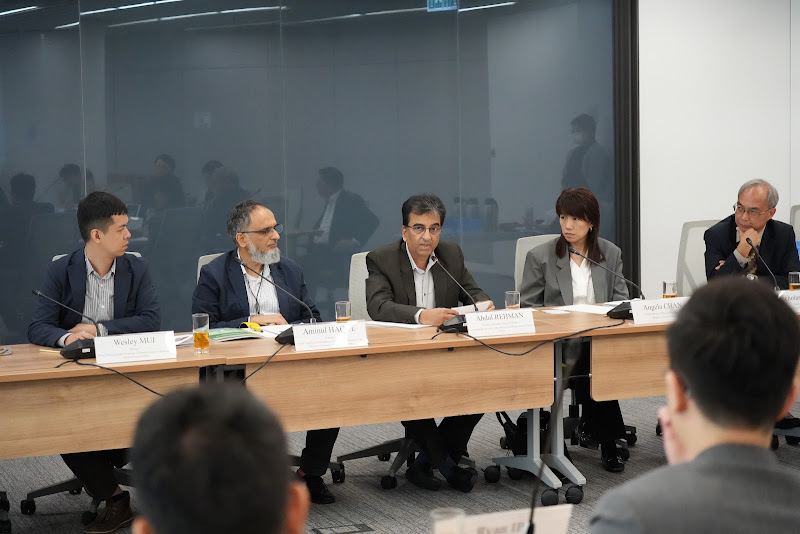
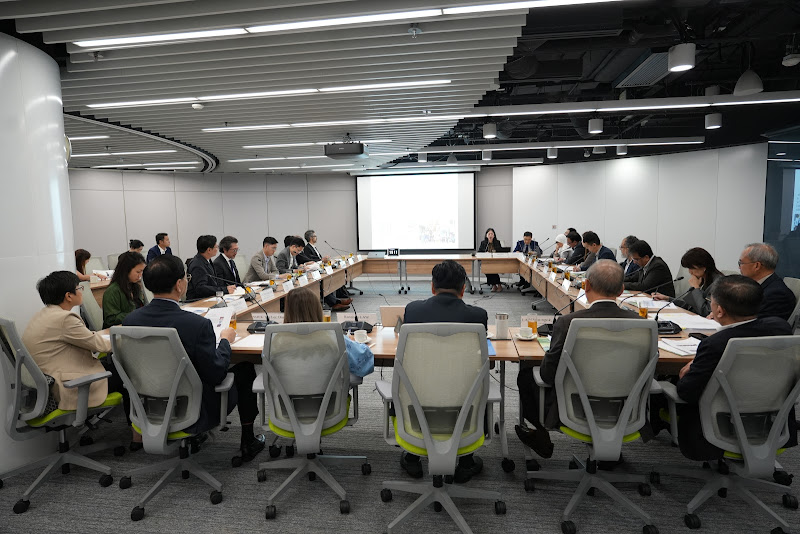
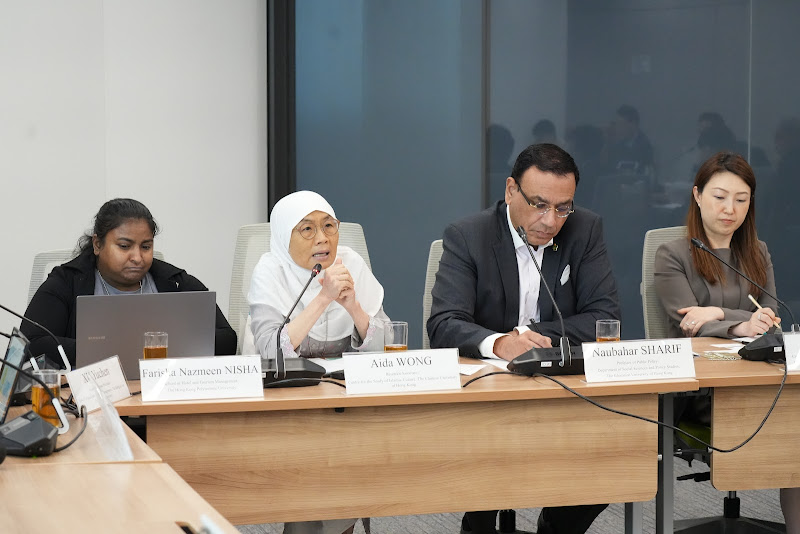
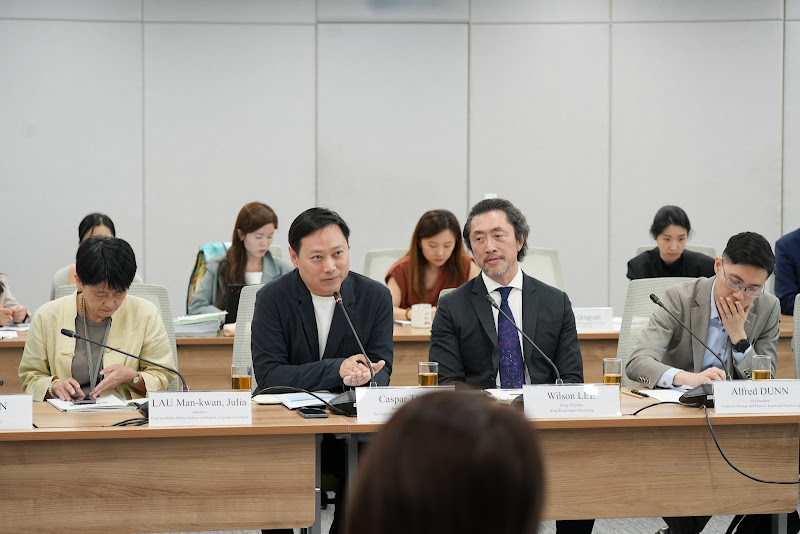
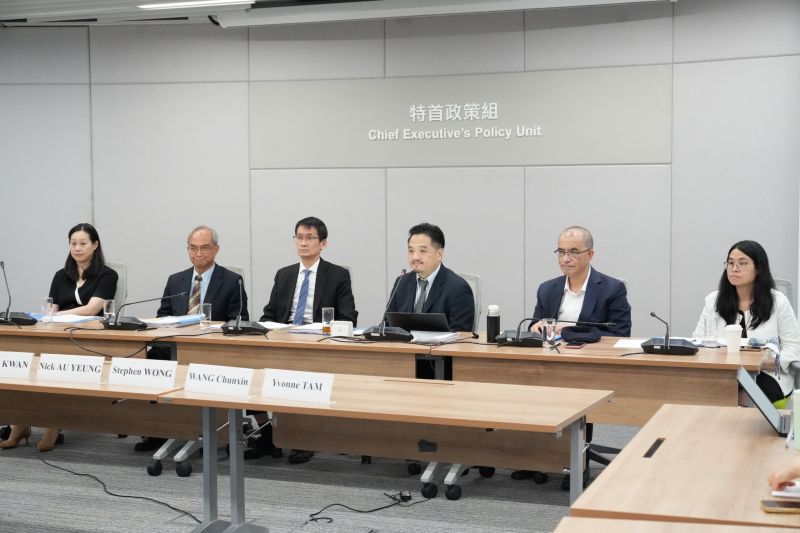
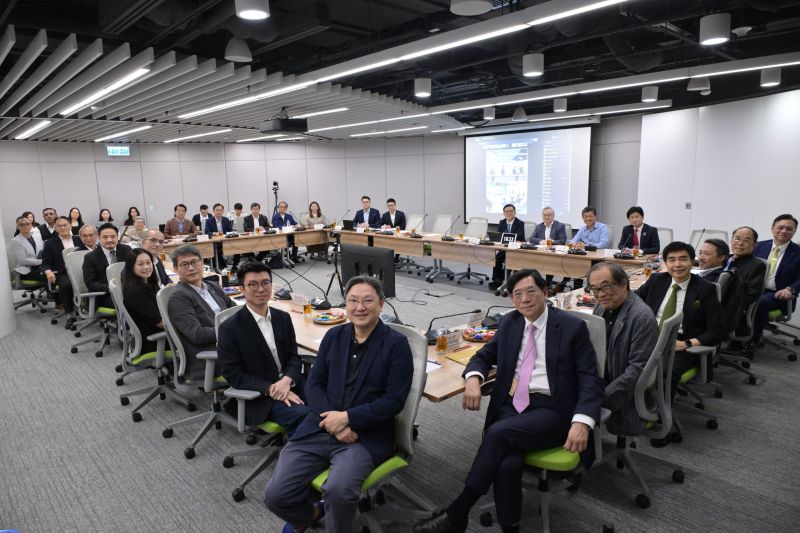
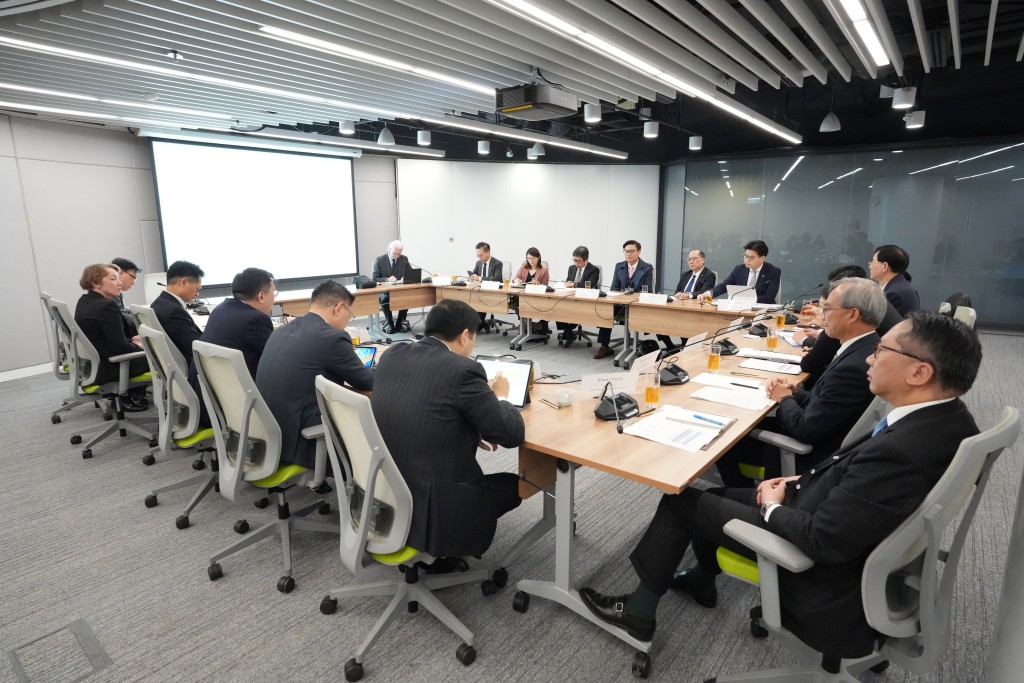
In response, the policy unit recently held an internal seminar to seek feedback on a current government-funded study exploring the city's halal tourism appeal.
Led by Catherine Cheung, associate dean of the School of Hotel and Tourism Management at Hong Kong Polytechnic University, the study aims to understand tourists' actual expectations before making policy recommendations for the city's Halal services.
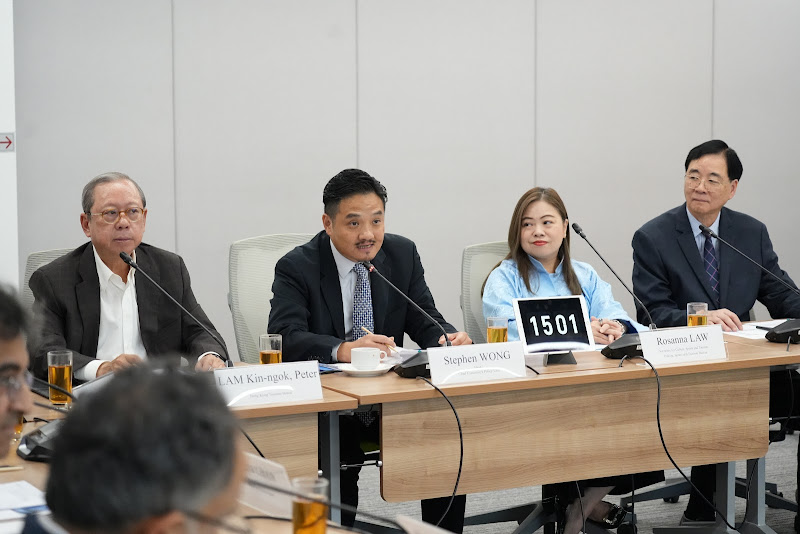
The meeting brought together prominent attendees, including Secretary for Culture, Sports and Tourism Rosanna Law Shuk-pui, Hong Kong Tourism Board Chairman Peter Lam Kin-ngok, along with other government and industry representatives, academics, and Islamic community figures.
The group explored key factors influencing Muslim travelers' trust, satisfaction, and loyalty toward a destination, with in-depth interviews and surveys currently underway.
During the discussion, some suggested segmented strategies for diverse Muslim travelers, such as targeting Gulf countries for higher spending power and Southeast Asia for higher tourist volume
Meanwhile, others advised integrating Muslim-friendly elements into the city's high-end hotels, shopping, and mega events to offer iconic lifestyles and experiences, while also leveraging the city's safe image to communicate more effectively with target audiences.
Highlighting that the Policy Research Funding Scheme aims to connect academic research with policy practice, Stephen Wong Yuen-shan, head of the CEPU, noted the seminar allowed stakeholders to provide practical input at an early stage, enhancing the study's relevance.
He further expressed hopes for the research in providing a solid evidence base for policy discussions among the government, industry, and community.