
Read More
Lawmakers have called for a mandatory 24-hour incident reporting mechanism and tougher penalties for licensed fertility clinics following a mix-up involving embryo biopsy specimens at a private center.
ADVERTISEMENT
SCROLL TO CONTINUE WITH CONTENT
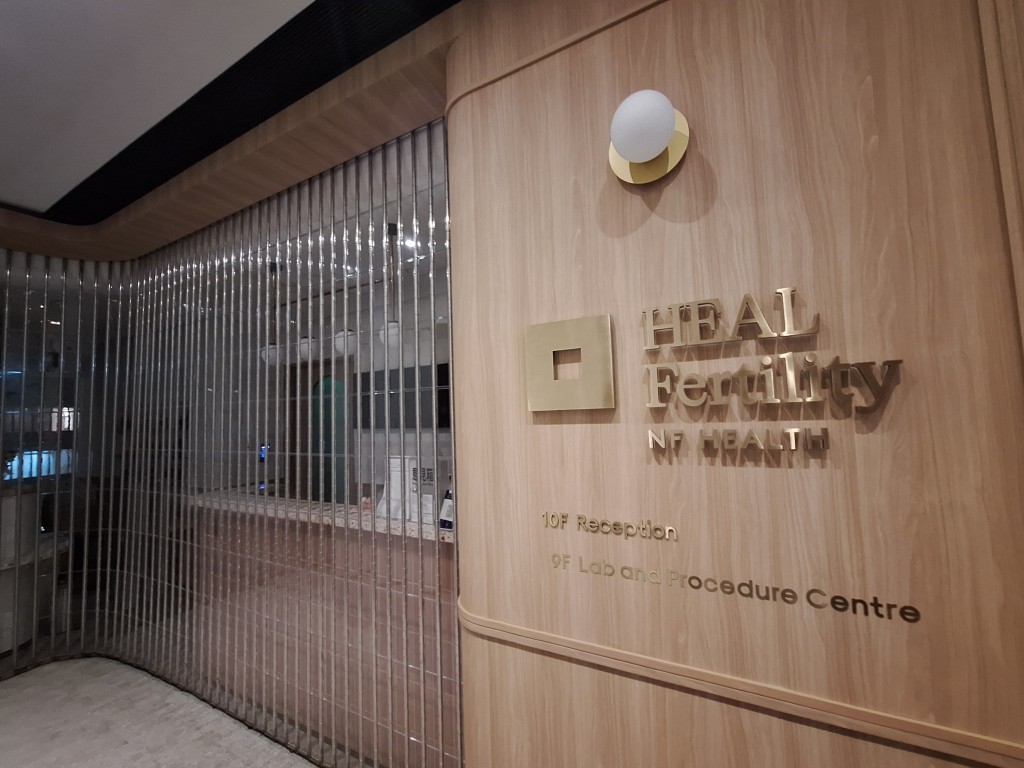
HEAL Fertility in Central was found to have sent embryo biopsy specimens to a Chinese University of Hong Kong laboratory for testing that included samples linked to the wrong parents. The error affected eight embryo biopsy samples from two women.
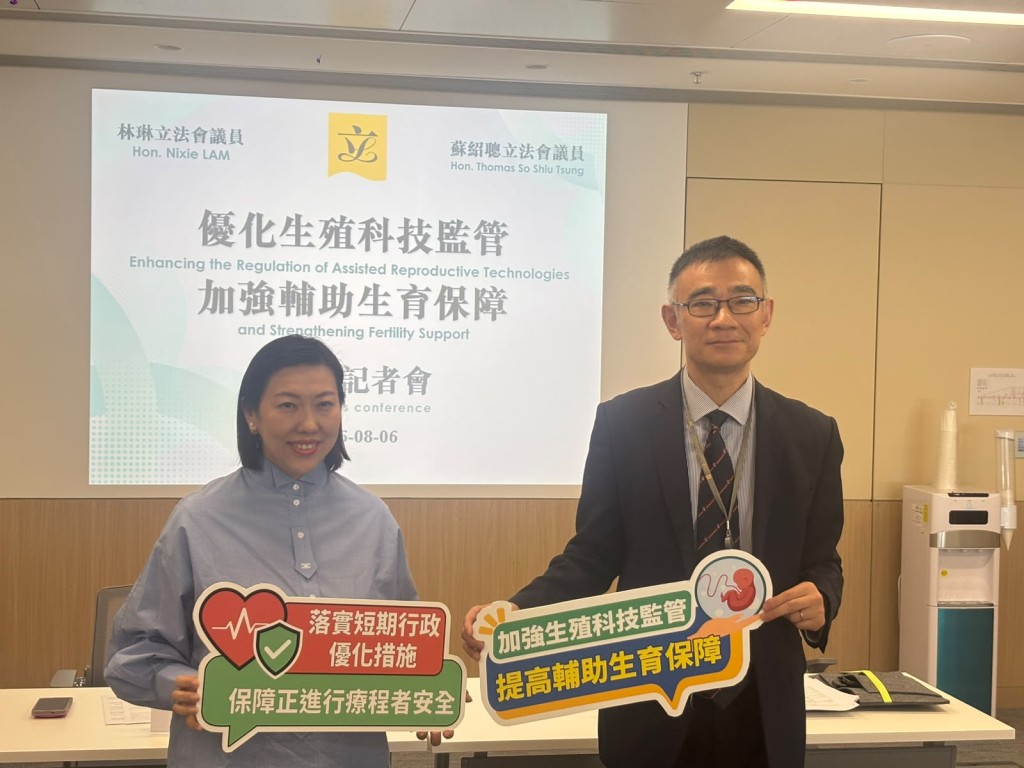
Speaking at a press conference on Thursday, lawmaker Nixie Lam Lam said that although the error occurred in May, the center did not report it to the Council on Human Reproductive Technology until June 17. The Council then took until July 3 to inform the Department of Health following its investigation.
Lam called for amendments to existing legislation to close regulatory loopholes. She also proposed a code of practice requiring two-person verification and written records at every stage of the process, including sample collection, sealing, transportation and receipt.
She urged the government to introduce a statutory mechanism requiring licensed centers to notify both the council and the Department of Health simultaneously within 24 hours of any major incident.
Such a mechanism would allow regulators to intervene promptly, contact affected patients and limit the impact of any errors, she said.
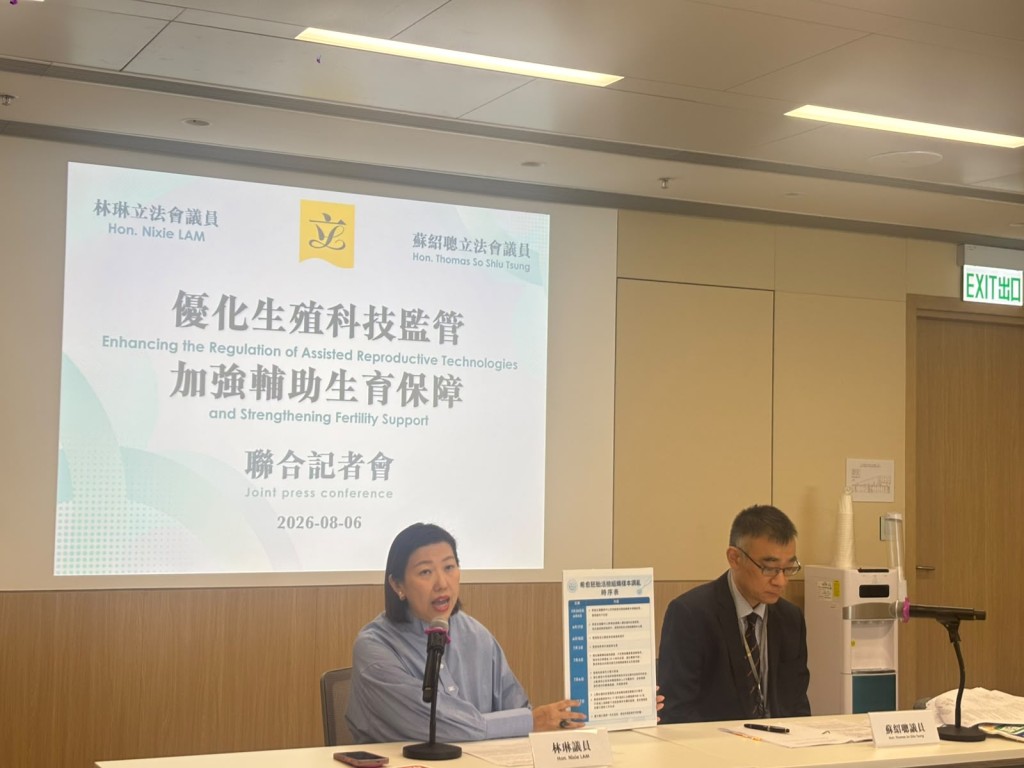
Lam added that the existing code of practice did not impose a legally binding reporting deadline. She urged the authorities to clearly define the circumstances under which a center’s license could be revoked.
She also called on HEAL Fertility to proactively contact former patients and arrange appropriate follow-up measures.
Lawmaker Thomas So Shiu-tsung said the Human Reproductive Technology Ordinance lacked clear emergency guidelines and incident reporting procedures.
He said the council and the Department of Health followed inconsistent standards for incident reporting, emergency responses and follow-up inspections, leaving the two regulatory systems poorly coordinated and responsibilities unclear.
So said the incident had exposed gray areas in the regulatory process, including whether the submission of samples for testing and the identification of specimens should be regarded as part of a medical procedure.
As medical procedures are subject to stricter requirements, he proposed placing the entire process of handling embryos and related samples under a detailed regulatory framework.
He also called for a clear definition of a “serious incident” to prevent reporting delays caused by uncertainty over responsibilities.