Hong Kong should make its restaurants more Muslim-friendly, not only by obtaining halal certification, but also by clearly listing food ingredients and offering customizations, an Arab scholar in Hong Kong told The Standard.
This comes as visitor arrivals from predominantly Muslim markets, including the Gulf Cooperation Council countries, Indonesia, and Malaysia, surpassed 360,000 in the first five months of this year.
In response to this trend, the government has been encouraging various sectors to become a Muslim-friendly travel destination, including providing more halal culinary options.
Inside a Wan Chai mosque, halal versions of Hong Kong-style dim sum – including shrimp dumplings and siu mai – are served, while there is a cafe offering lard-free pineapple buns.
The city has over 190 restaurants certified by the Incorporated Trustees of the Islamic Community Fund of Hong Kong, which is working with the Hong Kong Tourism Board to expand halal certification.
However, Amjad Refai, director of Arabic program at the University of Hong Kong, who comes from Egypt, believes the city should promote clearer ingredient disclosure beyond increasing the number of halal-certified eateries.
He called on the authorities to strengthen hospitality overall, noting that in Middle Eastern cultures, hospitality is closely tied to genuine human interaction.
Amjad Refai
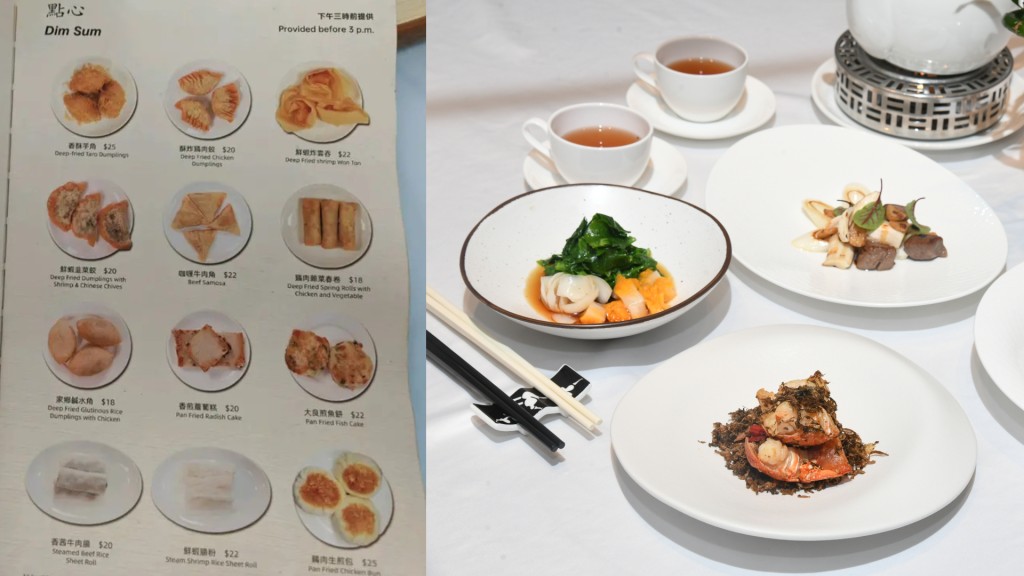
Sharing his own experience, Refai, an Arab Muslim and frequent customer at Chinese restaurants in the city, highlighted the lack of both clarity on food ingredients and cooperation from staff as some of the biggest challenges.
“Chinese kitchens, they add pork, lard, pork bones in the soup, and bake [with them] everywhere, and you cannot tell, and there’s no cooperation,” Refai said.
“You will ask the staff, if it [contains pork, they will] not even bother to go to the kitchen to ask, and nobody will reply to you, so the only thing is you order and then you see for yourself.”
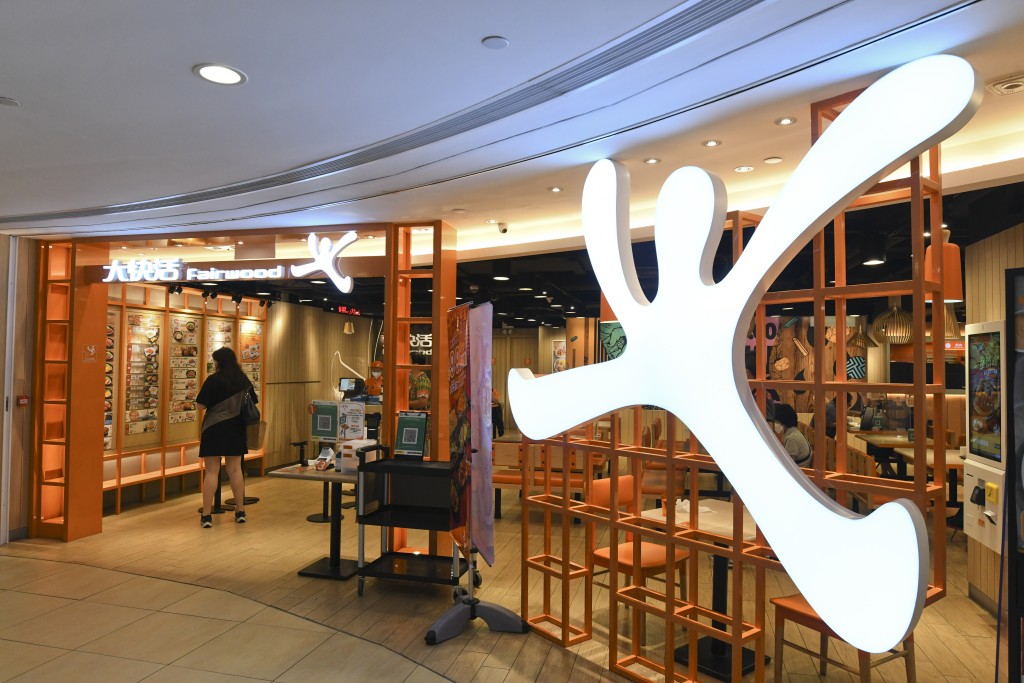
Simon Wong Ka-wo, president of the Hong Kong Federation of Restaurants and Related Trades, said it is generally difficult for traditional Chinese restaurants to obtain halal certification due to strict standards from storage and preparation to cooking, adding: “it would basically require two separate systems.”
Still, the veteran caterer agrees that ingredient disclosure on menus and other Muslim-friendly measures will make it more convenient for tourists.
Refai recommends that the government partner with Middle Eastern diplomatic missions, including Arab consulate representatives, to better formulate tourism strategies and improve industry training.
Hong Kong Tourism Association executive director Timothy Chui said that even if the industry currently has no such collaborations on cultural training, the priority at this stage is enhancing facilities such as prayer rooms and halal restaurants.
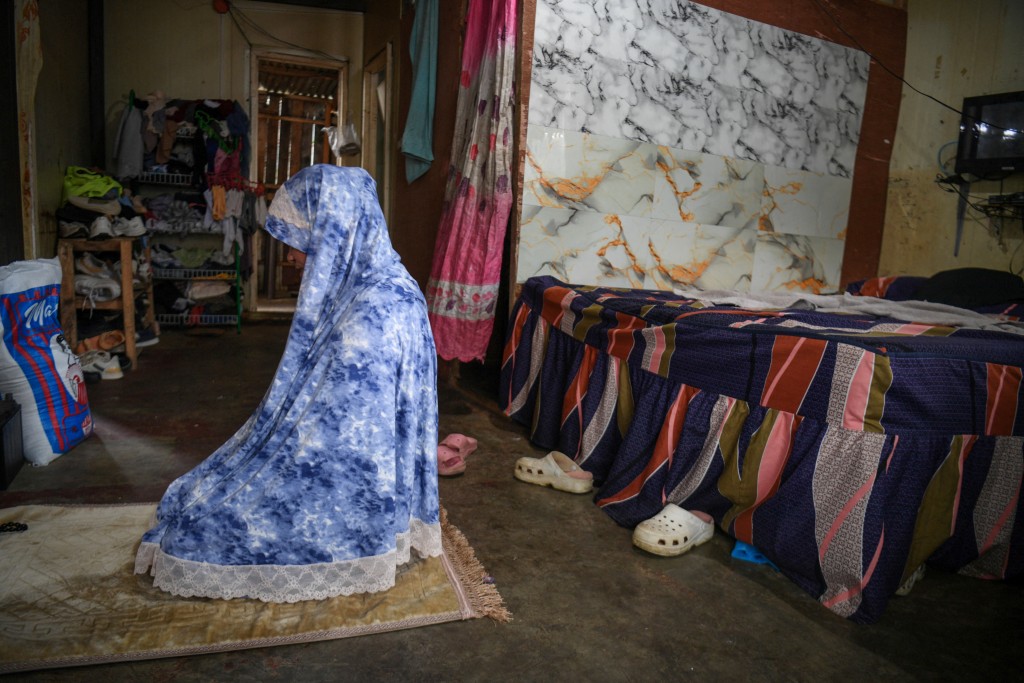
In late June, the HKTB introduced Tips for Welcoming Muslim Travellers, an online training resource which includes videos and infographics on Muslim customs, dietary rules, and religious practices.