Read More

Man found dead in river in Tin Shui Wai
38 mins ago



Morning Recap - September 23, 2026
6 hours ago
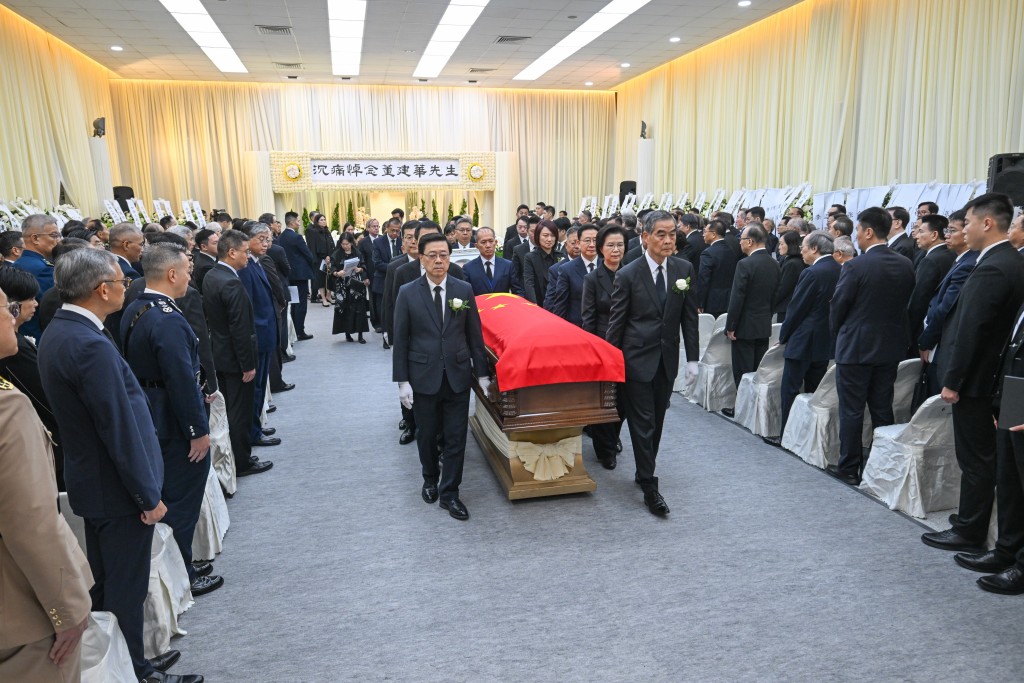
John Lee and CY Leung lead pallbearers for Tung Chee-hwa
20-09-2026 15:54 HKT


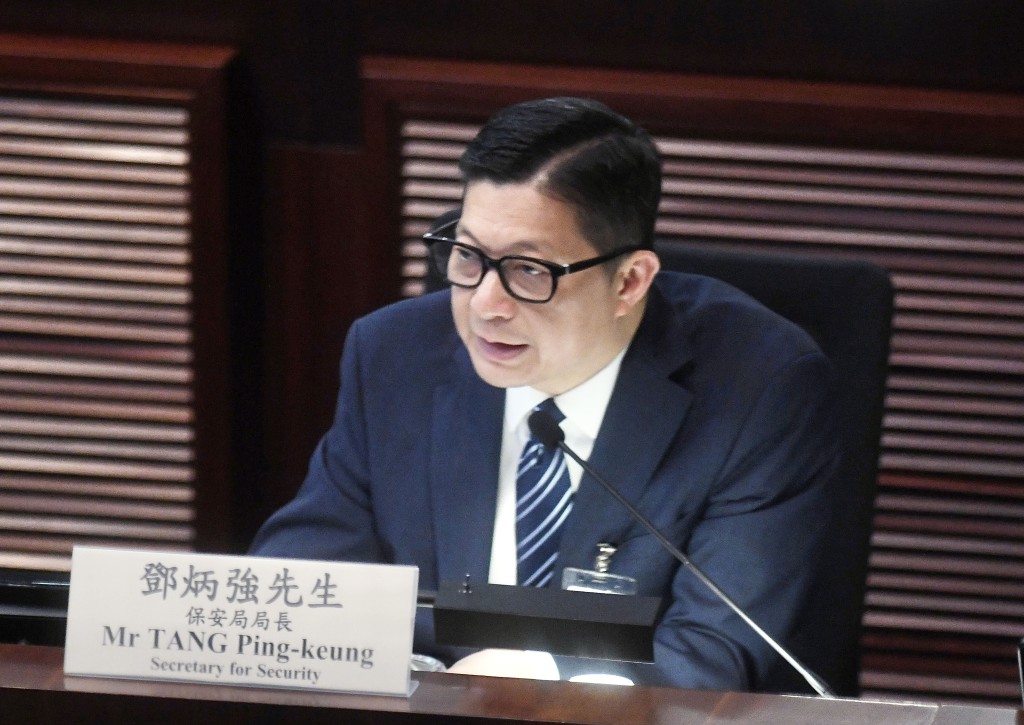
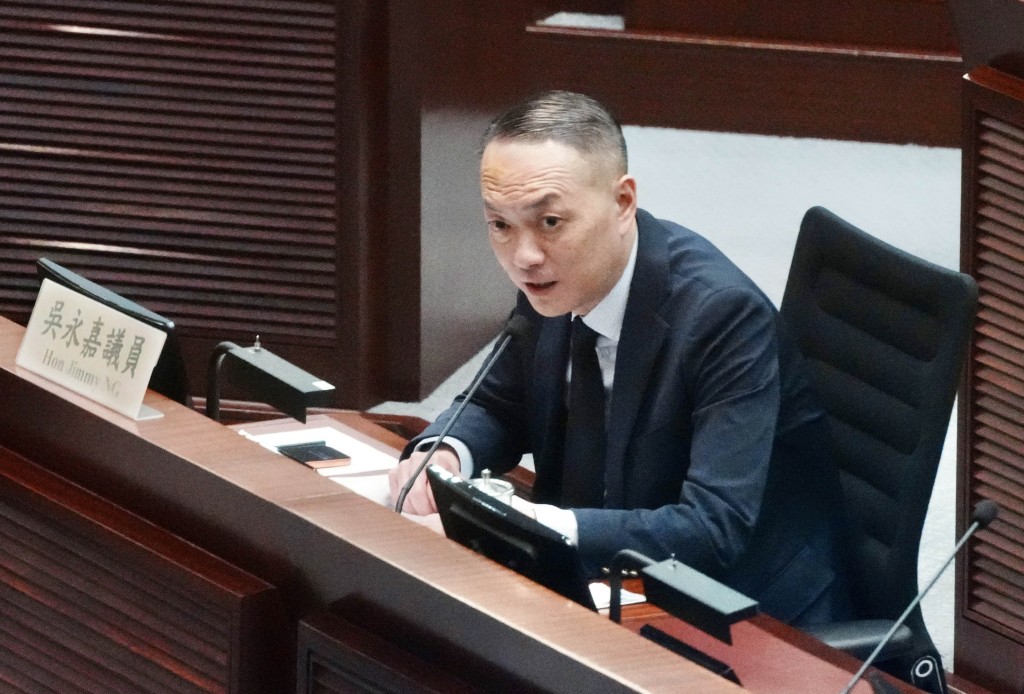
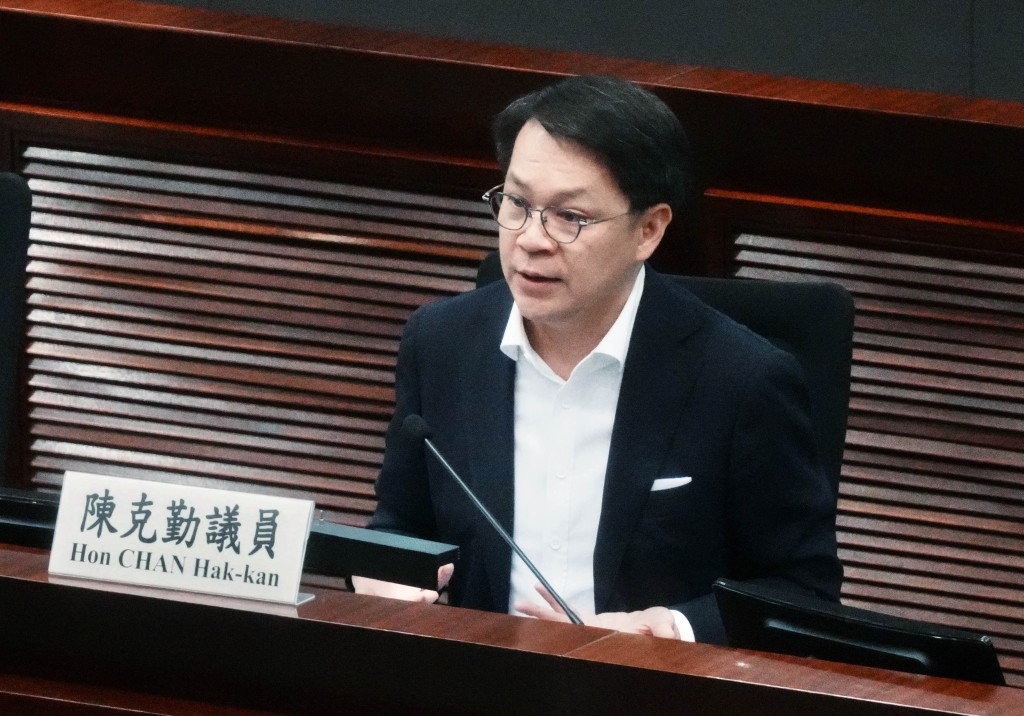
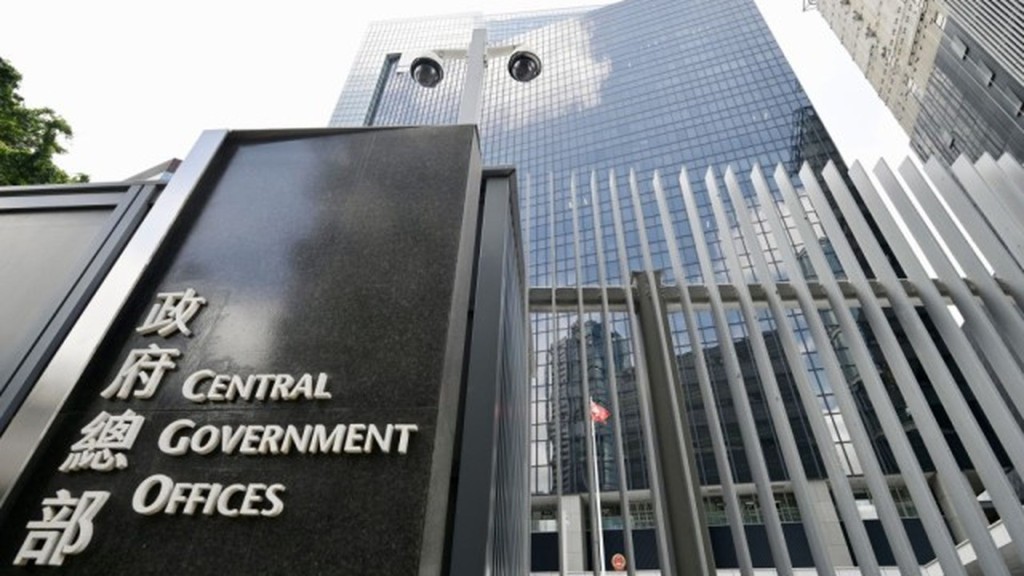
The Hong Kong Legislative Council swiftly completed a clause-by-clause review of newly amended national security subsidiary legislation on Thursday afternoon. The fast-tracked process, driven by cited geopolitical risks, centers on a mechanism allowing the Chief Executive to certify criminal cases as national security offenses.
During a special meeting of the House Committee on Thursday morning, lawmakers agreed to form a subcommittee to review the Safeguarding National Security (Procedural Matters) Regulation.
Operating under a "negative vetting" procedure—where subsidiary laws are enacted prior to legislative scrutiny—the newly formed panel held its first meeting that same afternoon.
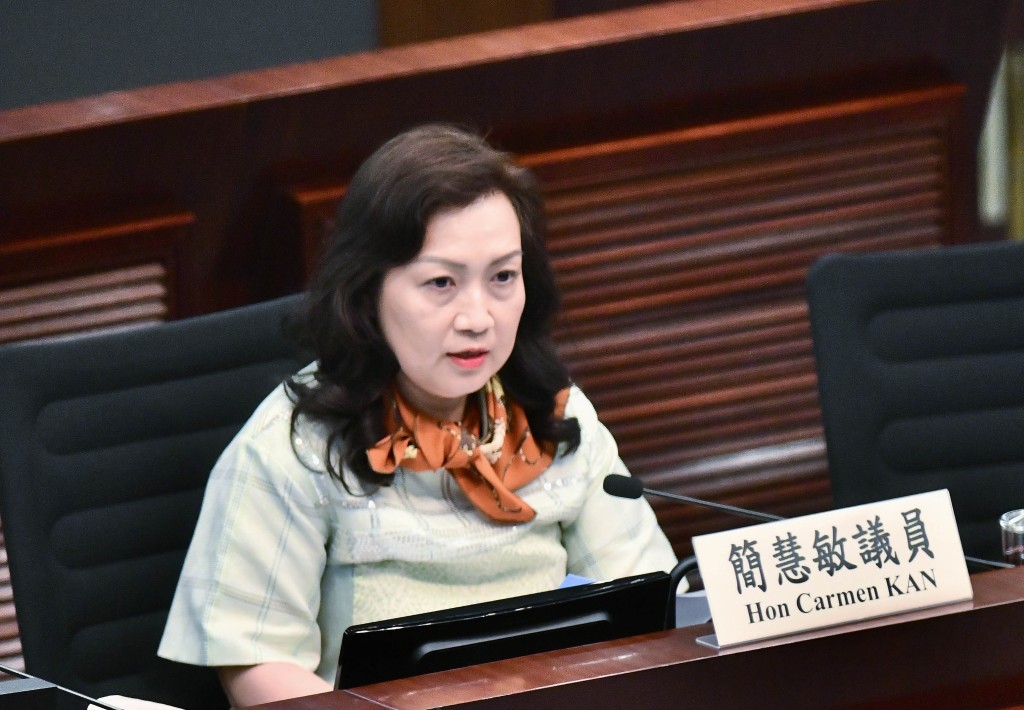
Led by Election Committee constituency lawmaker Carmen Kan Wai-mun as chairperson, the committee completed a clause-by-clause review of the legislation in approximately two hours.
The special session was initially convened following correspondence from Secretary for Security Chris Tang Ping-keung. Committee chair Chan Chun-ying explained that the security chief’s letter highlighted a complicated geopolitical landscape and persistent hidden threats, stressing the importance of gaining every possible day to finalize security measures.
The newly reviewed provisions stipulate that if the Chief Executive determines an act within a criminal case involves national security, a certificate can be issued to classify the matter as a national security offense. This classification automatically extends to any alternate charges brought against a defendant within the same case.
During the afternoon session, government officials strongly defended the legislation against criticisms from overseas entities and absconders.
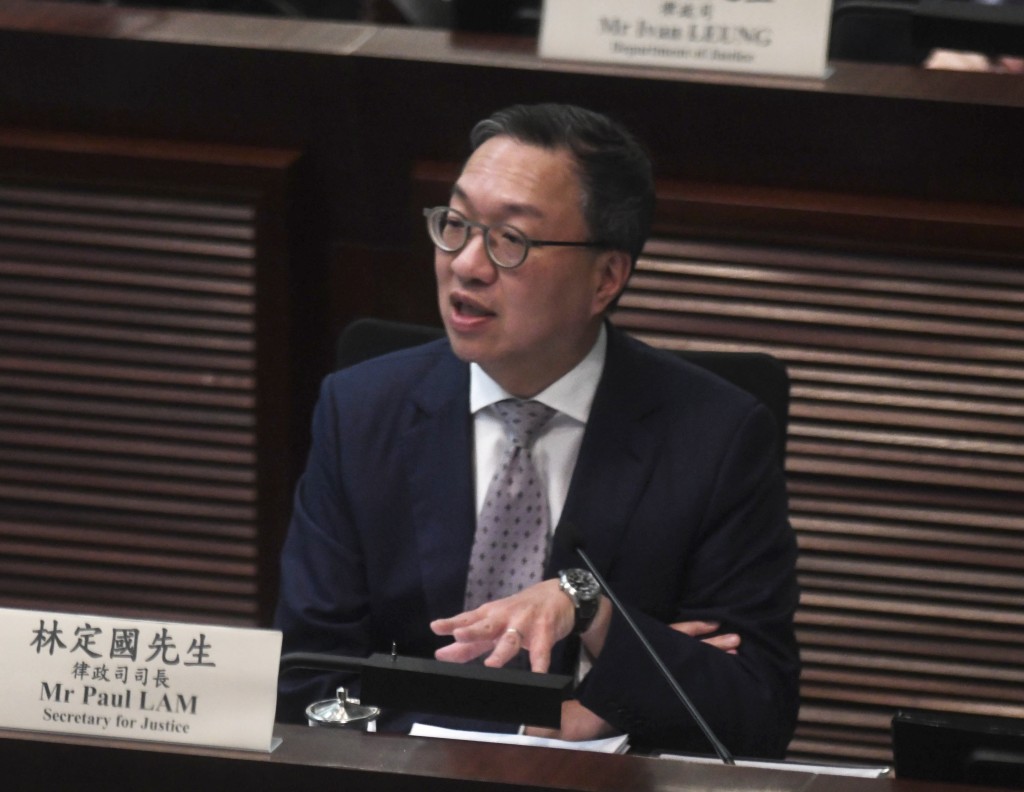
Secretary for Justice Paul Lam Ting-kwok explained that the Chief Executive certificate mechanism aligns with established common law principles, noting that courts traditionally respect the executive branch's specialized experience and assessment of security risks.
Lam also clarified that the regulation carries no retrospective effect and will not apply to already completed legal proceedings.
Tang refuted public claims that the mechanism would arbitrarily expand the scope of national security crimes to cover minor, ordinary offenses.
He described such allegations as misleading attempts to incite public distrust, emphasizing that the classification will only apply to cases with a genuine national security background, a scenario he expects to be extremely rare.
Officials also addressed technical concerns raised by lawmakers regarding trial procedures.
Lam confirmed that applying national security status to alternate charges would not alter the maximum sentencing or the burden of proof, as prosecutions are based on the same set of factual evidence.
Regarding ongoing trials that might be reclassified mid-proceedings, Tang clarified that such cases must be transferred to designated national security judges.
The Department of Justice will determine whether to maintain a jury, with the primary principle being the preservation of a fair trial.
Furthermore, the justice secretary assured members that the courts retain a proactive constitutional duty to request a certificate from the Chief Executive should they encounter potential national security elements during a trial.
The 15-member subcommittee consists of legislators from various political affiliations.
Alongside Kan, the panel includes fellow Election Committee members Peter Douglas Koon Ho-ming, Nicholas Chan Hiu-fung, Chan Siu-hung, Thomas So Shiu-tsung, and Maggie Chan Man-ki.
Also joining are Kitson Yang Wing-kit representing Kowloon Central, Peter Shiu Ka-fai of the Liberal Party, Stanley Ng Chau-pei from the Federation of Trade Unions, and Kenneth Fok Kai-kong representing the Sports, Performing Arts, Culture and Publication sector.
Rounding out the group are Jimmy Ng Wing-ka and Priscilla Leung Mei-fun of the Business and Professionals Alliance for Hong Kong, Holden Chow Ho-ding and Gary Chan Hak-kan from the Democratic Alliance for the Betterment and Progress of Hong Kong, and Judy Chan Kapui of the New People's Party.