
Read More
Residents in several districts have been urged to stay alert after the latest mosquito surveillance figures showed widespread activity of Aedes albopictus mosquitoes, with Tseung Kwan O North recording the highest reading.
ADVERTISEMENT
SCROLL TO CONTINUE WITH CONTENT
The Food and Environmental Hygiene Department said the latest Gravidtrap Index for Aedes albopictus mosquitoes reached 35.3 percent in Tseung Kwan O North, followed by 31 percent in Ma On Shan.
Readings in Cheung Sha Wan, Sham Shui Po and Shek Kip Mei, Sheung Shui, Tseung Kwan O East and Tsuen Wan West also exceeded the 20 percent alert level, indicating that the mosquitoes were widely distributed in those areas.
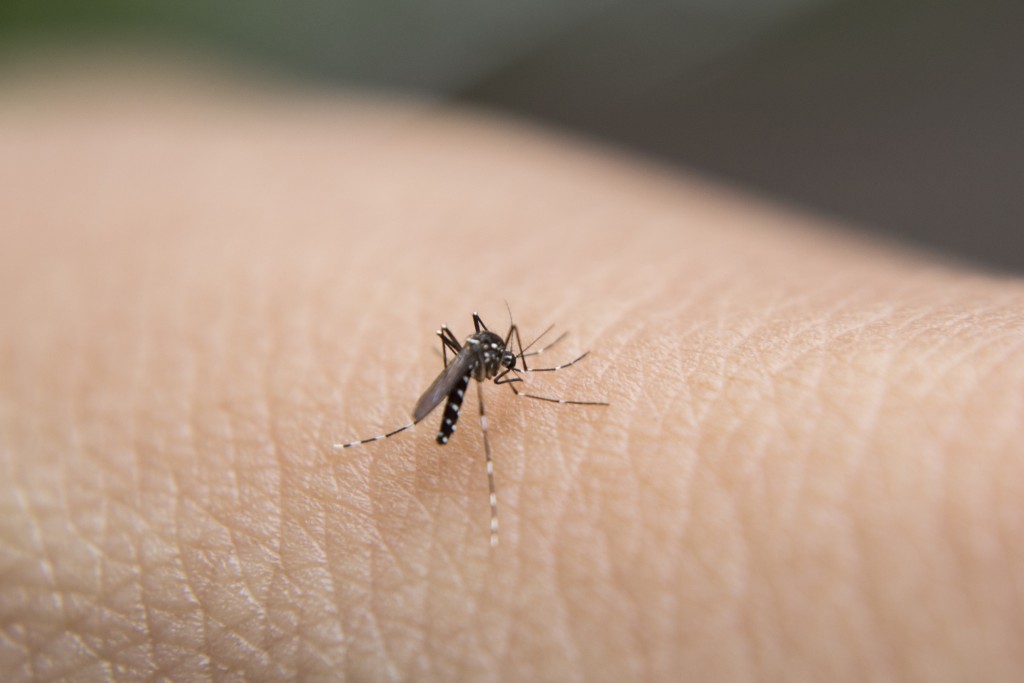
The Aedes albopictus mosquito, commonly known as the Asian tiger mosquito, can transmit dengue fever. The department reminded residents and property managers to remove stagnant water, especially after rainfall, and to check drains, flower pots, trays and other containers where mosquitoes may breed.
The department said the mosquito index usually begins to rise around April and May each year, with relatively higher readings generally recorded between April and June.
This year’s rise appeared earlier as temperatures climbed sooner than last year, while rainfall increased significantly in April and May, creating favorable conditions for mosquito growth and breeding.
Depending on rainfall and other weather factors, the index may rise further, though the overall trend remains similar to those seen in recent years, the department said.
Since April, the department has taken enforcement action at locations with more serious mosquito problems, including construction sites and private residential estates.
It has initiated 71 prosecutions against management companies or responsible persons over mosquito breeding, and issued 183 statutory notices requiring the removal of stagnant water or containers holding water.