Read More



Night Recap - October 15, 2026
2 hours ago





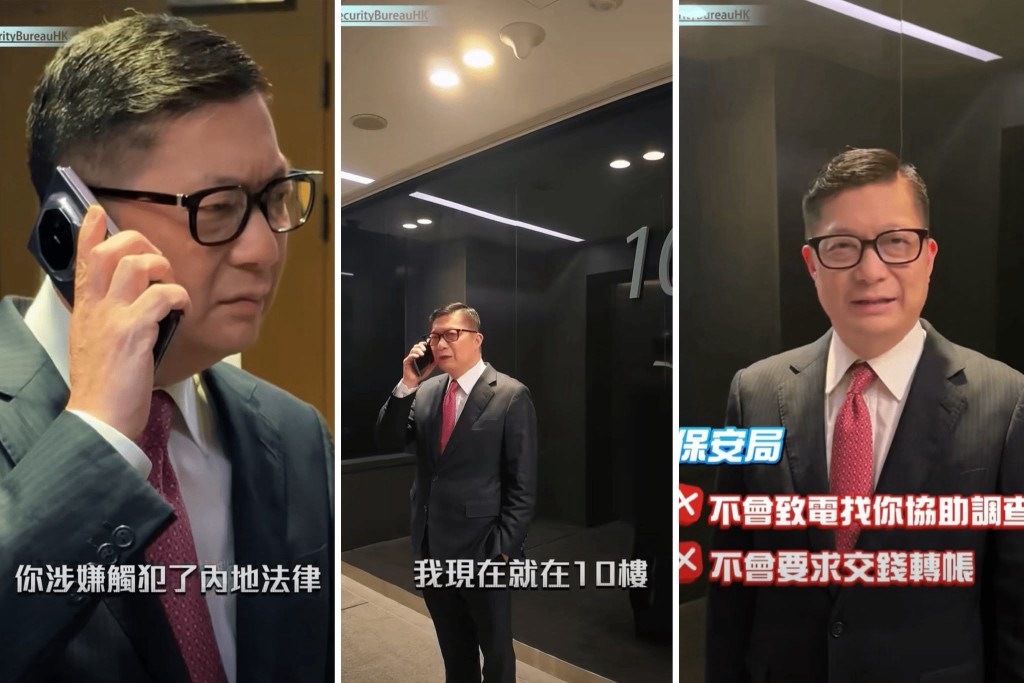

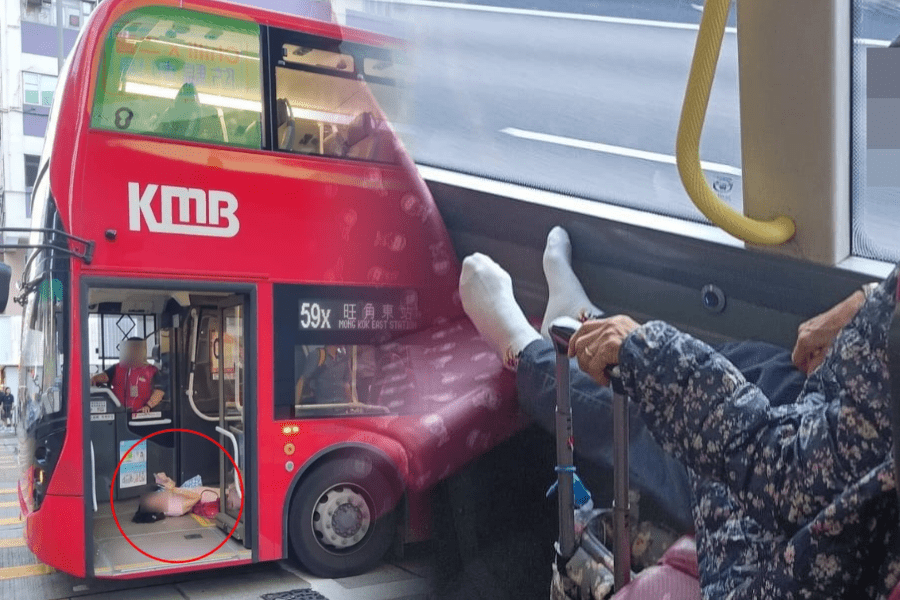
Transport chief takes a back seat on fining transit nuisance behavior
14-10-2026 18:09 HKT


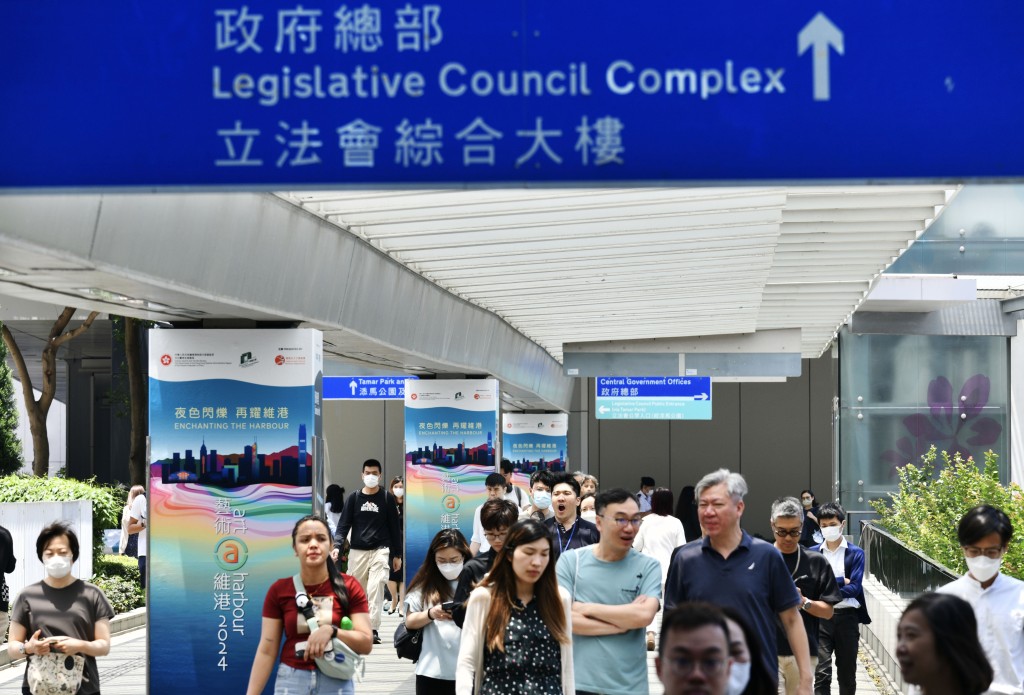
The Federation of Hong Kong and Kowloon Labour Unions (HKFLU) has urged the government to approve civil service pay raises that align with the latest net pay trend indicators, arguing that Hong Kong's robust economic growth justifies the adjustment to maintain staff morale and support private-sector wage momentum.
The call follows the government’s announcement on Thursday that the gross pay trend indicators for the lower, middle, and upper salary bands are 1.17 percent, 2.64 percent, and 4.12 percent, respectively.
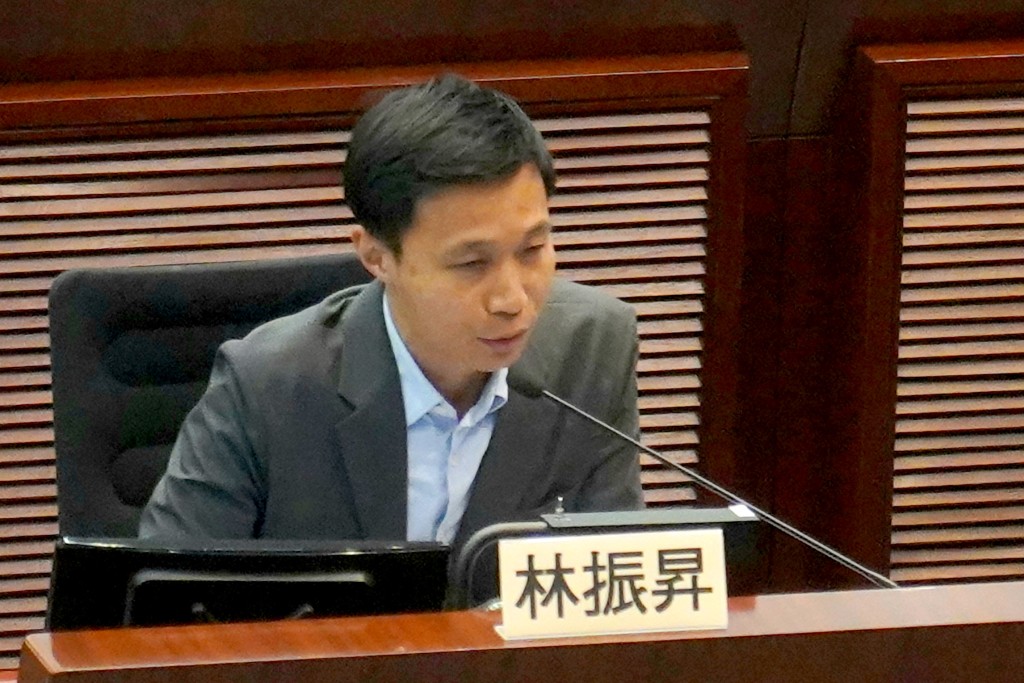
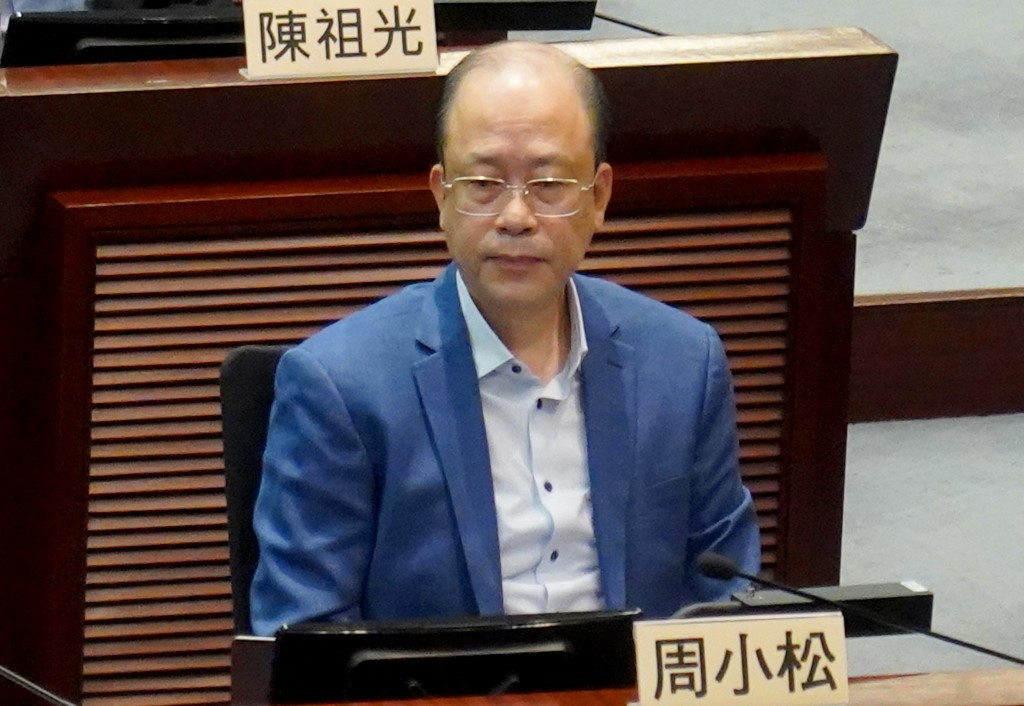
Union chairman Lam Chun-sing and secretary-general Chau Siu-chung, both lawmakers, stated that these indicators align with market expectations and accurately reflect the solid momentum of Hong Kong’s economic recovery.
They highlighted that, following a 3.5 percent real GDP growth last year, the city’s economy surged by 5.9 percent year-on-year in the first quarter of this year, accompanied by steady nominal wage increases across the private sector.
Lam pointed out that civil servants have endured three pay freezes and two subdued adjustments over the past six fiscal years. He warned that if public sector salaries continue to lag behind the private market, the government's ability to recruit and retain top talent will be severely compromised.
He stressed that public organizations and numerous private enterprises often referenced civil service pay adjustments. He urged the government to account for cumulative inflation over the past two years to ensure a fair decision that encourages positive wage growth across the private sector.
Addressing individual disciplinary issues, such as the departmental shortcomings uncovered during the recent Wang Fuk Court fire inquiries, Lam argued that these incidents should be managed through established performance review mechanisms rather than influencing the salary adjustments of the broader civil service.
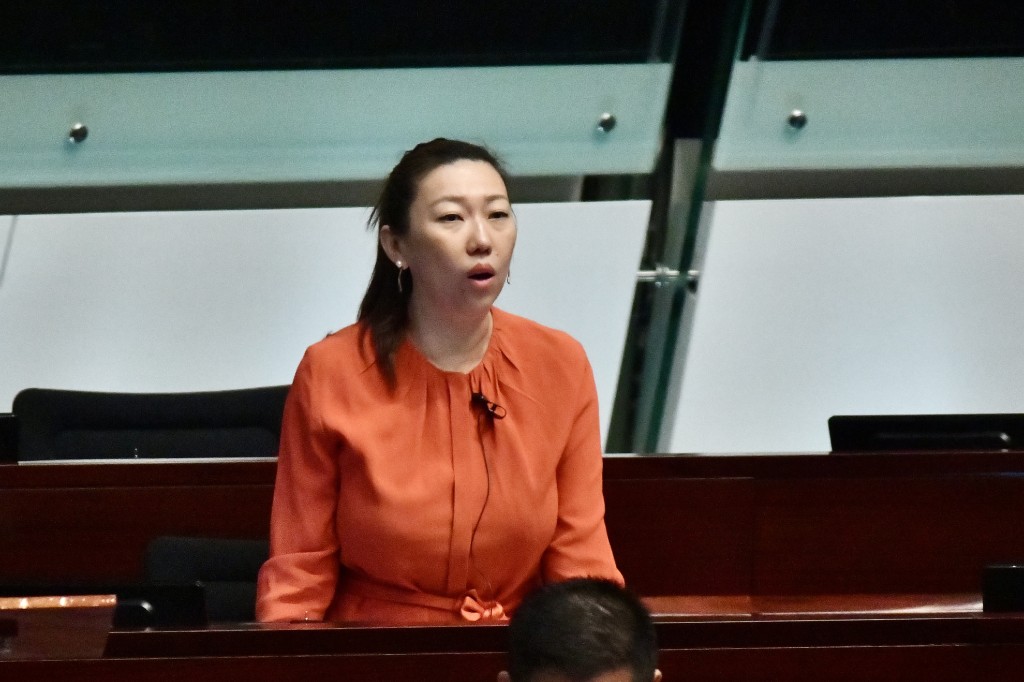
Meanwhile, lawmaker Nixie Lam Lam, also the deputy chairman of the Legislative Council’s Panel on Public Service, cautioned the administration against setting pay increases based solely on short-term market optimism.
While noting minor recoveries in the local stock and property markets, she warned that complex external economic factors and long-term structural spending present ongoing financial pressures.
She emphasized that significant resources are already being directed toward housing, infrastructure, innovation and technology, healthcare, and social welfare, creating a persistent strain on both recurrent and capital works budgets.
To ensure fiscal responsibility, she suggested that major optimizations to civil service compensation should be introduced progressively, and only after the economy achieves a steady, sustained recovery and public finances stabilize.