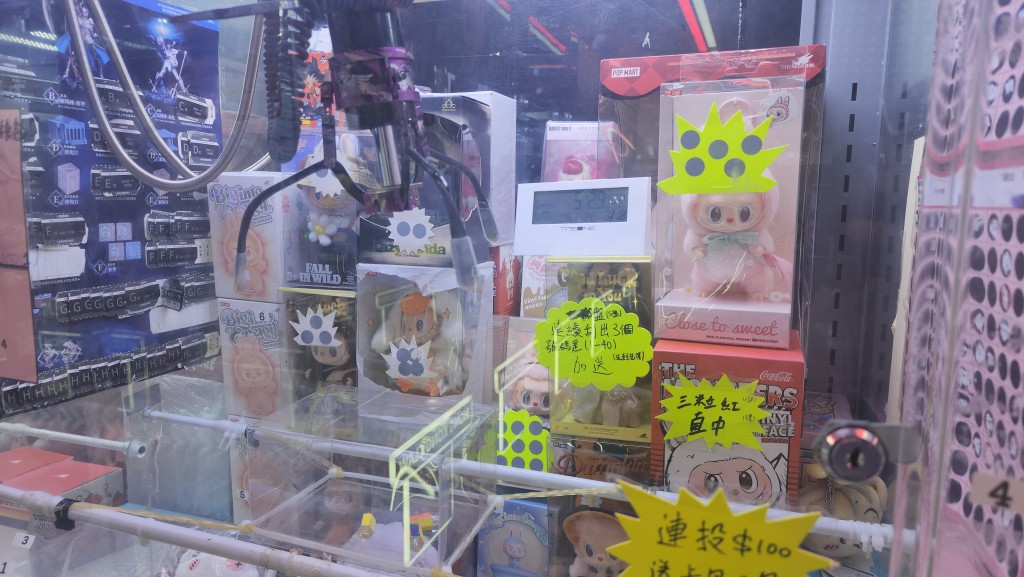
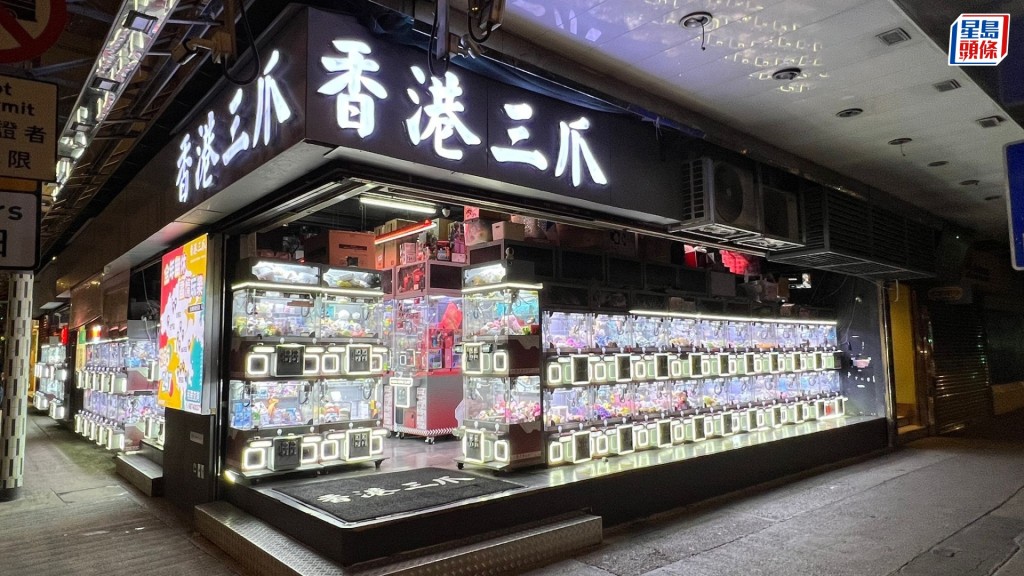
Lawmakers have welcomed a government proposal to amend legislation to tighten oversight on claw machines, pinball parlours, and internet cafes, citing the need to curb potential gaming addiction and safeguard player interests.
Speaking on a radio program on Tuesday, lawmaker Bill Tang Ka-piu noted a sharp surge in operators running claw and pinball machine businesses in recent years.
He cited observations from gambling counseling organizations that growing numbers of citizens have developed gaming addiction from such prize-awarding games, stressing that a formal licensing system is essential to protect players and standardize the industry.
He pointed out that unregulated amusement machines have spawned problematic and illegal practices. Some claw machine operators place high-value prizes inside devices, while certain venues allow dice-based betting activities. Police have previously raided multiple claw machine premises operating unlicensed gambling services.
Compared with claw machines, Tang noted that pinball machines carry a higher risk of public addiction. Bringing all relevant operators under a regulatory framework would enable authorities to identify accountable parties for any irregularities.
He added that covering these games under the Amusements with Prizes License would impose strict prize and betting limits. By capping game fees at HK$5 and prize values at HK$300, the proposed rules create a clear boundary that protects players from the risks of unregulated gambling.
Lawmaker Vincent Cheng Wing-shun revealed in the same program that he has received repeated public complaints regarding children becoming addicted to these games.
He also raised concerns over fraudulent practices, such as weak claws and narrow prize chutes designed to prevent players from winning, and urged comprehensive regulations to safeguard consumers.
The regulatory amendments also target internet cafes, which are proposed to be governed under the Amusement Game Centres Ordinance or classified as esports venues, with a blanket ban on on-site accommodation services.
Tang explained that the new rules respond to a prevalent industry loophole where internet cafes provide overnight lodging for tourists.
He argued that the voluntary code of practice introduced over two decades ago is now outdated and ineffective, calling for statutory regulations to govern the evolving business model.
Cheng added that internet cafes have shifted from simple web-surfing hubs to gaming lounges—and even “hidden hostels.” He slammed the current reliance on voluntary codes as “highly unsatisfactory.”
He suggested adding a strict no-accommodation clause to licenses. This would allow inspectors to cite violations immediately upon finding beds or showers, effectively ending the unauthorized overnight hosting.
He noted that while regulating cafes under the Amusement Game Centres Ordinance would impose strict age and uniform bans, an “e-sports venue” classification would offer more flexibility.
𝗙𝗼𝗹𝗹𝗼𝘄 𝘁𝗵𝗲 𝗰𝗼𝗺𝗺𝘂𝗻𝗶𝘁𝘆 𝗼𝗳 𝗧𝗵𝗲 𝗦𝘁𝗮𝗻𝗱𝗮𝗿𝗱↓