Read More






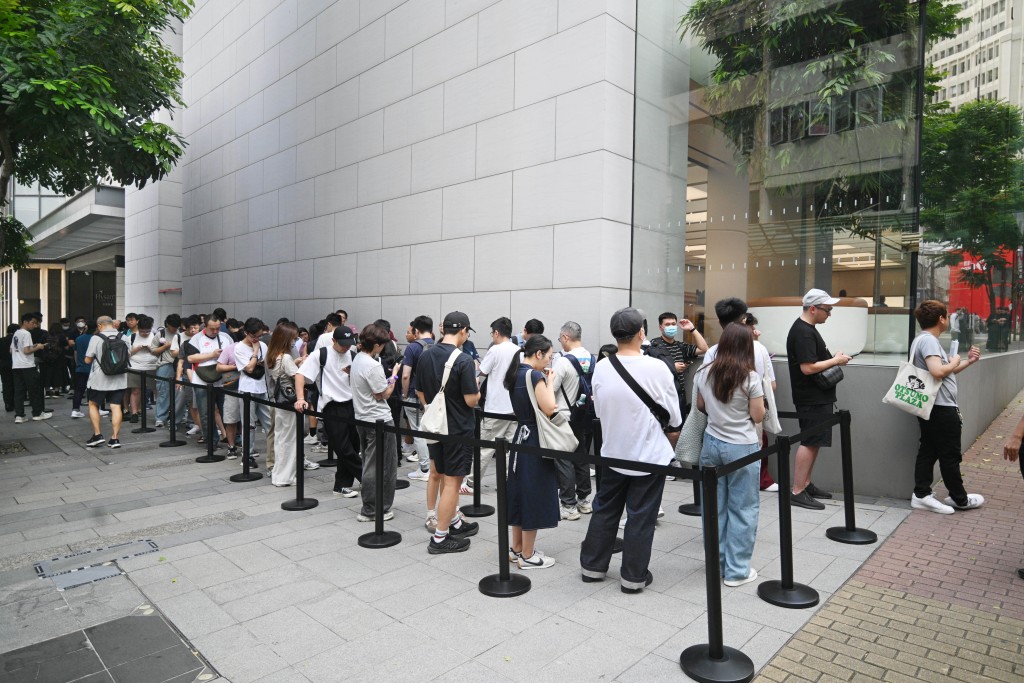
Credit card fraud hits foldable iPhone Duo launch
17-10-2026 12:23 HKT

Three arrested over missing fire door frames in public estate lift overhaul
16-10-2026 20:10 HKT


Dreamy bioluminescent “blue tears” have appeared along the Kai Tak waterfront in recent days, yet this mesmerizing natural spectacle masks an underlying ecological crisis, with online users revealing the phenomenon has also emerged at two other major coastal spots across Hong Kong.
A user posted a video on Threads on Saturday (May 2), sharing footage of blue tears emerging at Kai Tak waterfront. The user revealed that the sight was captured between 10pm and 11pm, with the glowing stretch running along the entire waterfront promenade.
When asked by other netizens if the area emitted an odor or if the algae turned the seawater murky during the day, the poster noted that it “smells foul.”
Online users further reported similar outbreaks at Sham Tseng and Ma Wan, with many sharing that they also spotted the blue glow while fishing in the two areas the previous night.
Commonly known as “blue tears”, the phenomenon is a type of red tide caused by Noctiluca scintillans, a marine plankton that emits bright blue light when disturbed at night once its population reaches high density under favorable environmental conditions.
Netizens commented that although the scenery is beautiful, blue tears are a troubling sign, with many linking the bloom directly to water contamination. Some recalled admiring the glow in their youth without realizing it stemmed from polluted seawater, adding that such blooms have become an annual occurrence in Hong Kong due to pollution.
Experienced anglers also explained algae usually multiply rapidly as temperatures rise, turning the waves surrounding boats bright blue at night.
Noctiluca scintillans typically thrives in waters contaminated by agricultural and domestic sewage. Experts explained that the plankton contains luciferin, which produces a neon blue glow when disturbed, making the bloom a visible indicator of poor seawater quality.
While the bioluminescent algae themselves are non-toxic, their dense concentration near the surface can deplete dissolved oxygen. This can suffocate marine life, harm aquatic ecosystems, and exacerbate coastal pollution.
Blue tears have been listed by CNN as one of the world’s 15 natural wonders, also dubbed the “sea of stars” or “sea sparkle”. In Hong Kong, the peak season for the phenomenon typically runs from April to June.
The Agriculture, Fisheries and Conservation Department explained that a red tide is a natural phenomenon known as an algal bloom. It occurs when microscopic, single-celled plankton multiply rapidly. Depending on the specific pigments of the algae involved, these blooms can turn seawater pink, red, brown, reddish-brown, dark green, or other hues.