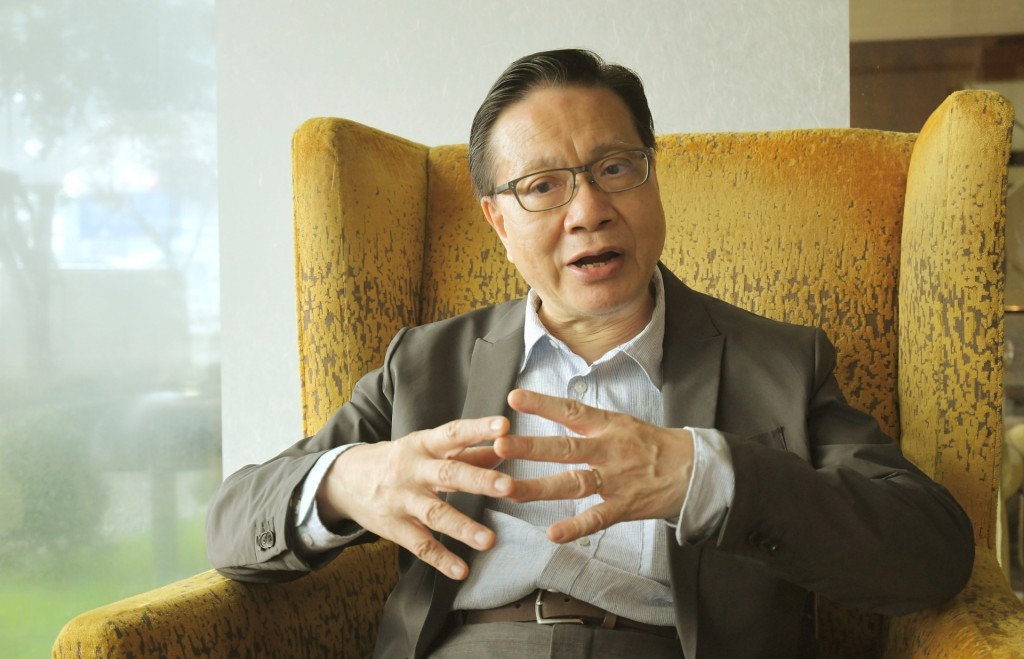
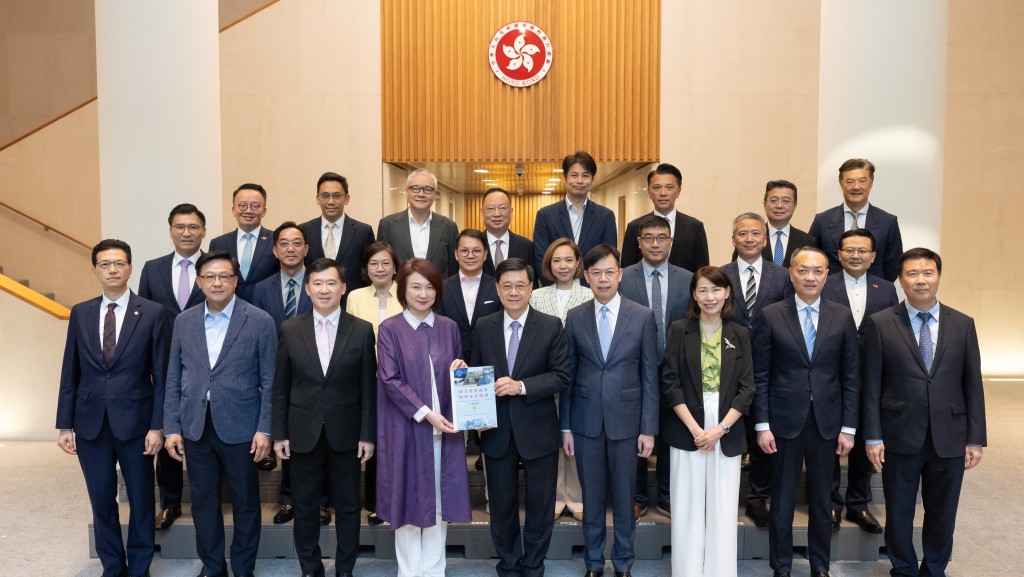
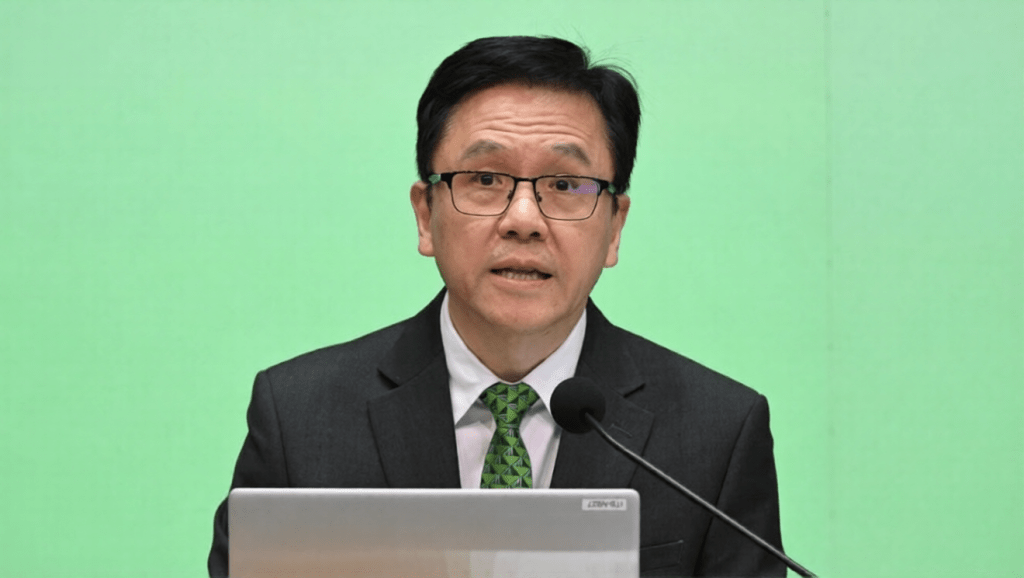
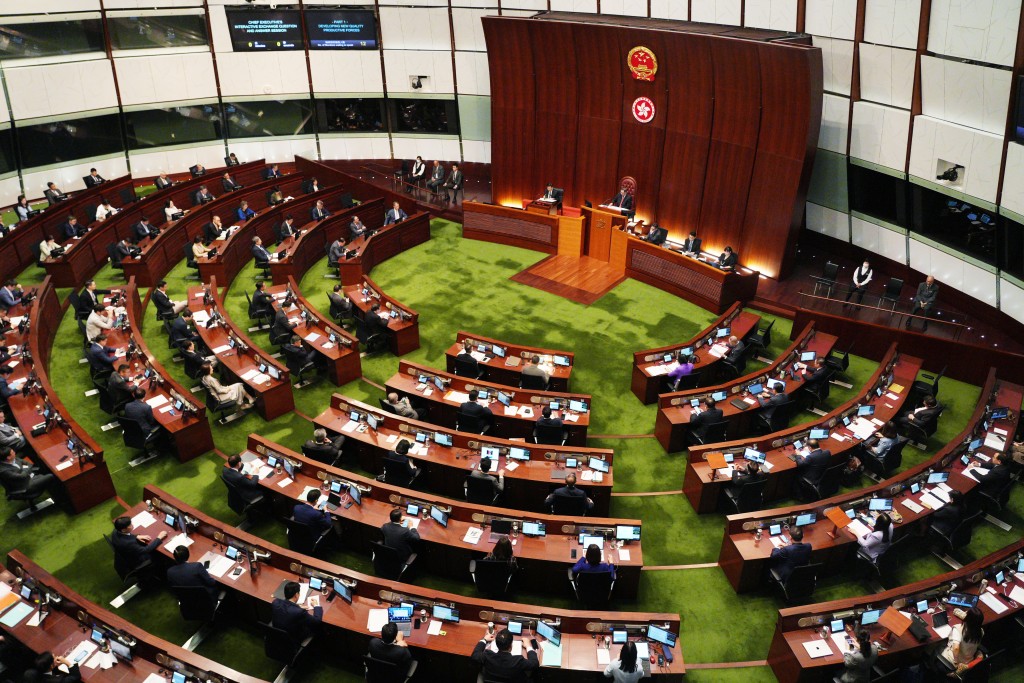
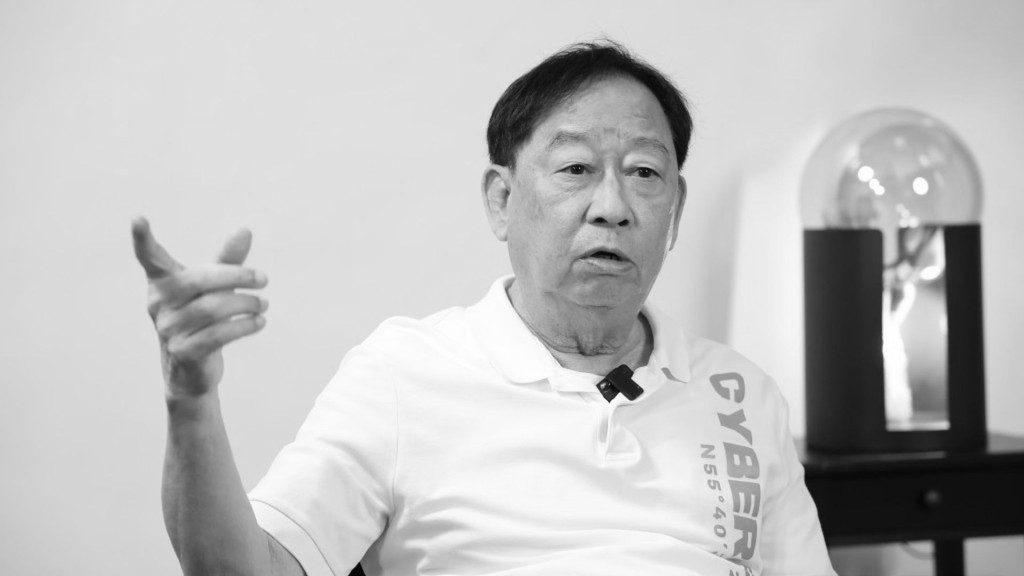
As Hong Kong moves forward with the draft of its first five-year plan, former Secretary for Transport and Housing Anthony Cheung Bing-leung stressed that authorities must prioritize quality over quantity with a national vision.
Speaking on a radio program on Sunday, Cheung, now the chair professor and advisor of public administration at the Education University of Hong Kong, stressed the importance of the five-year plan as the city needs to focus on longtermism.
However, he noted that the discussions are not building from zero, pointing to existing long-term strategies across various areas which integrate a “capable government” philosophy that facilitates the planning.
Three core principles for aligning with national goals
The three core considerations for Hong Kong to align with the nation's 15th Five-Year Plan, Cheung said, include adopting a national vision to understand the country's overall strategy and objectives, contributing to national needs with the city's unique strengths, and deepening cooperation and interaction with the Greater Bay Area — particularly with Shenzhen.
Regarding specific development, Cheung said quality over quantity, adding that the city's unique value lies in its high-quality development.
Taking the financial hub as an example, he noted that while Shanghai and Shenzhen are also developing their financial sectors, Hong Kong's edge rests on its international fundraising channels, appeal to global capital, and world-class regulatory standards.
Applying similar logic to the education sector, Cheung warned that the city cannot rely solely on enrollment numbers or research paper counts but needs to translate its research outcome to develop Hong Kong into an international education hub.
He further urged the city’s institutions to utilize Hong Kong’s advantages of strong support from the motherland and a close connection with the work to lift its education hub status to new heights via collaboration.
Addressing the new accountability system for government department heads, Cheung believed the fundamental issue remains the sense of mission and responsibility among civil servants.
Citing the principal official accountability system introduced by former Chief Executive Tung Chee-hwa, he said the system raised public concerns over accountability but placed excessive responsibility on government heads.
While the system has evolved since, Cheung highlighted that no mechanism will solve the problem if a sense of mission "to serve the people" is not developed among civil servants.
Cheung advocated for a principle of "supervised accountability,” where superiors take responsibility for their subordinates' mistakes.
Still, he stressed the need for balance — one that enables civil servants to take initiative and responsibility but does not discourage them from acting due to perceived risk.