Read More
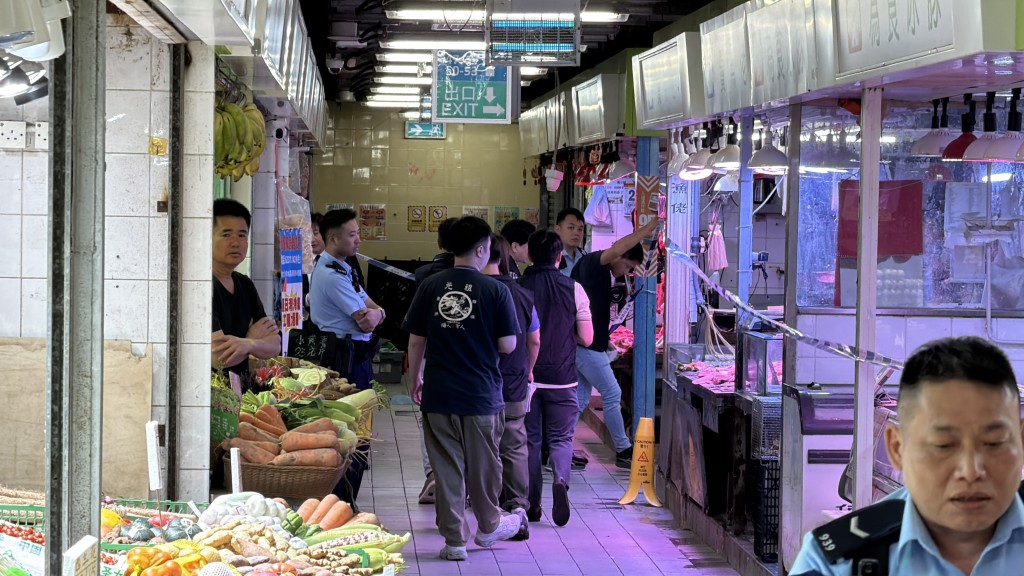
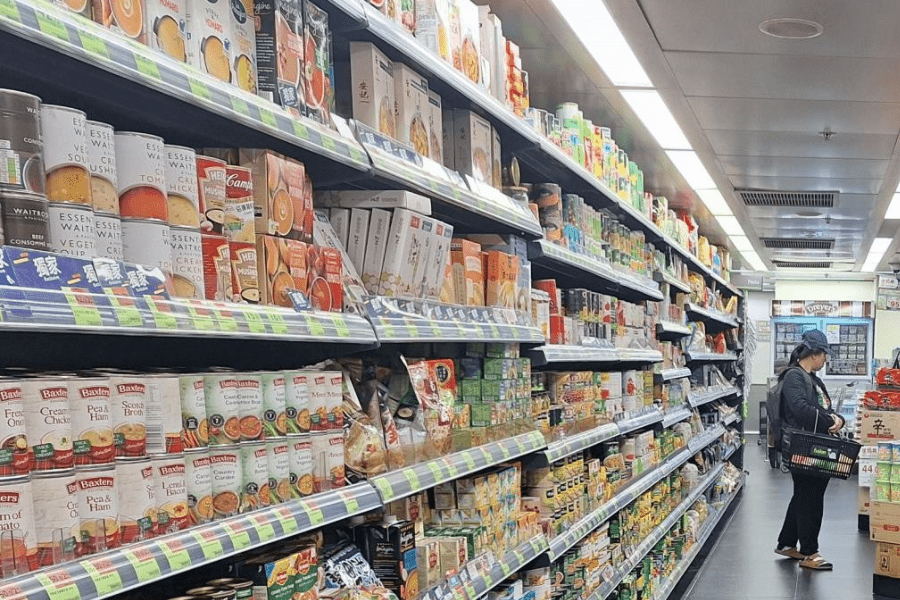
From crowded store aisles to smartphone screens, Hongkongers are loading up their shopping carts as major supermarket chains offer special discounts—and the grocery price war just got hotter with online shopping site HKTVmall joining the battlefield.
ADVERTISEMENT
SCROLL TO CONTINUE WITH CONTENT
The price war kicked off when two major supermarket chains unveiled limited-time 12 percent off flash sales, followed by Kai Bo Food Market's seven-day 20 percent discount starting last Friday (Apr 24).
In response, HKTVmall announced a 15 percent discount on over one million products—from groceries and personal care to beauty, pet, and baby items. The company stated that more surprise offers will be rolled out soon.
“Let’s see who surrenders first,” Ricky Wong Wai-kay, chairman of Hong Kong Television Network, wrote on his social media, noting he is cutting his break in Bhutan for a fight in the realistic business world.
No fear of unfair competition: customers
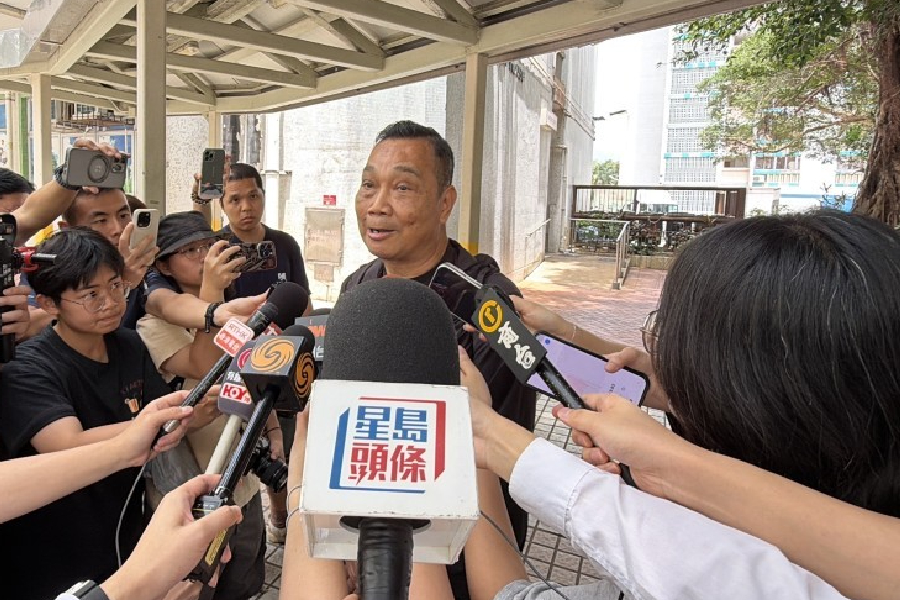
Facing the rounds of slashed price tags, customer Cheng shared he was splitting the grocery run with his wife across multiple supermarkets to get the best deal.
"The price war benefits us," Cheng said. While he believed the discounts were driven by the entry of mainland e-commerce platforms in the city, he expressed confidence in the government to monitor fair play.
"The price war lets us buy necessities at low prices," said another customer, who stocked up during the promotion and has no plans to visit other supermarkets anytime soon.
Highlighting the high cost of living in the city, a shopper surnamed Wong hoped for more discount — ideally 25 percent off. Despite a wide range of discounts online, Wong said she prefers choosing goods at physical stores as she's not used to shopping online.
Regarding the current price war, economist Thomas Yuen Wai-kee attributed the trend to the transitional period in the city’s retail sector, where online retail recorded a 29 percent increase year-on-year.
However, he pointed out that there is still a huge room for the sector to grow as online retail now accounts for 8.5 percent of Hong Kong's total sales, in which the global average stands at 30 percent, and China even saw a 50 to 60 percent.
Yuen noted that mainland e-commerce platforms are not just targeting Hong Kong's 7 million residents, but using the city as a springboard to reach Southeast Asian and Western customers.
While the price war could benefit citizens, Chinese University associate economics professor Terence Chong Tai-leung warned that prolonged losses could trigger store closures or even bankruptcies, sending shockwaves through the local economy.
Lawmaker Peter Shiu Ka-fai described the price war as a normal market adjustment after the entry of mainland e-commerce platforms.
With plenty of alternatives, ranging from cross-border platforms to local startups, Shiu expressed confidence that no single player can manipulate prices.
He stressed competition is the engine of progress, noting local supermarkets have to enhance online and delivery services to serve customers' shifting needs and stabilize development.
Earlier in the month, Jardine Matheson is reportedly in discussions with CK Hutchison Holdings over a potential acquisition of supermarket chain PARKnSHOP, with plans to merge the business with Wellcome, according to the Financial Times. Citing four people familiar with the matter, the report said negotiations between the two conglomerates have been ongoing for some time, though details of any proposed valuation have not been disclosed.
Wellcome is wholly owned by DFI Retail Group, which operates under the Jardine group. A potential merger would bring together two of Hong Kong’s largest supermarket operators, raising the prospect of a major shift in the city’s retail landscape.
𝗗𝗼𝘄𝗻𝗹𝗼𝗮𝗱 𝗧𝗵𝗲 𝗦𝘁𝗮𝗻𝗱𝗮𝗿𝗱 𝗔𝗽𝗽 ↓