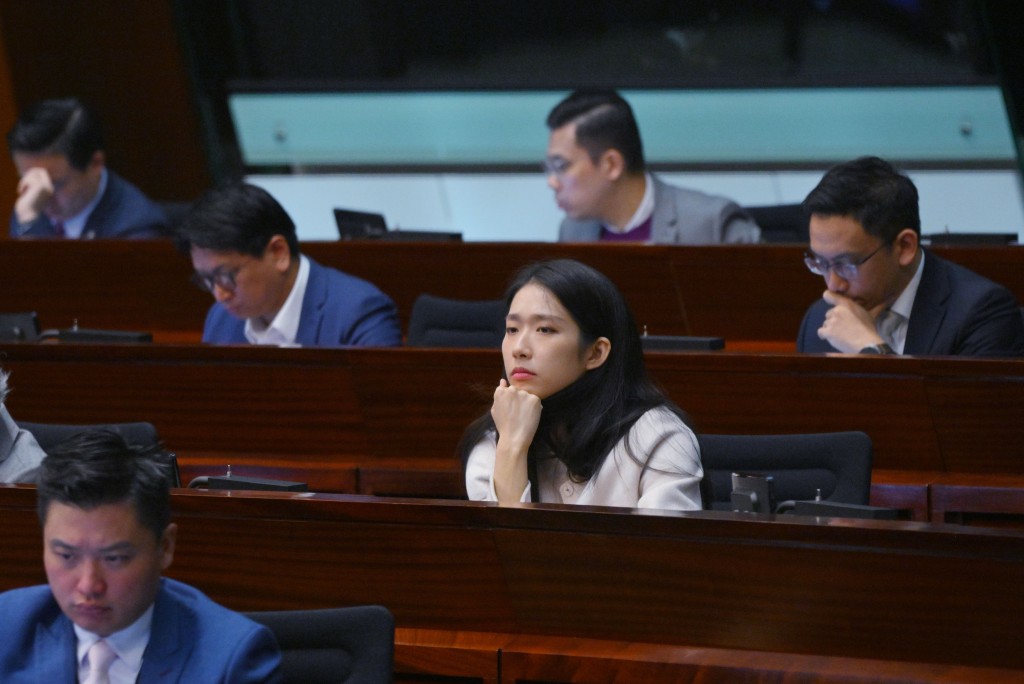
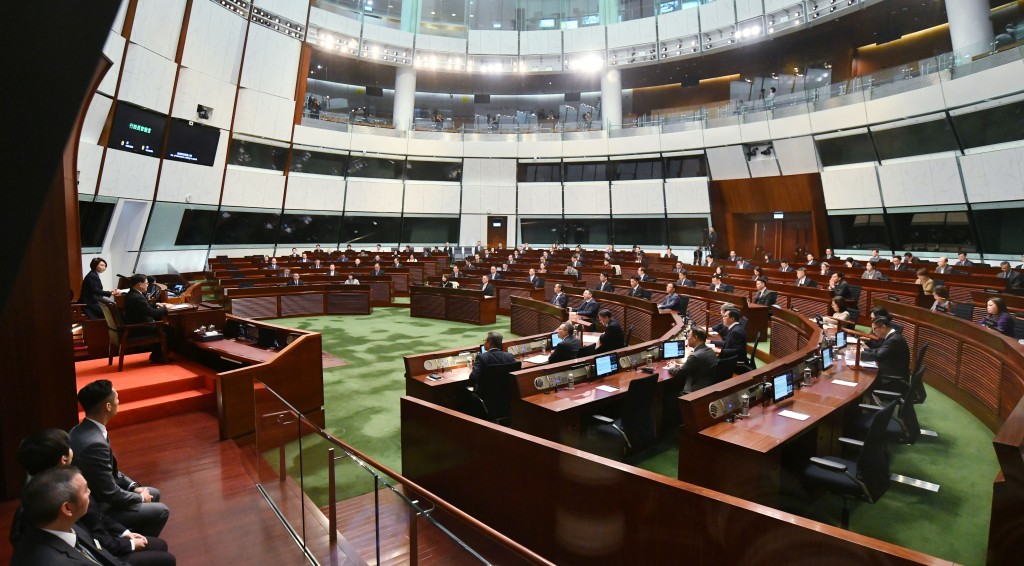
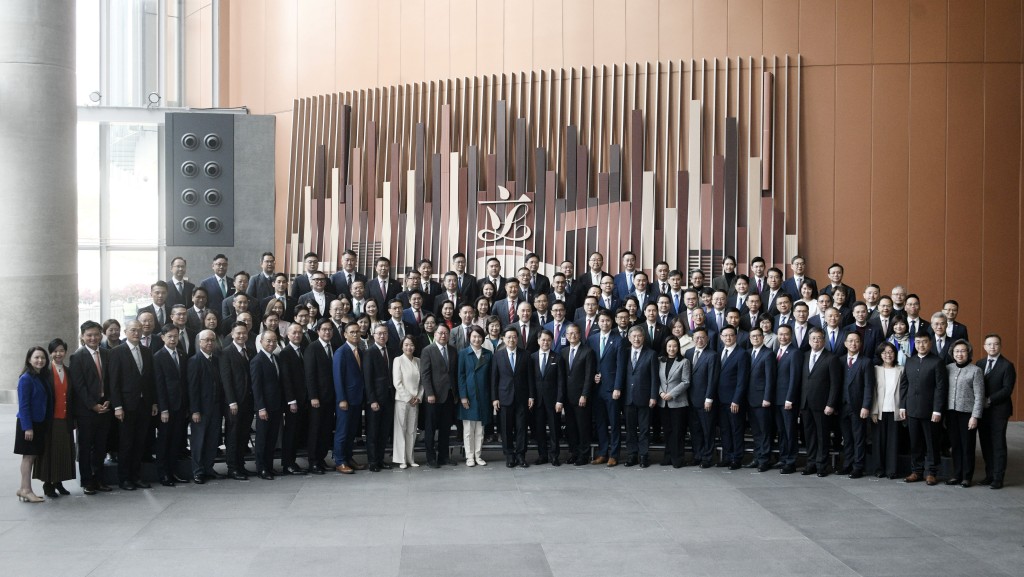
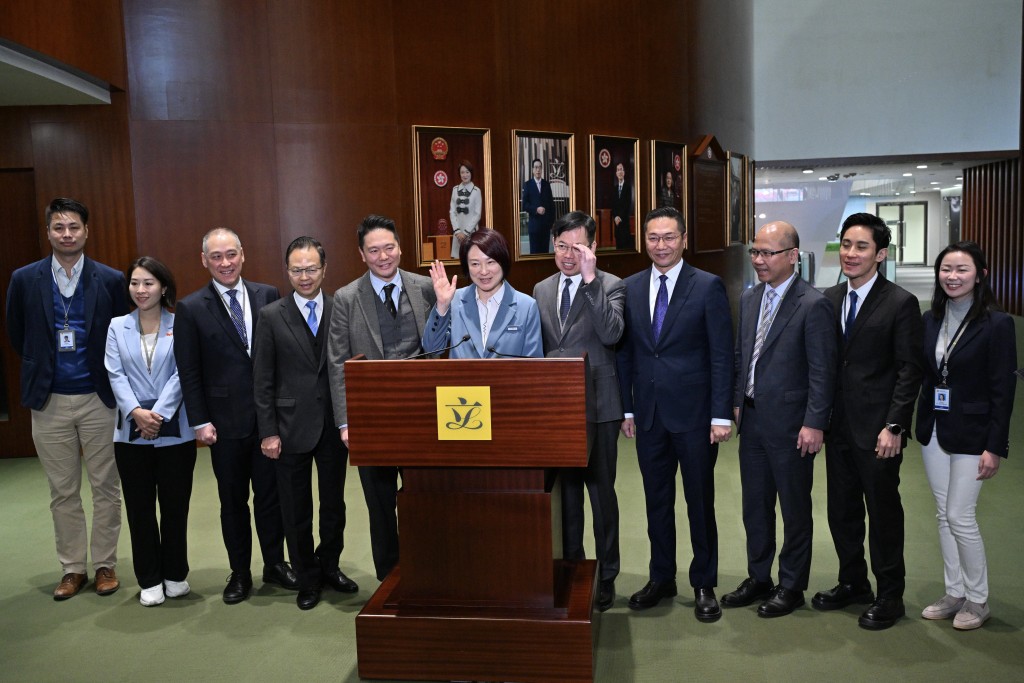
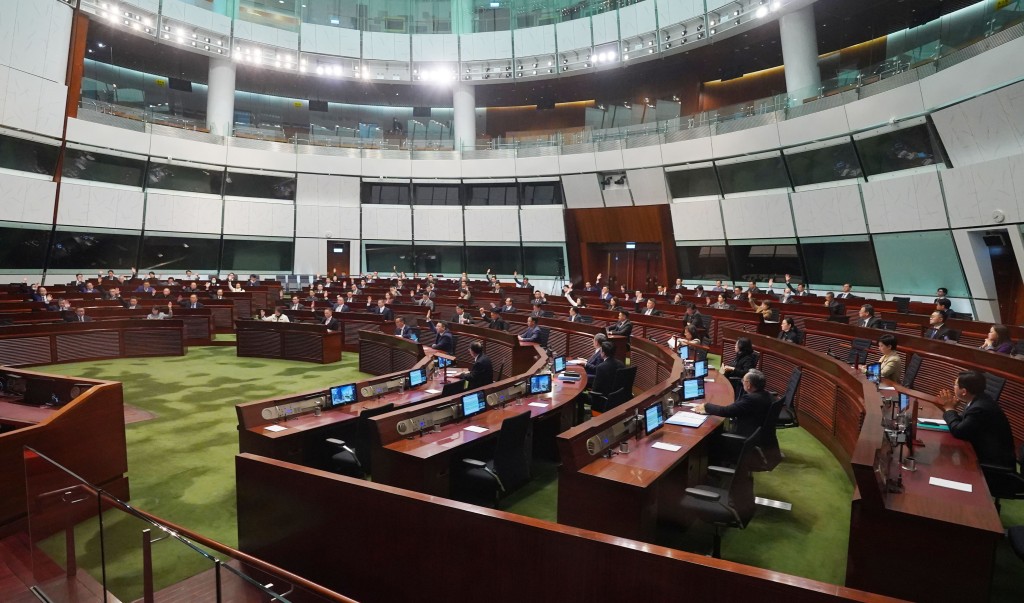
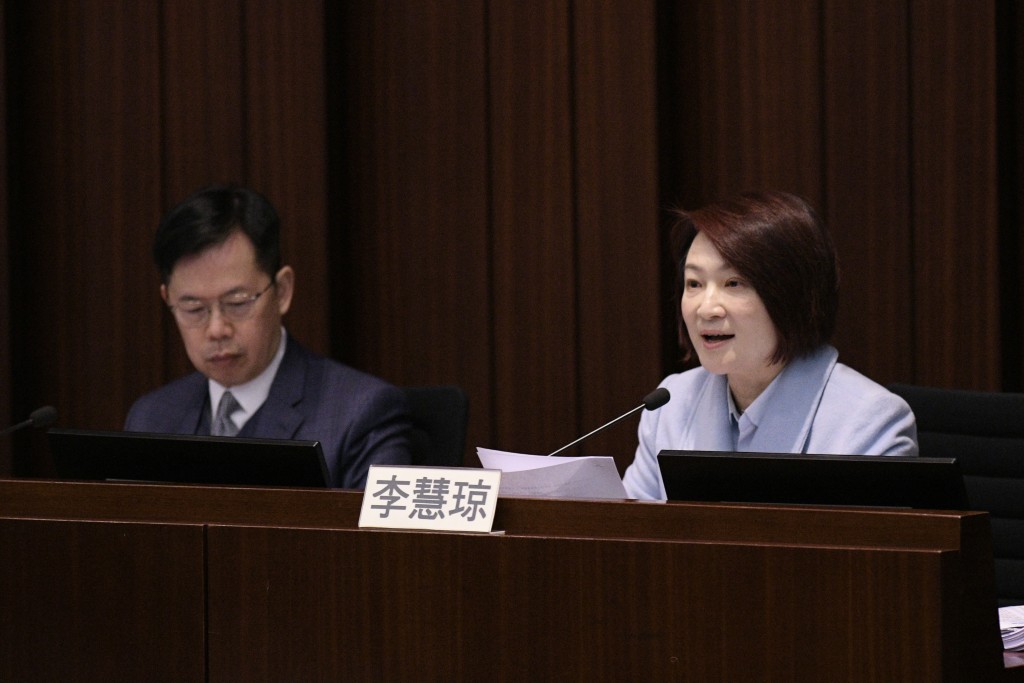
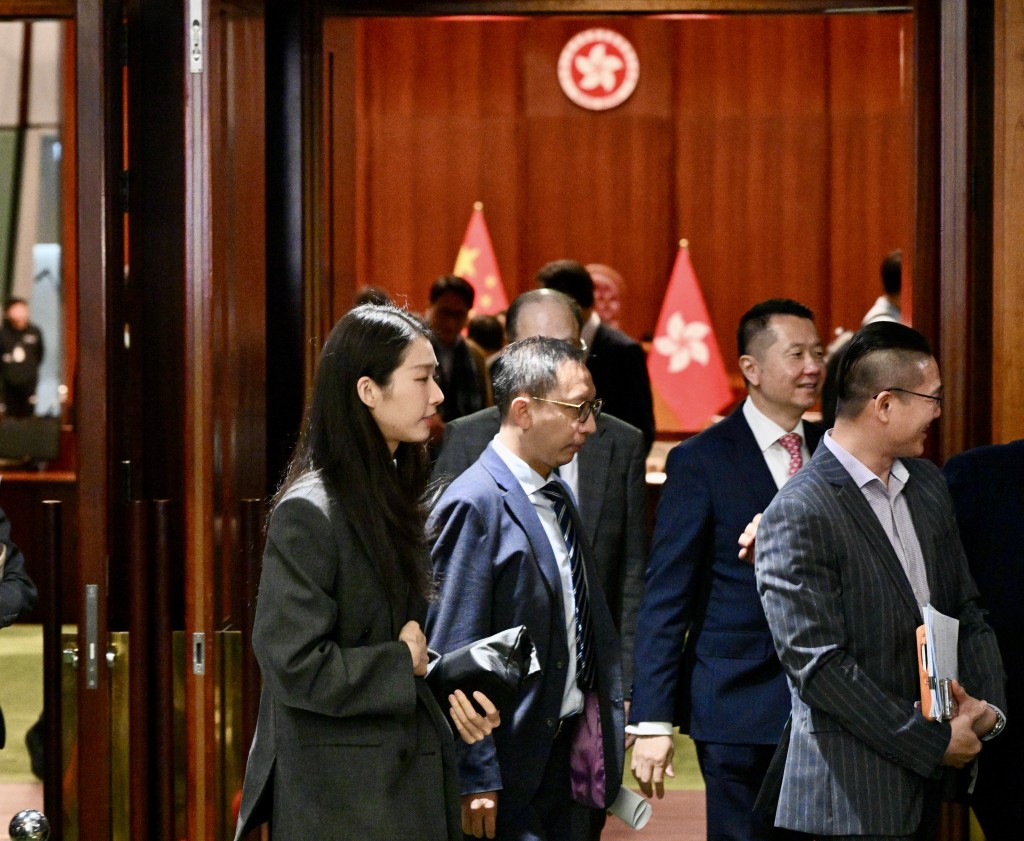
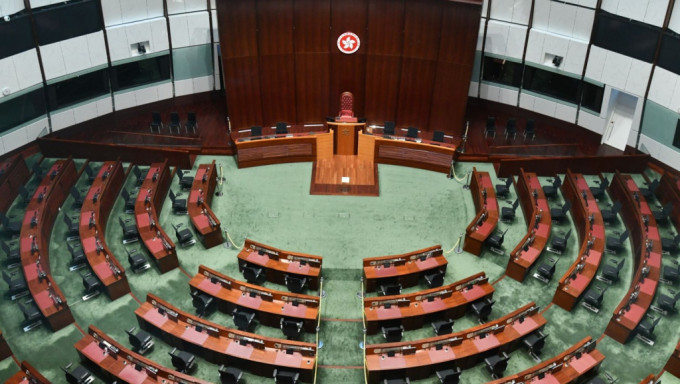
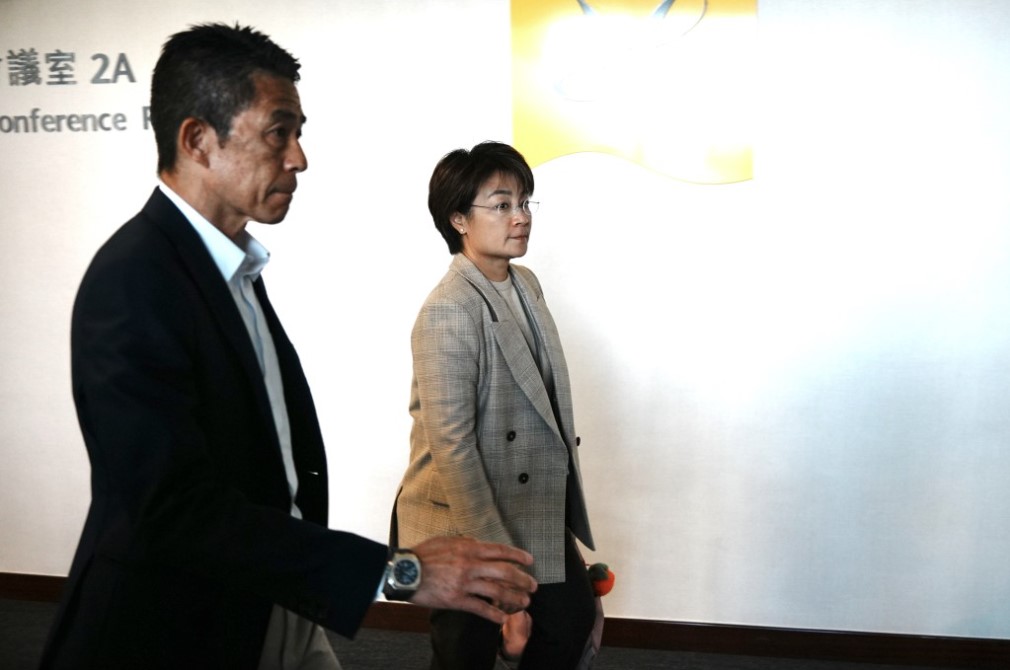
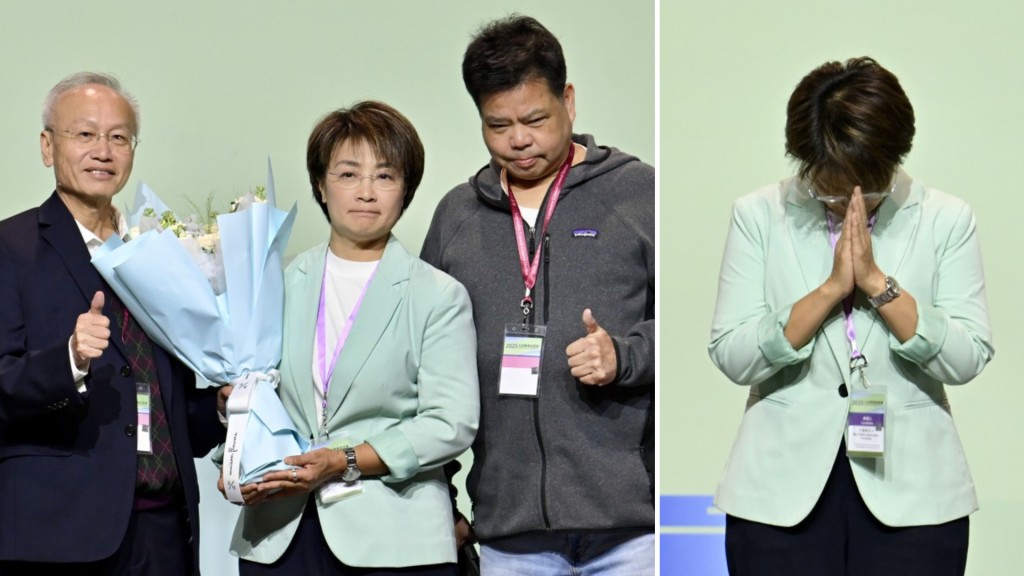
Hong Kong’s Legislative Council has, for the first time since the city’s return to Chinese sovereignty, become an “all-Chinese” legislature following tourism sector lawmaker Vivian Kong Man-wai’s reported renunciation of her Canadian passport.
Kong, a former Olympic gold medalist fencer often described as having successfully transitioned into politics, is understood to have completed the renunciation process one to two months ago, though no formal public announcement was made. Her move means no current lawmaker now holds foreign citizenship or residency rights.
The development comes just over three months into the current legislative term. Earlier attendance data showed that Kong has maintained a 100 percent attendance rate across all meetings, placing her among the most active members of the 90-seat council.
From athlete to lawmaker
Kong’s foreign passport had drawn public attention when she was considering entering the Legislative Council race. At the time, she acknowledged holding Canadian citizenship and said she had already initiated the renunciation process.
Due to time constraints, she ultimately contested and won a seat in the tourism functional constituency, which allows candidates with foreign nationality or residency rights, rather than running in a geographical constituency.
Her Canadian passport is understood to stem from broader migration patterns prior to Hong Kong’s 1997 handover, when many middle-class families emigrated overseas, securing foreign residency or citizenship for themselves and their children.
While such documents are commonly retained as travel identification, they carry greater sensitivity when holders take up senior public office.
A shift in legislative composition
Foreign passports or residency rights have not been uncommon among Hong Kong lawmakers. In previous terms, members including Edmund Wong Chun-sek, Ambrose Lam San-keung and Louis Loong Hon-biu held overseas status, while Tony Tse Wai-chuen relinquished foreign residency before seeking re-election.
Andrew Leung Kwan-yuen also previously held British nationality before becoming Legislative Council president in 2016.
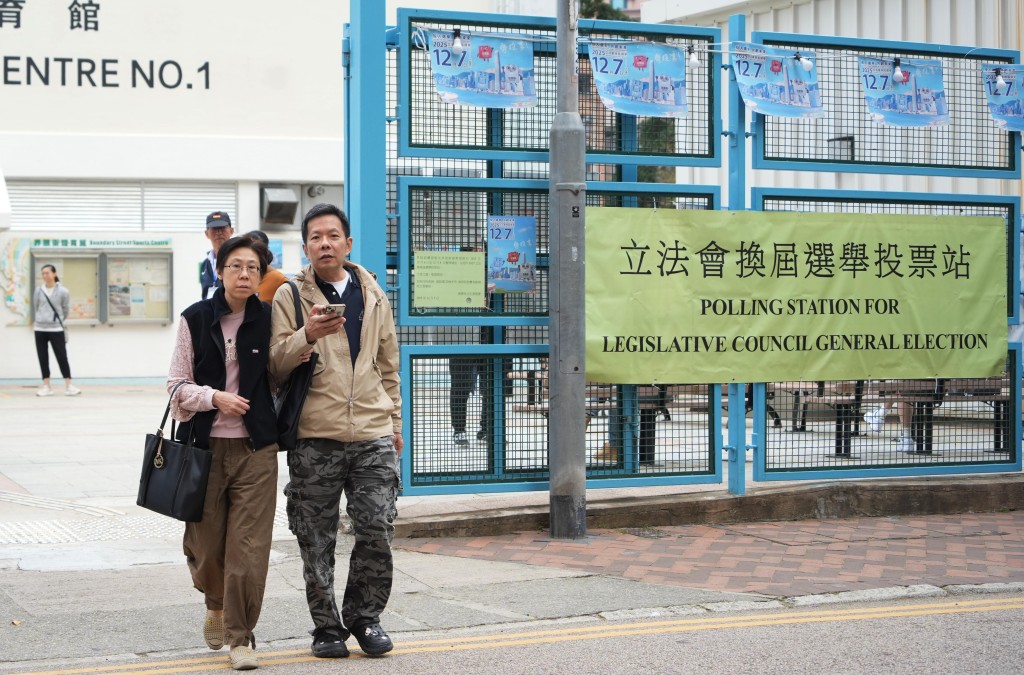
In last December’s election, at least four candidates declared foreign citizenship or residency, but Kong was the only one elected. Her completed renunciation now marks the first time the legislature has no members with foreign status.
Colleagues note learning curve and dedication
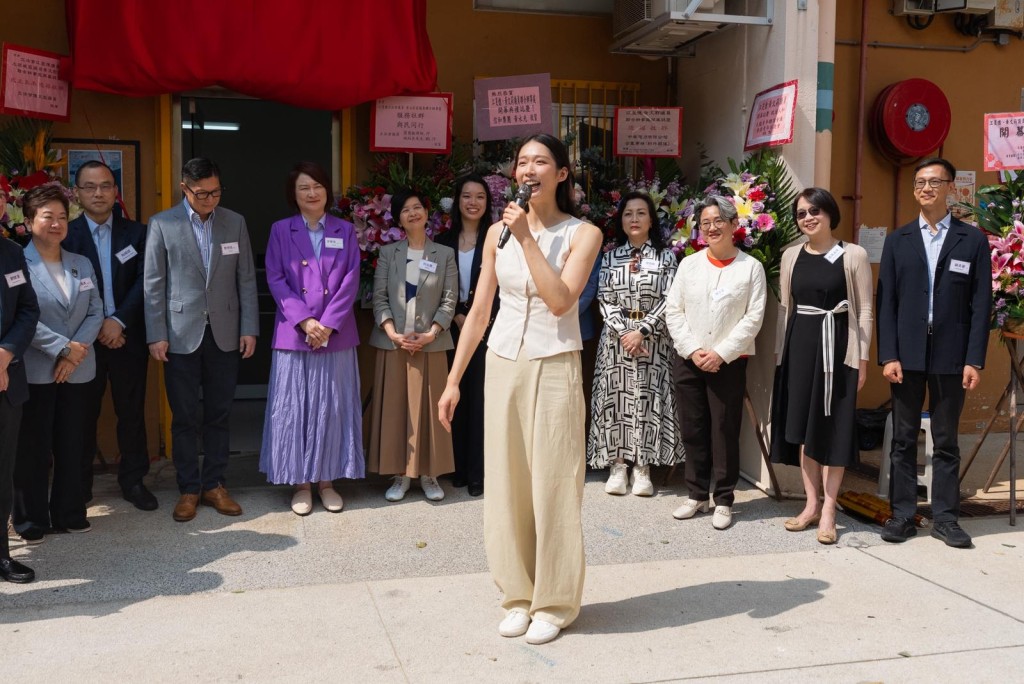
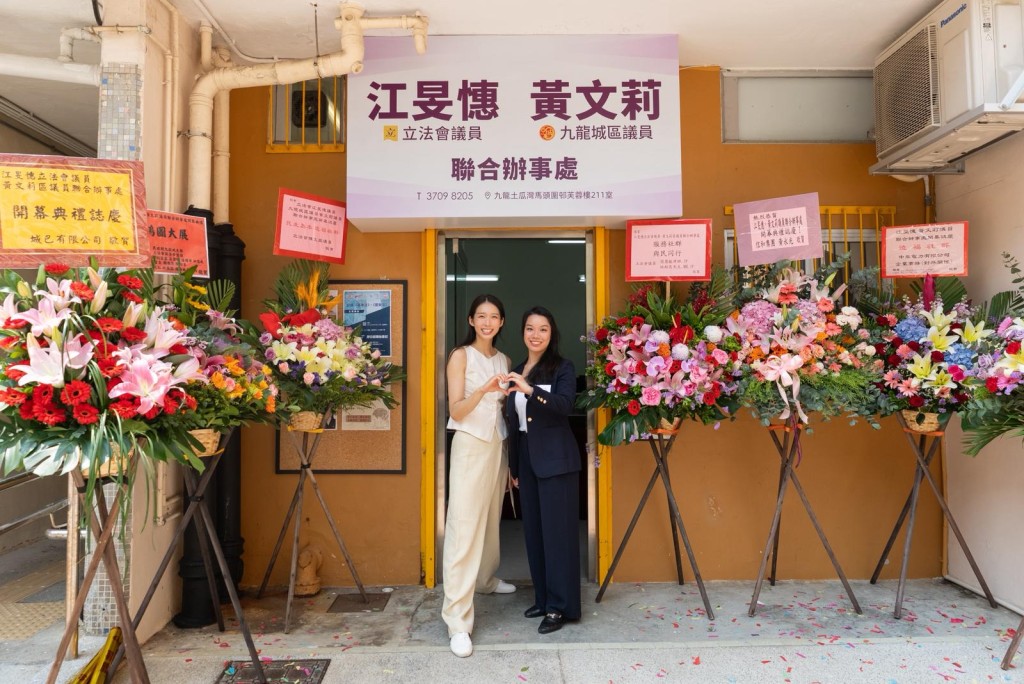
Since taking office, Kong’s performance has drawn attention among fellow lawmakers. At the opening of a district office she co-established with district councilor Vivian Wong Man-lei, Legislative Council president Starry Lee Wai-king praised her as hardworking and committed, noting her efforts in representing the tourism sector.
Liberal Party chairman Peter Shiu Ka-fai said Kong’s transition from elite athlete to legislator requires time to build experience in district work and policymaking, but described her as diligent in learning and possessing a solid foundation.
Tourism sector veteran Perry Yiu Pak-leung, who has worked alongside Kong in industry engagements, said her contributions focus on communication with stakeholders, while he continues to explore broader cross-sector tourism opportunities. He added that her speeches have become more substantive and that her confidence has grown.
Judy Chan case under review
In a separate development, New People’s Party lawmaker Judy Chan Kapui is facing disciplinary follow-up after being charged with careless driving following an incident in Wan Chai.
According to sources, the Legislative Council Supervisory Committee has completed discussions and is expected to impose a relatively minor penalty, likely at the level of a written warning or formal reprimand, with an announcement to be made at an appropriate time.