Read More










As Hong Kong prepares for the upcoming rainy season, the Drainage Services Department (DSD) is rolling out a new digital command center and specialized robots to enhance flood prevention and emergency response across the city.
The department's new smart drainage digital platform integrates real-time data from sources like the Hong Kong Observatory and the Lands Department's security camera network.
This system provides a comprehensive, city-wide view of the drainage infrastructure's status, allowing officials to monitor water levels and operational conditions instantly.
It can also display the precise locations of reported flooding incidents alongside the distribution of emergency teams, enabling faster and more coordinated deployment of resources to affected areas and allowing for pre-emptive action in flood-prone districts.
In addition to the digital overhaul, the DSD has introduced advanced crawler-type robots to perform inspections and maintenance inside the city's vast network of underground channels.
Co-developed with a mainland technology firm, these robots are equipped with laser scanning technology and can navigate over obstacles within the drains.
This allows them to inspect the internal structure of the channels, taking over tasks that would otherwise require personnel to work in hazardous and confined environments.
To bolster its on-the-ground presence, the department has also expanded its emergency response force to 200 teams, a number that will now be maintained year-round.
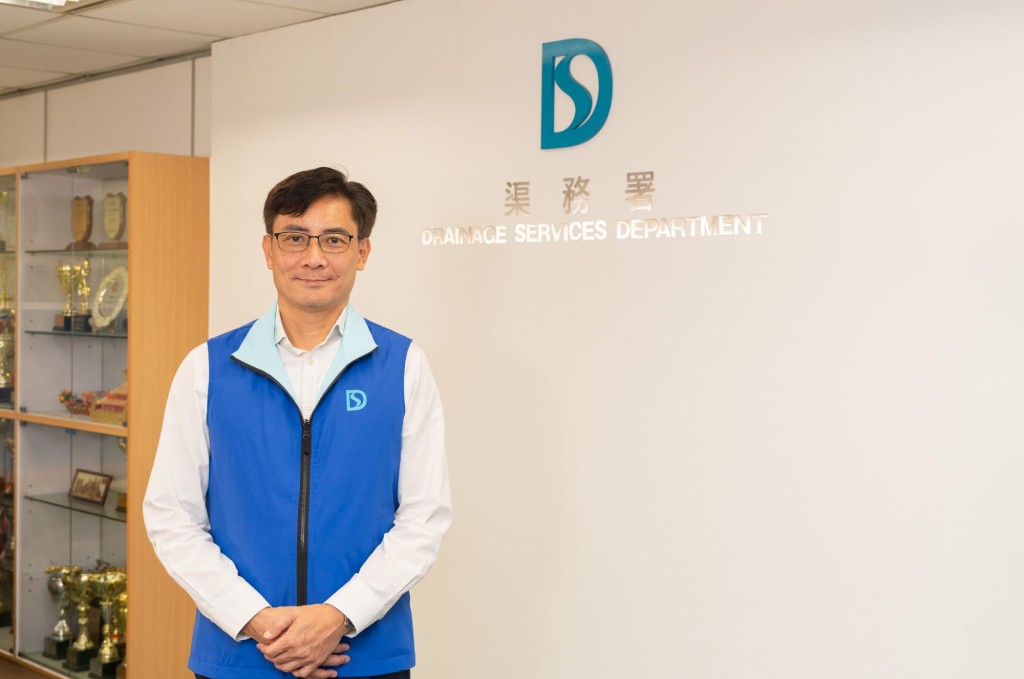
The Director of Drainage Services, Ringo Mok Wing-cheong, stated that the city is preparing for a typical year in terms of weather. Forecasts anticipate a normal annual rainfall of between 2,100 and 2,700 millimeters and a near-normal number of tropical cyclones, with four to seven expected to come within 500 kilometers of the territory.
However, he emphasized that the risk of sudden, heavy downpours in localized areas remains.
He affirmed the department's commitment to tackling these challenges by continuing to invest in and introduce more robotic technologies with diverse capabilities.