Read More




Night Recap - April 13, 2026
3 hours ago





Late Stanley Ho’s daughter Maisy Ho dies after battle with breast cancer
12-04-2026 14:53 HKT


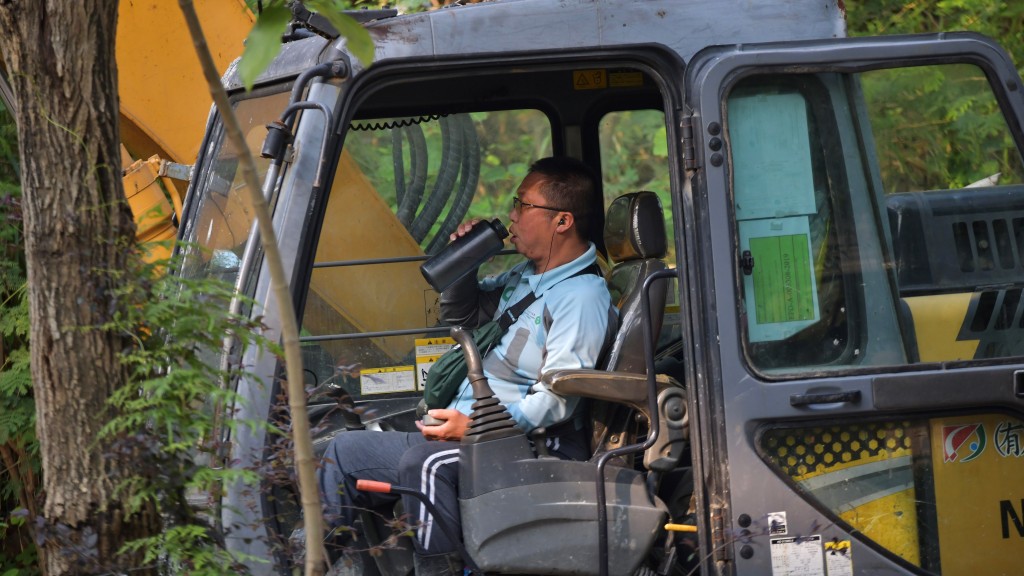
Hong Kong’s workplace heat warning system will be enhanced from April 20, with authorities expanding the number of monitoring locations for the city’s heat index to better reflect varying conditions across districts.
The Labour Department said the update builds on its “Heat Stress at Work Warning” system, which was introduced in May 2023 under the Guidance Notes on Prevention of Heat Stroke at Work. The system currently relies on data from the Hong Kong Observatory’s station at King’s Park.
Under the revised arrangement, the number of monitoring locations referenced will increase to 10. The department said that if four or more of the nine additional stations record heat stress levels reaching a certain threshold, a warning may still be issued even if readings at King’s Park alone do not meet the criteria.
The move comes after repeated calls from labor groups, which have long pointed out that heat conditions can vary significantly across different parts of the city.
The Observatory had previously operated heat index monitoring stations at King’s Park and Sheung Yue River, but has since expanded its network. Additional sites now include Wetland Park, Sha Tin, Chek Lap Kok, Happy Valley, Wong Chuk Hang, Kowloon Bay and Kau Sai Wan.
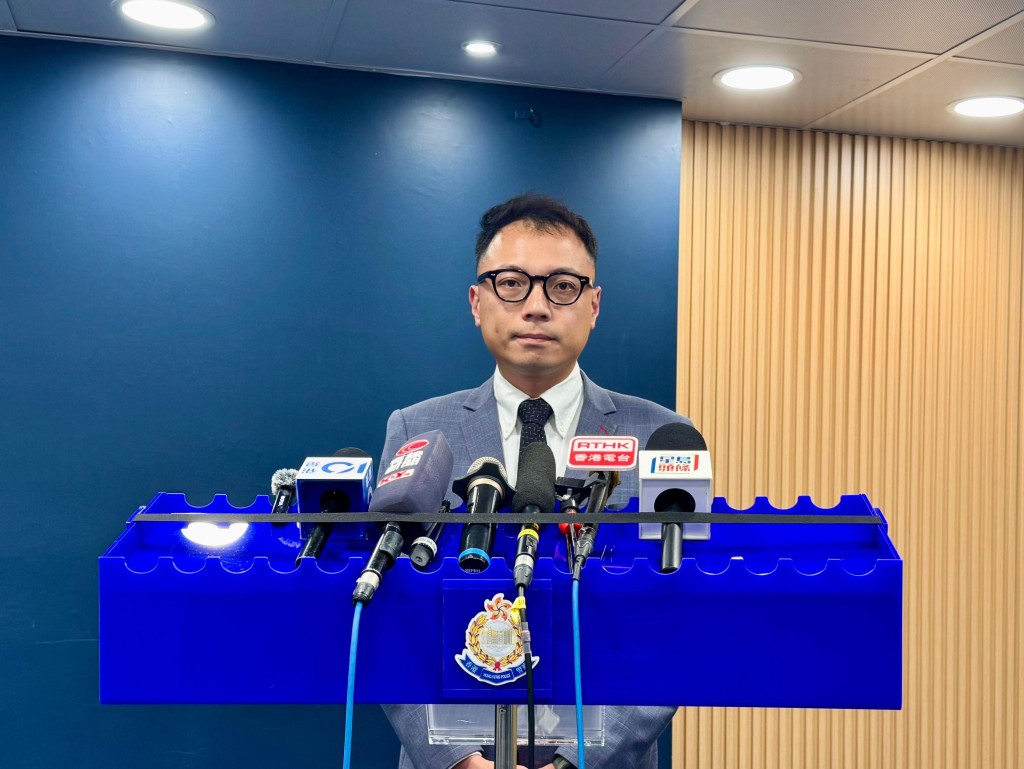
Deputy Commissioner for Labour in Occupational Safety and Health, Vincent Fung Hao-yin, said the system will continue to evolve as more data becomes available.
“The heat stress at work warning system is improved every year,” Fung said, adding that the department hopes to carry out deeper analysis as more data is collected so the system can continue to be refined over time.
When asked whether district-specific heat warnings could be introduced if large discrepancies between monitoring stations persist, Fung said the system remains based on Observatory data and will continue to improve gradually.
Separately, the Labour Department said it plans to pilot the use of technology in the second half of the year to assist inspections of high-risk confined space works, particularly in drainage projects.
Small robotic devices will be deployed to enter confined spaces to monitor levels of hazardous gases, detect sludge, and carry out filming and photography. The collected data will be used to generate three-dimensional models to support occupational safety inspections, accident investigations and evidence gathering.
Meanwhile, the official declined to comment on whether drone inspections had been used at Wang Fuk Court, where a major fire is under investigation, citing the ongoing inquiry. He also side-stepped questions regarding the department’s 16 inspections that failed to address complaints about workers smoking at Wang Fuk Court.
Fung said since October last year, drones have mainly been used for remote monitoring of unsafe construction practices and accident investigations, and that the department will fully cooperate with relevant probes.