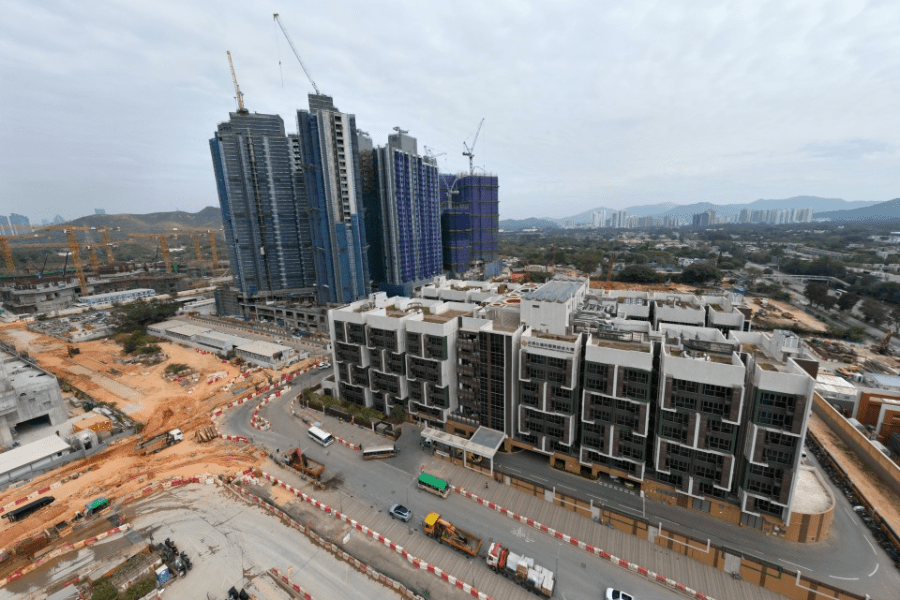
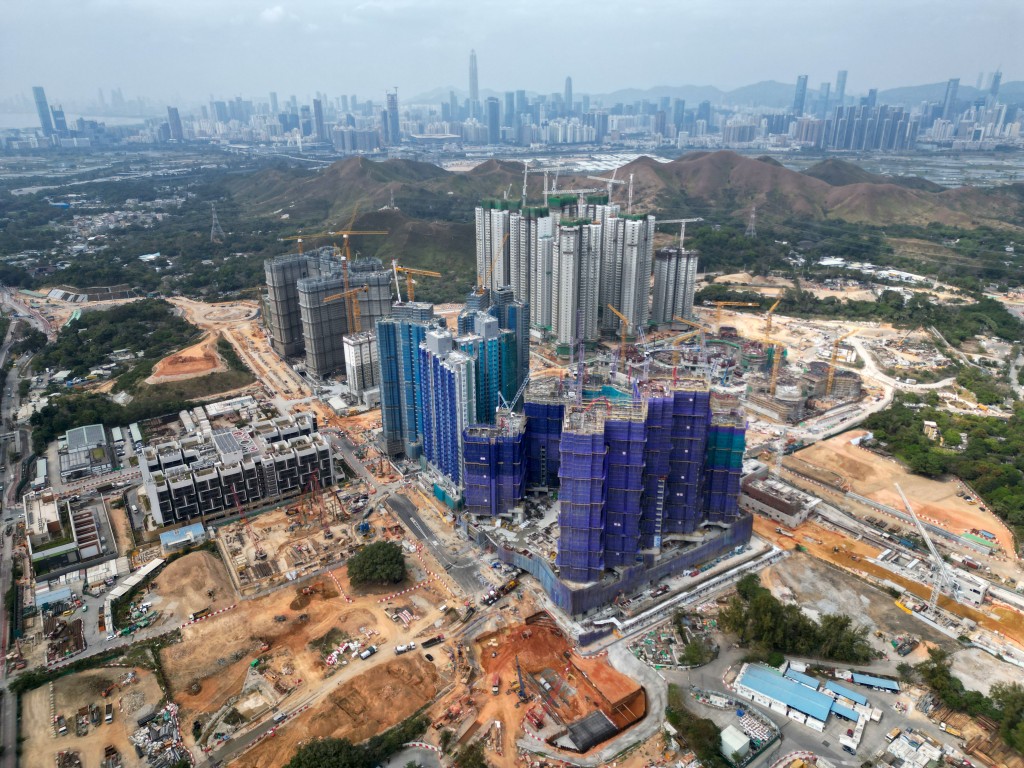
With the government pushing ahead with proposals for a new sports complex in Kwu Tung North to boost the city's sports development, industry stakeholders have expressed mixed reviews.
According to a document submitted by the Leisure and Cultural Services Department, the joint-used complex at Area 29, Kwu Tung North, will feature two international-standard facilities: a fencing hall and a competition-level swimming complex.
The proposal aligns with an initiative from the 2023 and 2024 Policy Address to support the development of both fencing and swimming in the city.
The complex is expected to provide dedicated fencing training and competition facilities for both local events and international tournaments, as well as facilities for professional and school training.
It will also feature two multi-purpose halls for indoor racket sports, including the increasingly popular pickleball.
Notably, the LCSD has upgraded the originally planned public pool to an international competition-level swimming complex — which will be open to the public outside of competition hours.
Location concerns remain
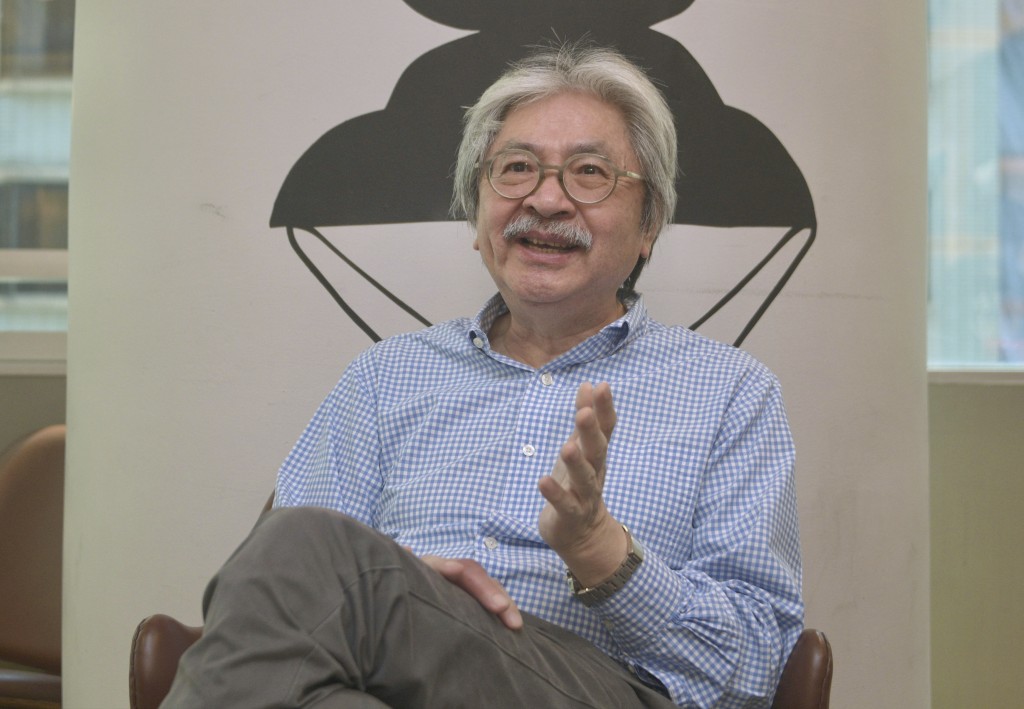
While showing support for the new sporting facility, former Financial Secretary and fencing coach, John Tsang Chun-wah raised concerns about the remote location.
(File photo)
“It’s better to have a venue than none,” he said. “"But fencing does not require a whole building. What matters more is accessibility. It will be tough for students to travel to the Northern Metropolis every day."
Highlighting fierce competition over limited venues among schools, he recalled a recent tournament that took four days to finish, instead of just a few hours.
When asked whether the new facility could ease the shortage of competition venues, Tsang noted that it depends on the venue's layout — including its spectator stands and warm-up areas.
Industry calls for all-round support for the venue
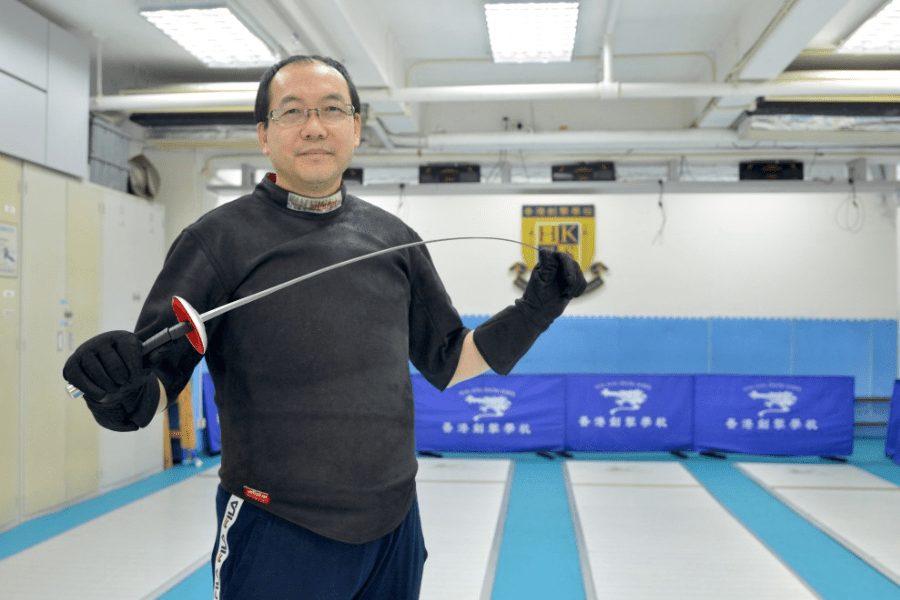
Wong Tsan, principal of the Hong Kong Fencing School, welcomed the proposal as an important step to address Hong Kong’s training-space gap— especially since training mainly relies on private clubs or temporary set-up of public venues.
(File photo)
Noting that an international fencing venue requires at least 20 pistes, changing rooms, and four basketball courts of space, Wong warned that without nearby hotels, it would remain difficult to position the venue as a city-wide training base.
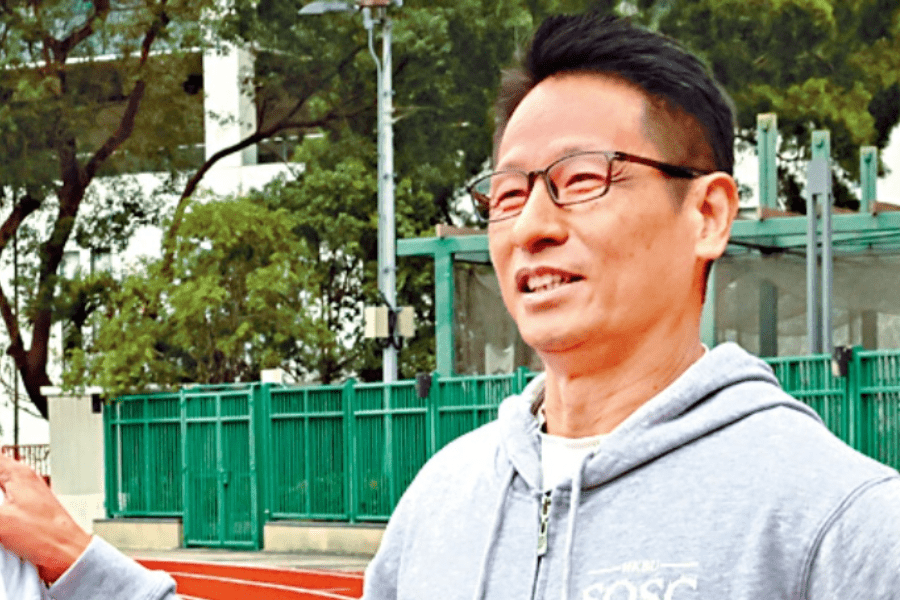
Echoing similar sentiment, Patrick Lau Wing-chung, a professor with the Department of Sport and Health Sciences of Hong Kong Baptist University, called for a complete training system for the venue, including transportation, mental training, and rehabilitation facilities.
(File photo)
He advised authorities to study the Hong Kong Velodrome in Tseung Kwan O to guide training, transport, and accommodation planning for Kwu Tung North.
Lawmaker Yiu Ming supports the proposal, highlighting that the swimming venue will be near the future MTR Northern Link's Kwu Tung Station, while the fencing hall will be about a ten-minute walk away.
He also suggested building a large football stadium in the north to host major matches and concerts to draw mainland audiences.