Read More
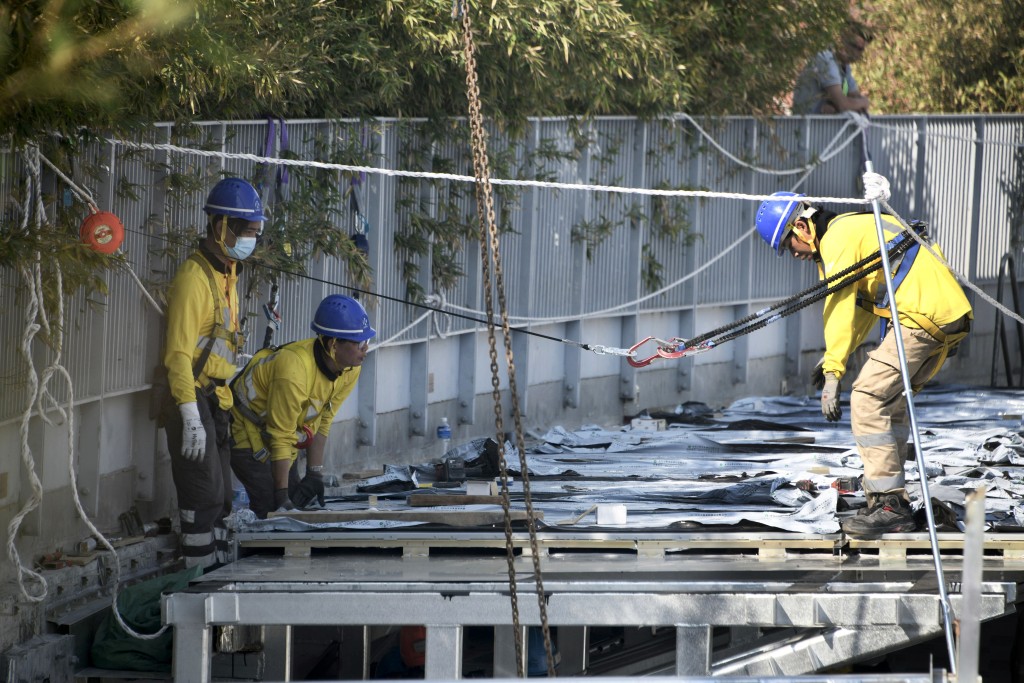
In a significant push for workplace safety following the Tai Po fire, the government has clarified that a proposed total smoking ban at construction sites will extend to scaffolding, building exteriors, and renovation projects.
ADVERTISEMENT
SCROLL TO CONTINUE WITH CONTENT
Secretary for Labour and Welfare Chris Sun Yuk-han detailed the scope of the legislative amendments during a radio program on Saturday, explaining that the ban aims to eliminate fire hazards in high-risk environments.
While the new rules will not apply to occupied flats undergoing minor maintenance, any unit that has been vacated for renovation—where only workers have access—will fall under the strict no-smoking mandate.
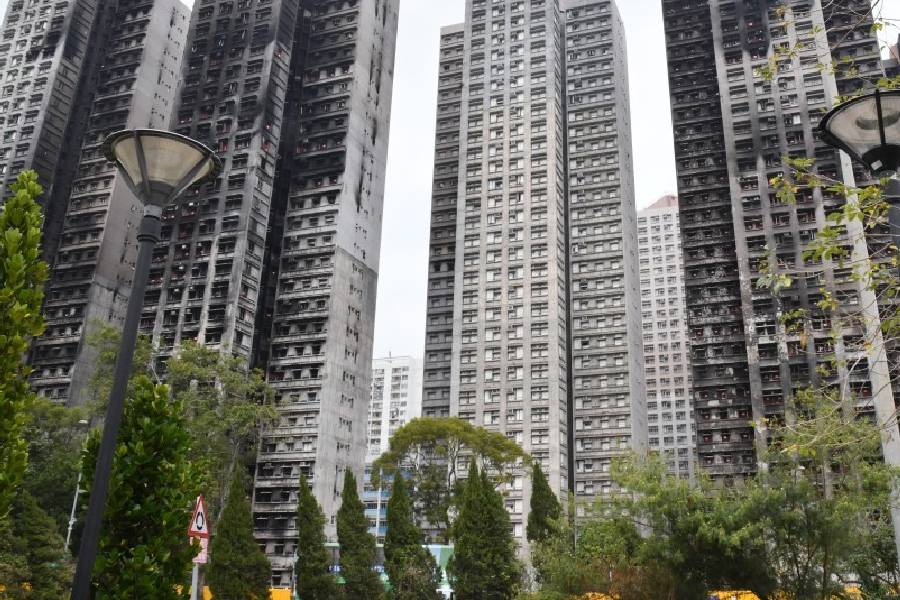
The move follows a powerful social consensus for reform after a devastating five-level inferno at Wang Fuk Court in Tai Po last November, which claimed 168 lives and was linked to construction-related fire risks.
Addressing concerns from the industry regarding the proposed HK$400,000 maximum fine for contractors, the secretary emphasized that the government intends to be "reasonable" in its enforcement.
Authorities will not prosecute blindly but will look for evidence that a site manager has failed to take "reasonable steps" to prevent smoking. For example, if inspectors find cigarette butts scattered throughout a site, it would serve as justifiable grounds for a penalty.
Conversely, if a contractor can demonstrate they have implemented preventative measures, such as clear signage or monitoring, they may not be held liable for isolated incidents.
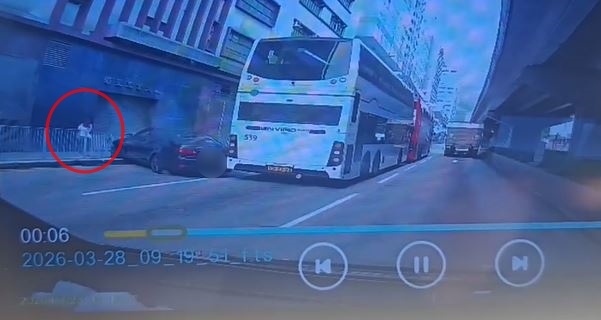
Beyond on-site inspections, the government plans to use reports from the public and video evidence to bolster its enforcement efforts. Even if no one is caught in the act during a spot check, contractors could still face prosecution if multiple complaints or visual proofs suggest a systemic failure to maintain a smoke-free site.
For the residents of the seven buildings at Wang Fuk Court still grappling with the aftermath of the blaze, the secretary confirmed that "one-on-one" social worker support will continue as they begin returning to their homes in stages next month to retrieve their belongings.