Read More
The use of makeshift openings in stairwell windows at Tai Po’s Wang Fuk Court came under scrutiny on Friday, as the fire inquiry heard that flammable materials may have breached fire safety regulations and allowed smoke to spread rapidly during the blaze.
ADVERTISEMENT
SCROLL TO CONTINUE WITH CONTENT
On the second day of hearings, the committee's senior counsel, Victor Dawes, revealed that contractors had been instructed to create so-called “openings” at every five floors to facilitate worker access to external scaffolding.
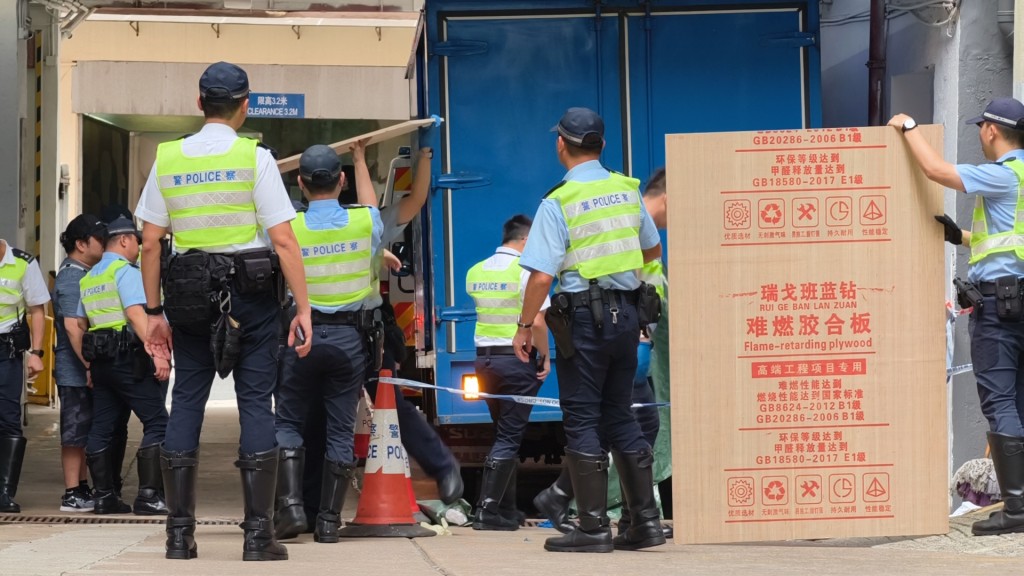
These openings, formed by removing stairwell windows, were initially constructed with aluminum composite panels but were later replaced with wooden boards after durability issues.
Evidence presented suggested that many of these openings were left largely exposed, creating direct pathways for smoke to enter fire escape staircases during the fire. It was argued that the use of wooden boards as temporary doors could have violated multiple fire safety regulations.
The hearing also examined the role of the Housing Bureau’s Independent Checking Unit (ICU), which had reviewed the works through a document-based sampling system without conducting on-site inspections. As a result, the alterations were not flagged during the approval process.
Counsel questioned why the unit failed to identify potential violations even from submitted photos, which reportedly showed the wooden structures clearly. In response, officials indicated that the document review checklist focused on whether photos were clear, rather than assessing compliance issues in detail.
The inquiry further heard that the Labour Department did not intervene, citing that stairwell structures fell under the jurisdiction of building and fire authorities, and that it lacked the technical expertise to assess such matters.
The committee is now examining whether the reliance on contractor self-reporting and limited document checks exposed systemic gaps in oversight, and whether stricter verification mechanisms should have been in place to prevent potential fire hazards.