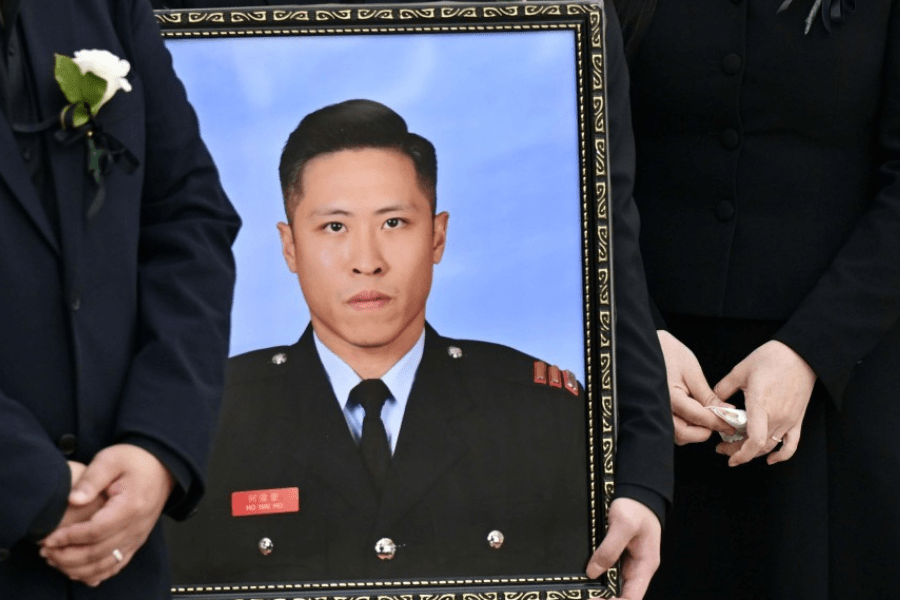
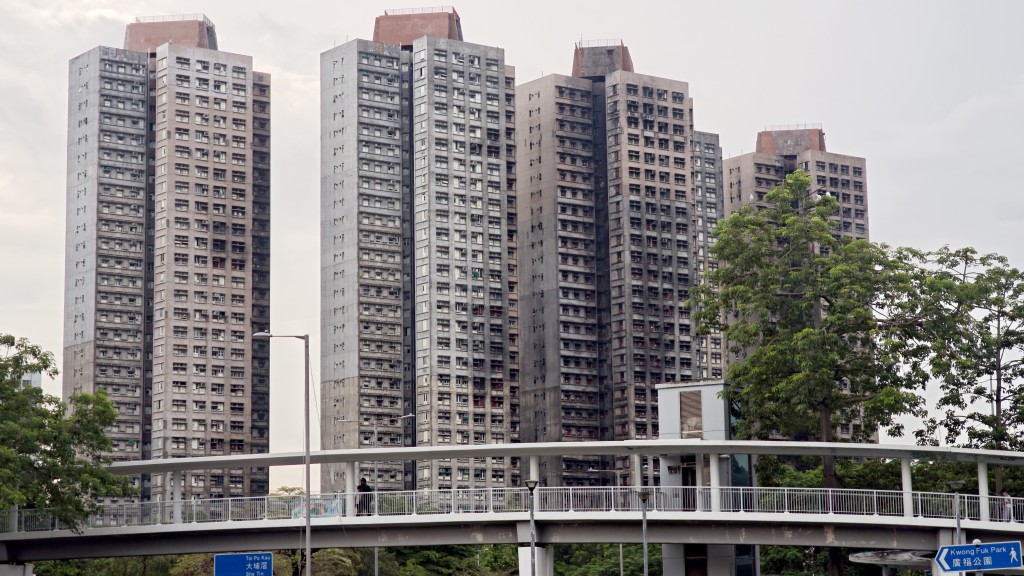
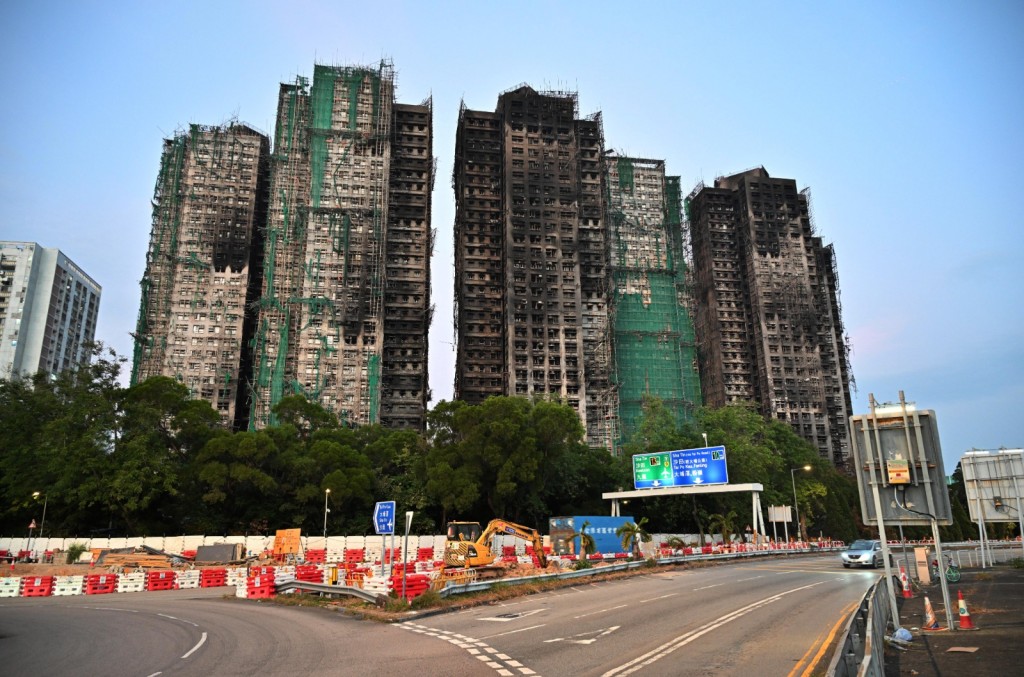
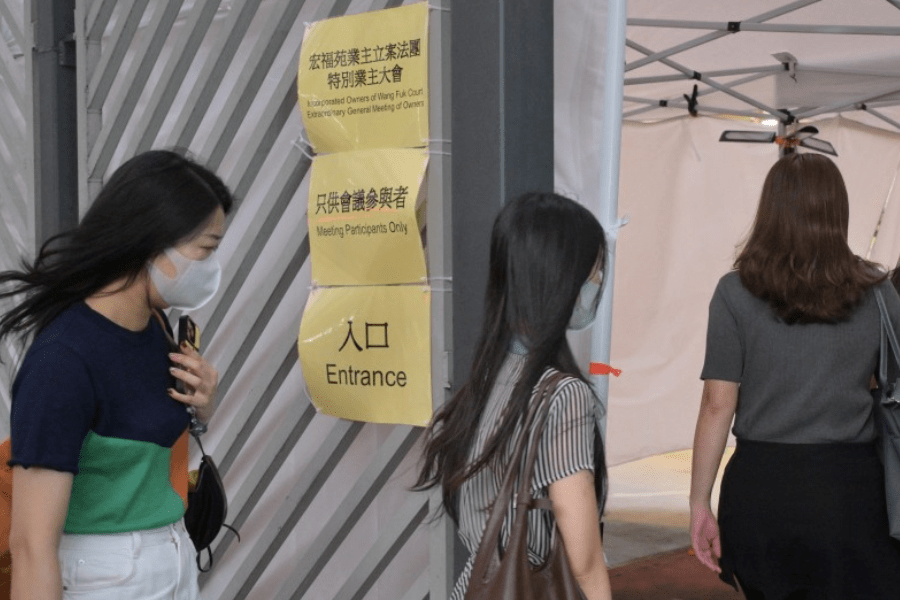
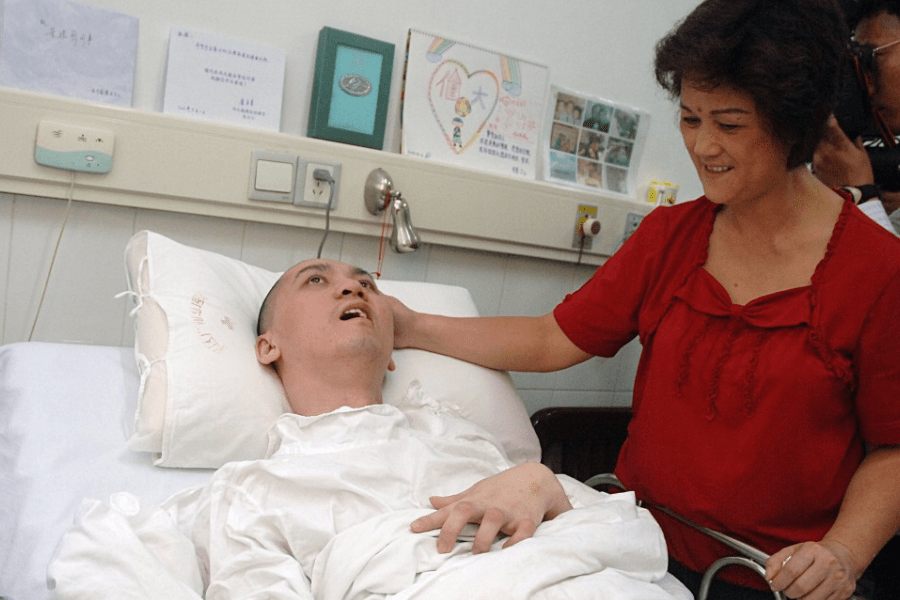
The first public hearing into the Wang Fuk Court fire, held on Thursday, revealed that deceased firefighter Ho Wai-ho may have tragically fallen to his death after entering the wrong building due to the extreme conditions during the rescue operation.
The revelation came on the opening day of the inquiry into the deadly blaze that claimed 168 lives in November 2025.
Speaking at the hearing, the committee’s lead barrister, Victor Dawes, stated that Ho, 37, was among the first firefighters dispatched to the scene on November 26, 2025, to carry out a rescue operation.
Ho and two colleagues were initially assigned to the 27th floor of Wang Cheong House, but CCTV footage showed that, due to the chaotic situation, they inadvertently entered Wang Tai House instead.
The hearing further revealed that Ho was last seen exiting a lift alone at around 3.15pm on the 25th floor, preparing to conduct rescues. However, Ho later issued a "Mayday" call just seven minutes later, reporting that he was trapped on the 30th floor but was unable to specify which building he was in.
A little over ten minutes later, Ho was found collapsed in a public area outside Wang Tai House, without his face mask, gloves, or hammer. He was later pronounced dead at the hospital.
Forensic evidence showed that Ho suffered severe facial burns, multiple fractures, and shock from carbon monoxide inhalation.
While the exact circumstances of the fall are still under investigation, Dawes suggested that Ho likely encountered extremely hazardous conditions inside Wang Tai House. He speculated that Ho removed his breathing apparatus and broke a window on the 31st floor in an attempt to escape before falling to his death.
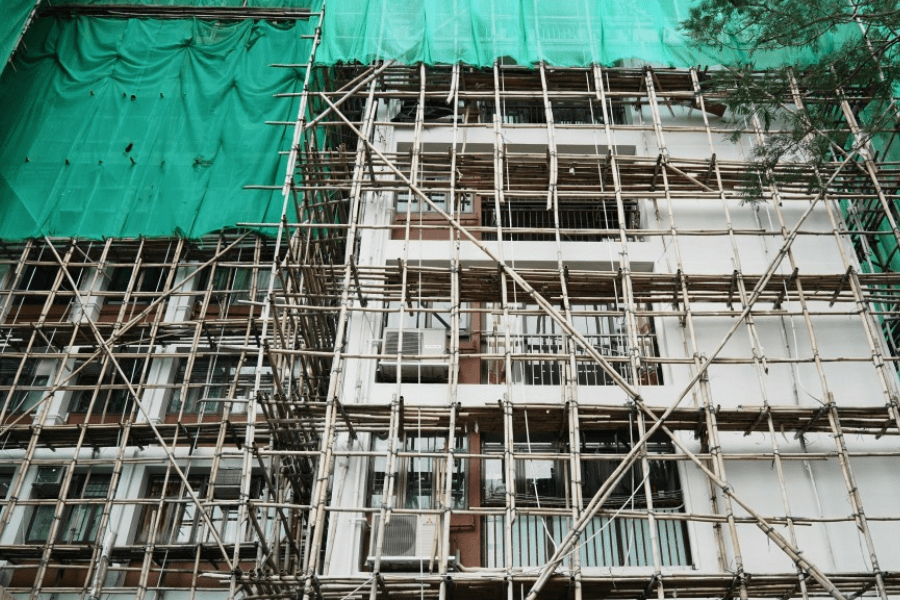
The investigation also revealed that fire alarms failed to activate in all but two blocks—Wang San House and Wang Yan House. Additionally, most of the fire hoses were disabled, and water tanks had been emptied across Wang Fuk Court.
Survey results showed that only 40 households were alerted to the fire through the alarms.
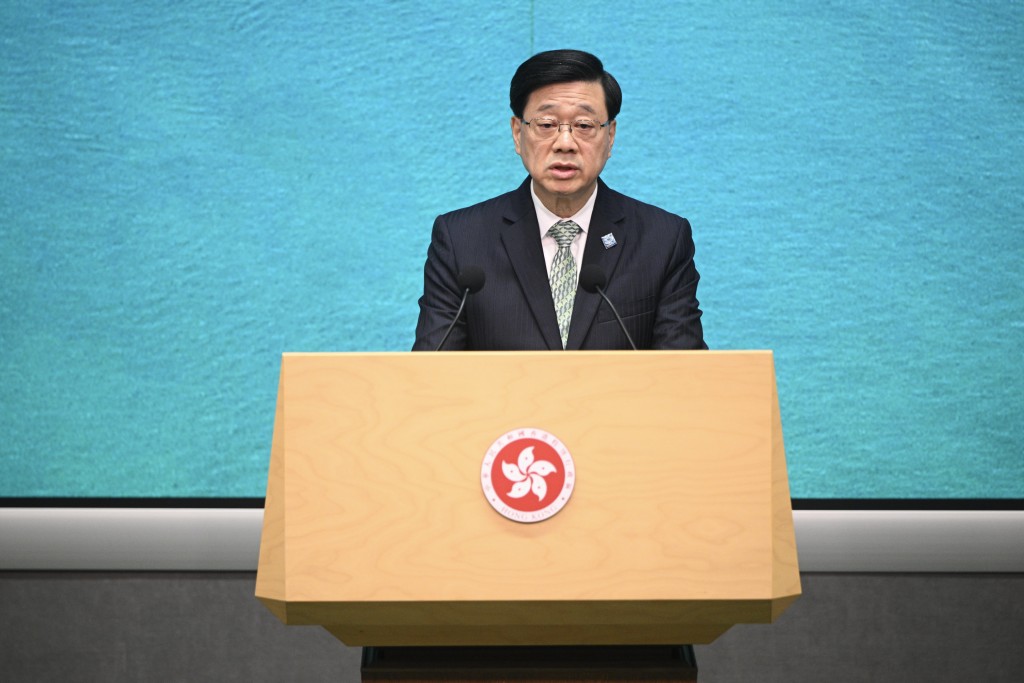
Dawes affirmed that the government's decision not to activate the Emergency Alert System—citing inapplicable criteria—would be scrutinized by the committee.
In regard to emergency call handling, Dawes noted that while police typically coordinate with fire services via three-way calls, investigations revealed that callers experienced wait times of up to four minutes, potentially delaying evacuation and firefighting efforts.
With the rapid spread of the fire, the operation saw the deployment of 174 fire engines and over 900 firefighters. A total of 406 emergency calls were received, with 111 of them coming in between 3pm and 4pm alone.
The first round of eight hearings is scheduled to run until April 2.