Read More














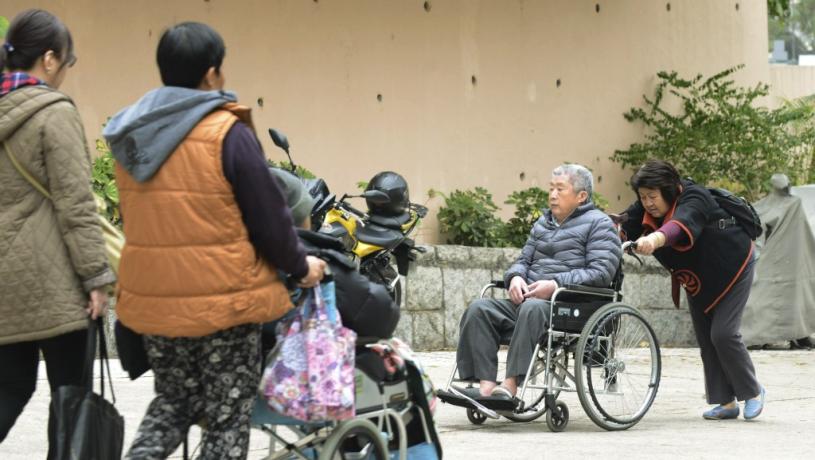
About one in five caregivers of people recovering from mental illness have experienced suicidal or self-harm thoughts, according to a recent survey conducted by Tung Wah Group of Hospitals and the University of Hong Kong.
The survey, carried out between May and August last year through an online questionnaire, gathered responses from about 1,150 members of the public, including 885 caregivers of people in mental health recovery.
The findings showed that 20 percent of caregivers reported having had suicidal or self-harm thoughts, a proportion significantly higher than the 15.3 percent recorded among Hong Kong’s general population.
In addition, 13 percent of respondents said they had at some point thought about harming the person they were caring for.
The survey was jointly conducted by the “Take a Break” Carer Resource Centre of Tung Wah Group of Hospitals and the Department of Social Work and Social Administration at the University of Hong Kong.
Paul Wong Wai-ching, an associate professor in the department, said the mental health condition of caregivers was a cause for concern.
“The mental health condition of caregivers is quite worrying,” Wong said, adding that mental health indicators were significantly correlated with both caregiving burden and levels of depression, reflecting the intense psychological pressure faced by many caregivers.
The survey also found that 66 percent of caregivers reported experiencing a high caregiving burden, with the average caregiver stress score falling within the severe burden range.
Around 60 percent of caregivers showed signs of mild depression or above, indicating widespread emotional strain among those supporting people recovering from mental illness.
In terms of support needs, nearly 70 percent of caregivers said they hoped to learn better ways to interact with the people they care for. Fewer than half expressed interest in using emotional support hotlines, while about 35 percent said they needed day-care services or temporary respite care to help maintain a balance between work and personal life.
The research team suggested developing localized assessment tools to systematically identify caregivers at risk of self-harm or harming family members.
They also recommended establishing a rapid referral mechanism that could connect caregivers to emotional support and crisis intervention services.
Other recommendations include promoting the digitalization and wider dissemination of mental health information, integrating resources on online platforms and social media, and encouraging caregivers to make better use of existing support services.