Read More




Night Recap - October 23, 2026
15 hours ago





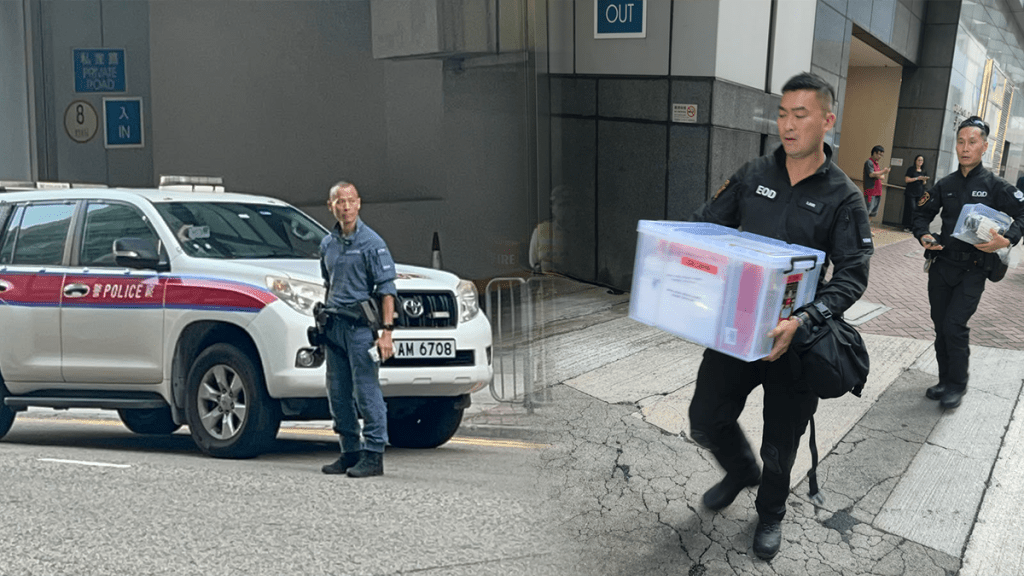
Late police constable Chu Chun-kwok to receive full honors funeral on Fri
22-10-2026 15:33 HKT

Kyle Kennedy, granddaughter of Robert F. Kennedy, dies at 42
22-10-2026 04:11 HKT


Rising global oil prices triggered by tensions in the Middle East are placing mounting pressure on Hong Kong’s transport sector, with minibus drivers reporting significant drops in income and warning that fare increases may become unavoidable if fuel costs continue to surge.
Industry representatives say the recent spike in fuel prices has already cut drivers’ monthly earnings by more than HK$1,000, while lawmakers have urged the government to consider temporary relief measures, including a reduction in fuel duty, to ease the burden.
Cheung Hon-wah, chairman of the Public Light Bus Owner and Driver Association, said diesel prices have climbed from about HK$26 per liter to more than HK$30 in recent months, significantly increasing operating costs for diesel-powered minibuses.
The rise means drivers now spend an additional HK$60 to HK$70 per shift on fuel, Cheung said. Liquefied petroleum gas (LPG) minibuses have also been affected, with LPG prices at dedicated stations rising by about HK$0.30 per liter, adding more than HK$20 to daily costs for drivers. At non-dedicated stations, the increase has reached around HK$0.40 per liter, pushing the extra cost to about HK$30 per shift.
Cheung estimated that the price at dedicated LPG stations could rise by another HK$0.50 to HK$0.60 in April, bringing the total increase since the start of the year to roughly HK$1 per liter.
“Drivers are losing more than HK$2,000 a month. They only earn a little over HK$10,000 a month, so the impact is huge,” he said.
The situation has left the industry in a difficult position. Passenger numbers have remained weak, particularly during nighttime hours, Cheung said, meaning drivers are struggling to offset the higher fuel costs.
He acknowledged that raising fares could risk driving passengers away, given the intense competition from other transport options such as the MTR and buses.
“If fares go up, passengers will leave because competition is very fierce,” Cheung said.
However, he warned that if fuel prices rise further beyond what drivers can absorb, the industry may have little choice but to increase fares.
Even then, Cheung said operators would try to avoid passing the full cost onto passengers. On shorter routes with low fares, small increases might go unnoticed.
“If the increase is very small, passengers might not notice. Some routes charge around HK$5, so adding twenty or thirty cents may not be obvious,” he said.
But for longer routes that already cost more than HK$20, operators are cautious about raising fares for fear of losing customers.
While Cheung said government support would be welcome, he acknowledged that assistance could be difficult because red minibus drivers are generally self-employed, making their actual earnings hard for authorities to verify.
Separately, some green minibus operators have suggested introducing a fuel surcharge mechanism to help offset rising operating costs, noting that the current fare adjustment process is lengthy and complicated.
Meanwhile, Roundtable legislator Mark Chong Ho-fung said the sharp rise in oil prices has particularly affected commercial vehicles and vessels, placing heavy pressure on their daily operations.
He suggested the government consider setting up an emergency fund to support drivers of commercial vehicles and operators of commercial vessels during the current period of high fuel prices.
Chong said the surge in oil prices may only be temporary and that such assistance could serve as a short-term relief measure until prices stabilize.
He also dismissed concerns that financial support would effectively amount to subsidizing drivers.
“If the government does not step in, the fuel cost will eventually be passed on to the public through immediate fare increases,” he said.
In the longer term, Chong said Hong Kong should encourage more commercial vehicles to transition to electric vehicles, which would help reduce exposure to future fuel price volatility.
Another lawmaker, Steven Ho Chun-yin of the Democratic Alliance for the Betterment and Progress of Hong Kong, urged the government to ensure transparency in energy supply information so that both the public and industry stakeholders can understand whether fuel price increases are justified.
Ho said the government should clarify whether Hong Kong’s fuel reserves remain sufficient and whether price increases reflect genuine supply constraints or other cost factors.
He also noted that sectors such as fishing, which rely heavily on fuel, have already been affected by rising prices.
As a short-term relief measure, Ho suggested the government consider adjusting fuel duty, noting that Hong Kong’s fuel tax is relatively high.
“If the government can moderately lower fuel duty in the short term, it could help ease the immediate impact,” he said.
Ho added that while fuel duty was originally designed to help control the number of vehicles on the road, the current surge in fuel prices is already affecting the cost of living, making temporary adjustments worth considering.
Looking ahead, he said Hong Kong should work toward diversifying fuel supply sources and strengthening the development of new energy alternatives to reduce reliance on traditional fuels.