Kowloon Motor Bus (KMB) said it will study whether to apply for a fare increase in the coming year, stressing that a stable financial foundation is essential to ensure the company’s sustainable development.
Speaking at a media luncheon, the operator said it is considering a "basket of factors" in evaluating a potential fare adjustment, as it seeks to optimize services and facilities in response to changing passenger travel patterns.
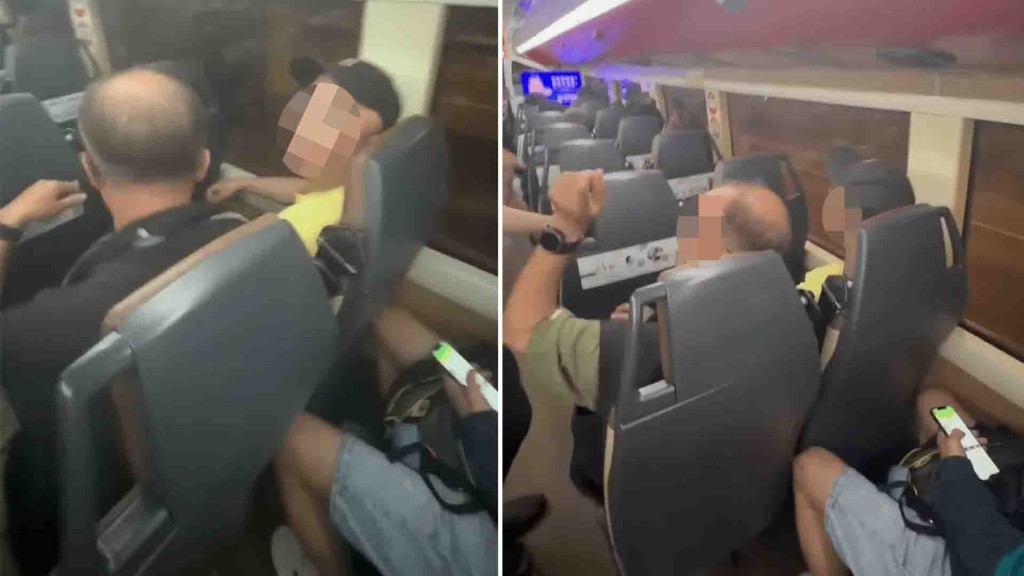
Addressing the controversial regulation requiring seatbelt use on buses, KMB said it has received a noticeable increase in public inquiries. More than 40 inquiries were recorded within the first few days of enforcement, compared with only sporadic queries previously.
The company reiterated that 60 percent of its fleet is currently equipped with seatbelts.
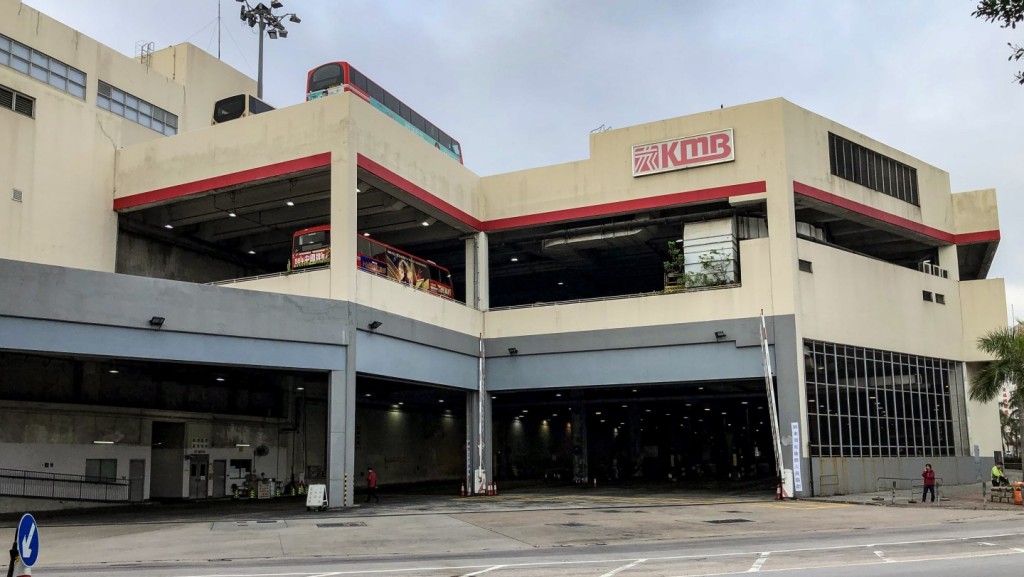
As part of its fleet electrification strategy, KMB is trialing the opening of its depot charging stations to public electric vehicles.
The company operates 150 charging piles across four depots. Charging facilities at its Lai Chi Kok Depot have been open for a public trial since the first day of the Lunar New Year.
However, to prioritize bus operations, KMB said public access will mainly be available during daytime hours, with no overnight charging service.
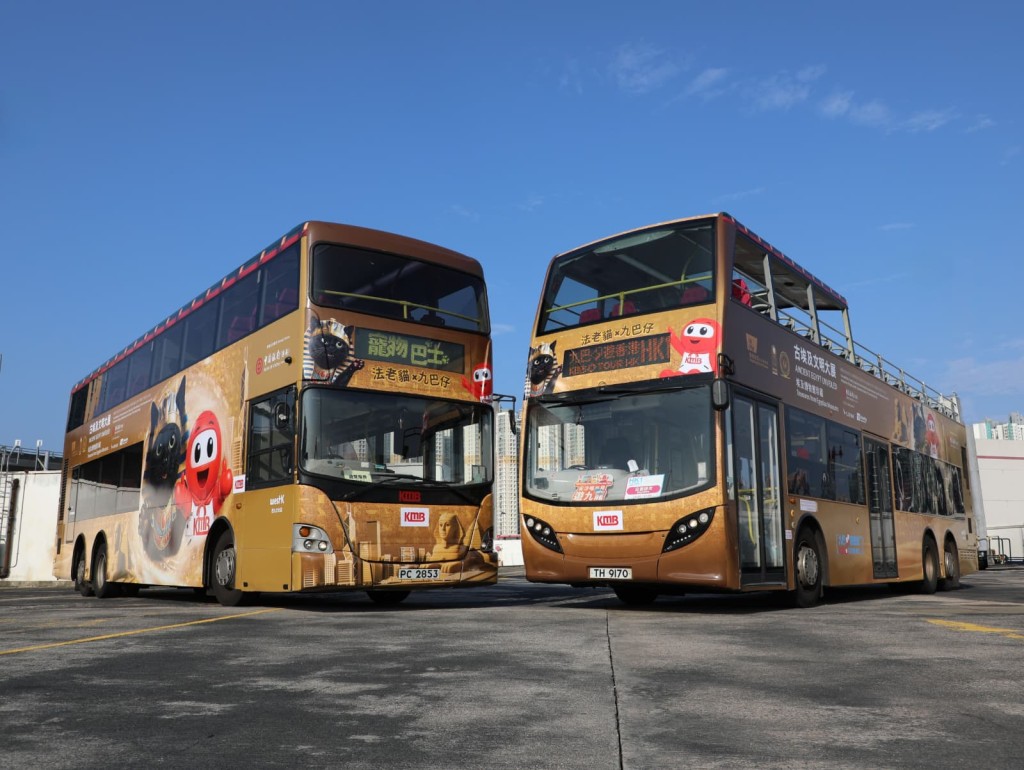
KMB’s open-top sightseeing route HK1 recorded peak passenger numbers during the Chinese New Year period.
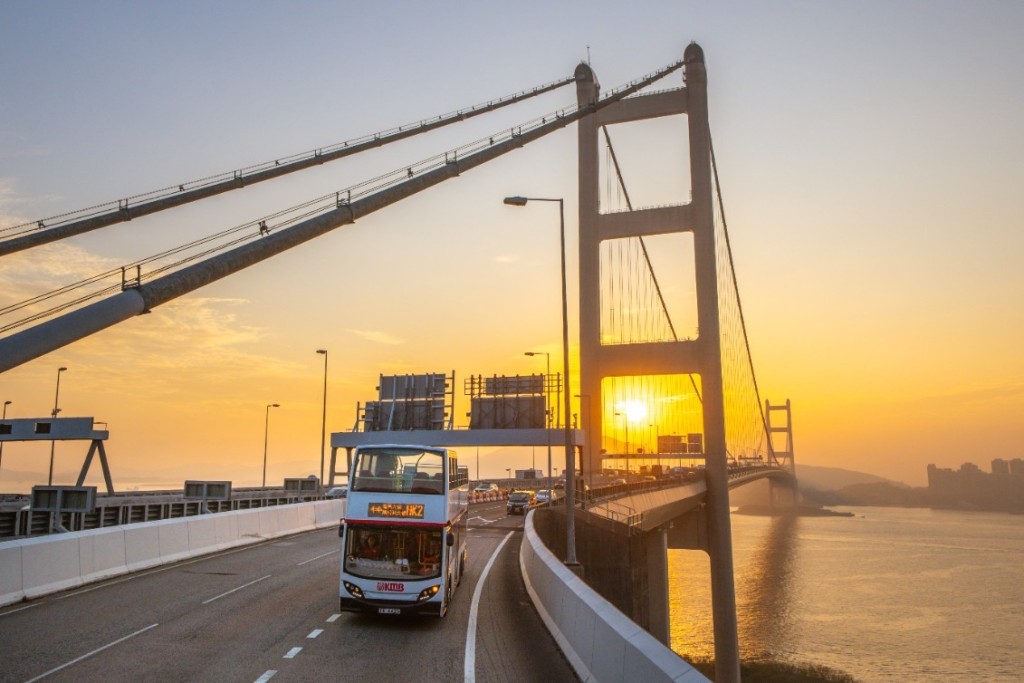
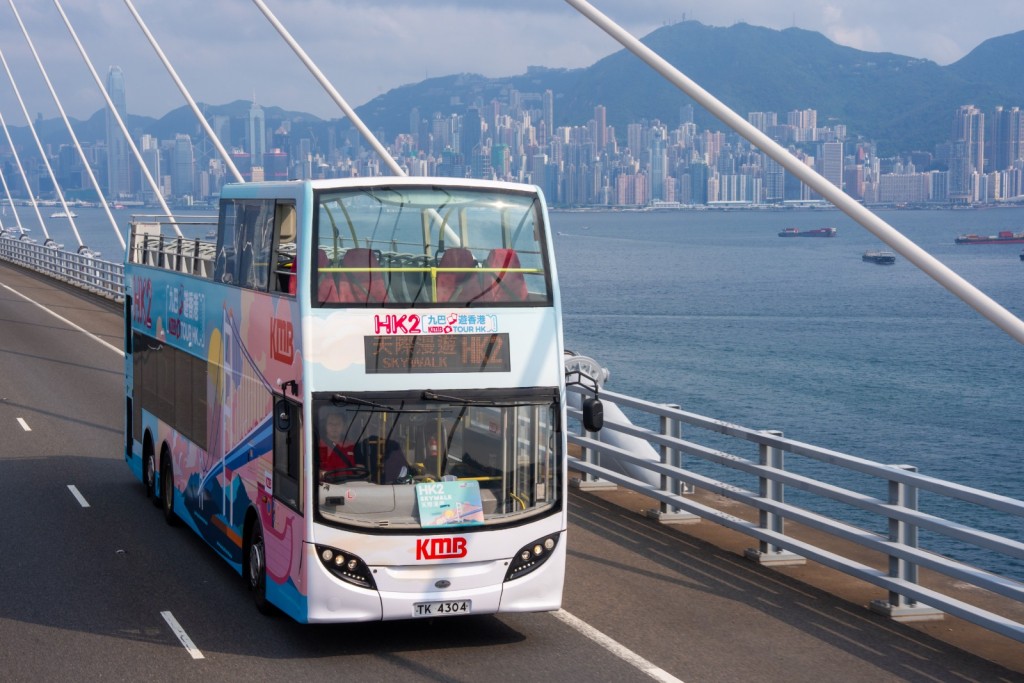
The company is also planning to launch a new sightseeing route, HK2, which is expected to pass through major tourist areas including Tsim Sha Tsui and the West Kowloon High-Speed Rail Station.
KMB added that since the opening of the Yau Ma Tei section of the Central Kowloon Bypass last December, five routes that were diverted to use the new road have seen travel times reduced by around 20 minutes — approximately a 20 percent decrease.