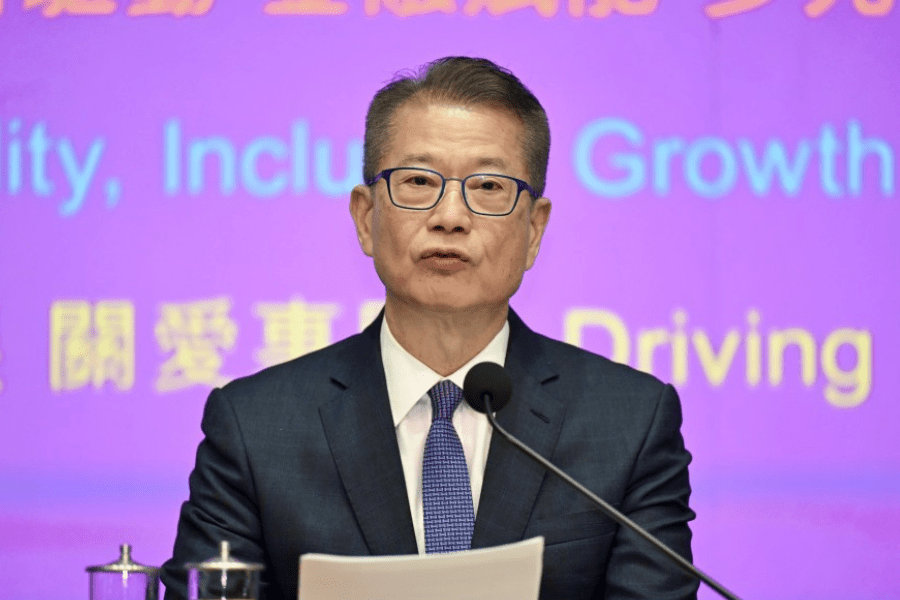
Hong Kong will introduce trial projects, including the unmanned aircraft traffic management system, in phases from the first half of this year to support the city’s low-altitude economy, Financial Secretary Chan Mo-po announced.
Chan noted that the low-altitude economy is a new engine for smart city development and integration. The government has completed the first stage of legislative amendments and will refine the civil aviation framework to establish a competitive low-altitude economy system.
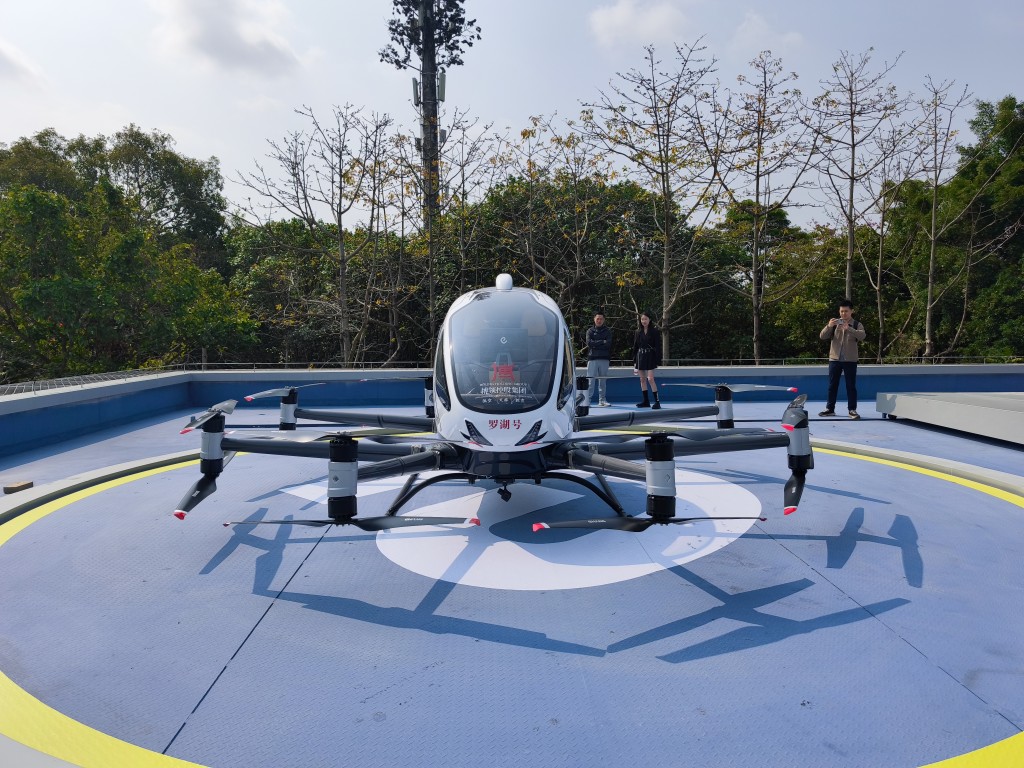
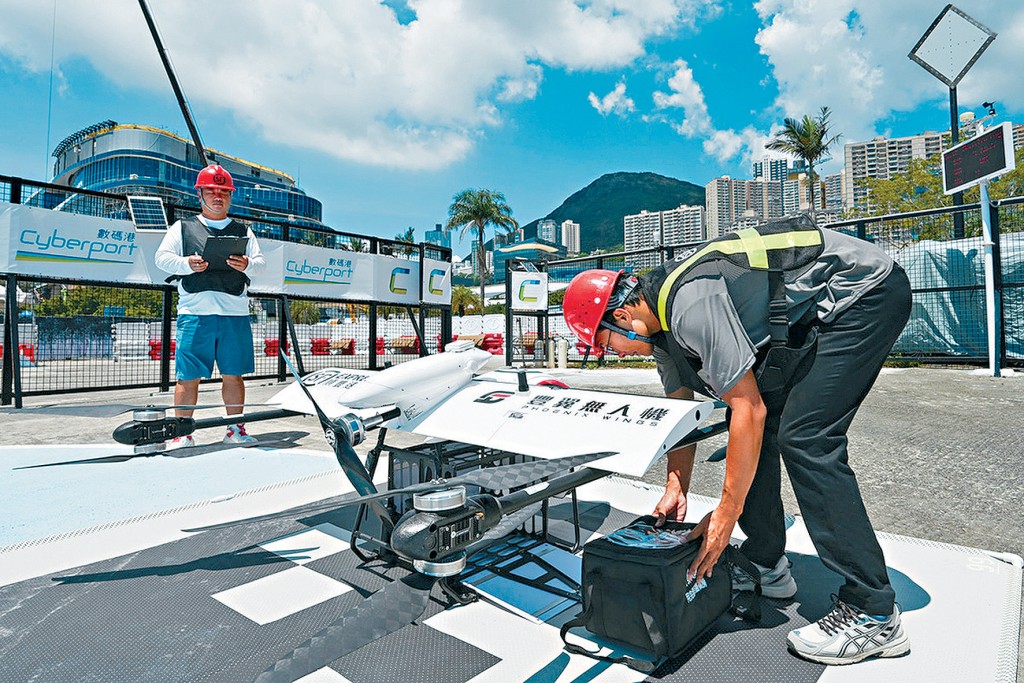
He said trial projects for the unmanned aircraft traffic management system, multiple users shared platforms, cross-boundary routes, and passenger‑carrying flying aircraft will begin in phases this year.
He added that the government is collaborating with the mainland authorities to commence trial flights on cross-boundary low-altitude logistics.
The government has also requested the Hong Kong Exchanges and Clearing Limited to review listing requirements to encourage aerospace companies to list in the city.
On aerospace development, Chan noted that a multi‑functional lunar surface operation robot developed by the Hong Kong Space Robotics and Energy Centre, established under InnoHK, has entered the spacecraft prototype testing phase.
He said the Innovation and Technology Fund (ITF) has allocated over HK$100 million to support six university R&D projects. Notably, the “CUHKSat-1” satellite, developed by the Chinese University of Hong Kong with ITF support, has been successfully launched.
Chan said low-earth orbit satellites will aid the growth of high-end industries. The government will actively enhance telecommunications infrastructure, simplify licensing requirements and promote future 6G applications.