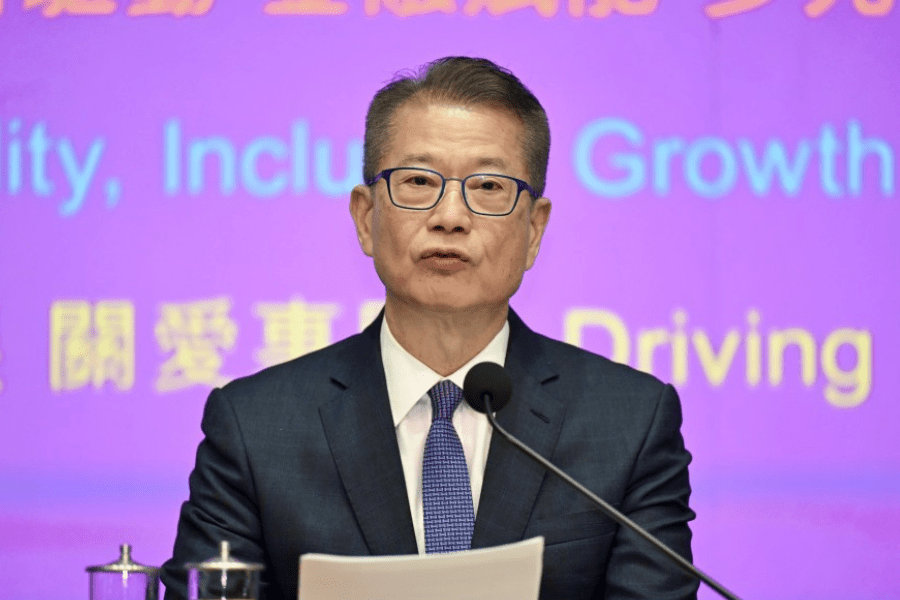
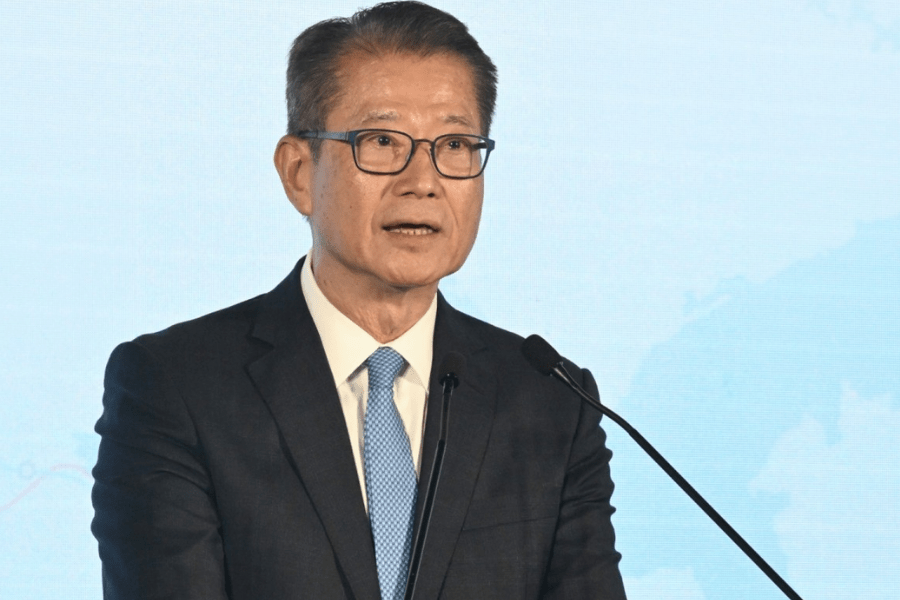
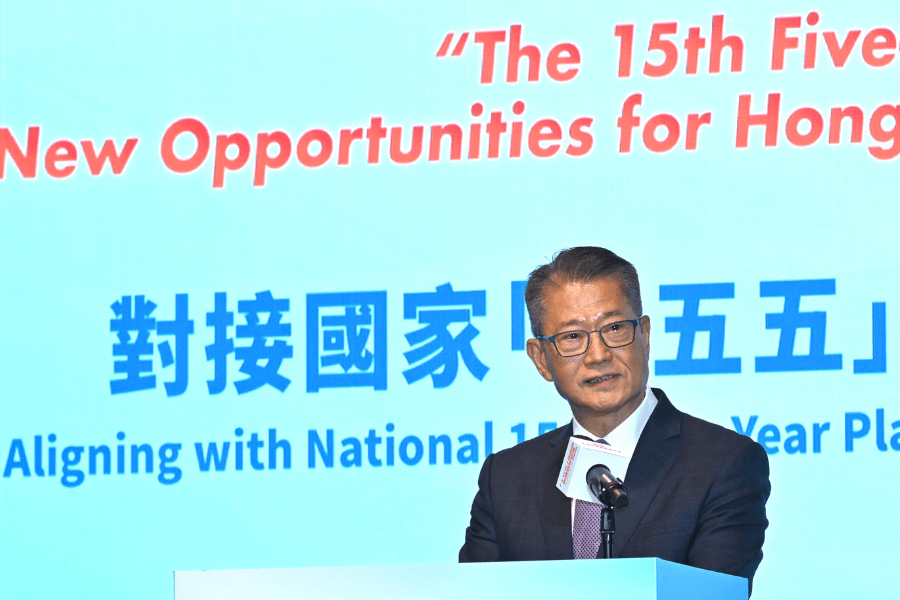
With the budget fresh off the press, Financial Secretary Paul Chan Mo-po defended the government's "targeted" relief measures, citing the need to balance diverse interests among citizens.
Speaking at a press conference this afternoon, Chan revealed that the various relief measures amount to nearly HK$22 billion—1.8 times larger than last year's offerings.
When asked whether the sweeteners are sufficient and could be expanded, Chan emphasized that the government's current approach prioritizes precision over universality, with the hope of spurring economic development while better caring for grassroots citizens.
Addressing the previously scrapped HK$2,500 student allowance, he clarified that the support for eligible families has not diminished.
Among the key relief initiatives outlined in the budget are a salary tax reduction of up to HK$3,000 and an extra month of payments for social security recipients, aiming to improve care for those in need as the economy recovers.
In response to concerns about fiscal stability amid current geopolitics, Chan indicated that while some revenue streams are stable, others are closely tied to economic conditions and asset markets.
However, Chan reaffirmed the resilience of the city's economy, citing that both profits and salaries tax revenues remained stable amid challenges from the pandemic and ongoing trade conflicts.
Meanwhile, he illustrated the contrasting development within sectors, noting that while the retail and dining industries faced challenges last year, trade and finance fared better, leading to a slight increase in profits tax revenues.
Acknowledging that the land market—closely tied to asset performance—has been sluggish, Chan expressed a cautious outlook for the next two years.
While expressing optimism about positive momentum for the stock market based on last year's strong performance, Chan stressed the importance of maintaining sufficient fiscal capacity to address unforeseen circumstances.
When asked why consumption vouchers were not part of this year's package, Chan said the Culture, Sports and Tourism Bureau has many activities planned that are expected to boost consumer sentiment, making it not the most appropriate time to introduce the measure.
Regarding suggestions to use MPF for home purchases, Chan explained that the MPF system was established to provide retirement protection, whereas the property market can fluctuate, which could make it unstable for retirement savings.
As for the HK$20,000 newborn baby bonus, which was not mentioned in this year's Budget, Chan explained that the scheme runs until November and that a final decision will be made after reviewing its overall effectiveness, potentially in the upcoming Policy Address.