Read More
The government has introduced a mechanism to recognize bearers of items on the Representative List of Intangible Cultural Heritage (ICH), encouraging applicants from traditions such as the Tai Po Night Dragon Boat Parade and the Yu Lan Festival in a bid to ensure their legacy continues into the next generation.
ADVERTISEMENT
SCROLL TO CONTINUE WITH CONTENT
According to criteria set by the Intangible Cultural Heritage Office under the Leisure and Cultural Services Department, recognized bearers must fulfill six responsibilities.
These include organizing inheritance activities, cultivating successors, preserving relevant artifacts, cooperating with the government on research, participating in promotional or educational programs, and submitting annual reports on the status of heritage transmission.
Applications opened in early January and will close on March 2.
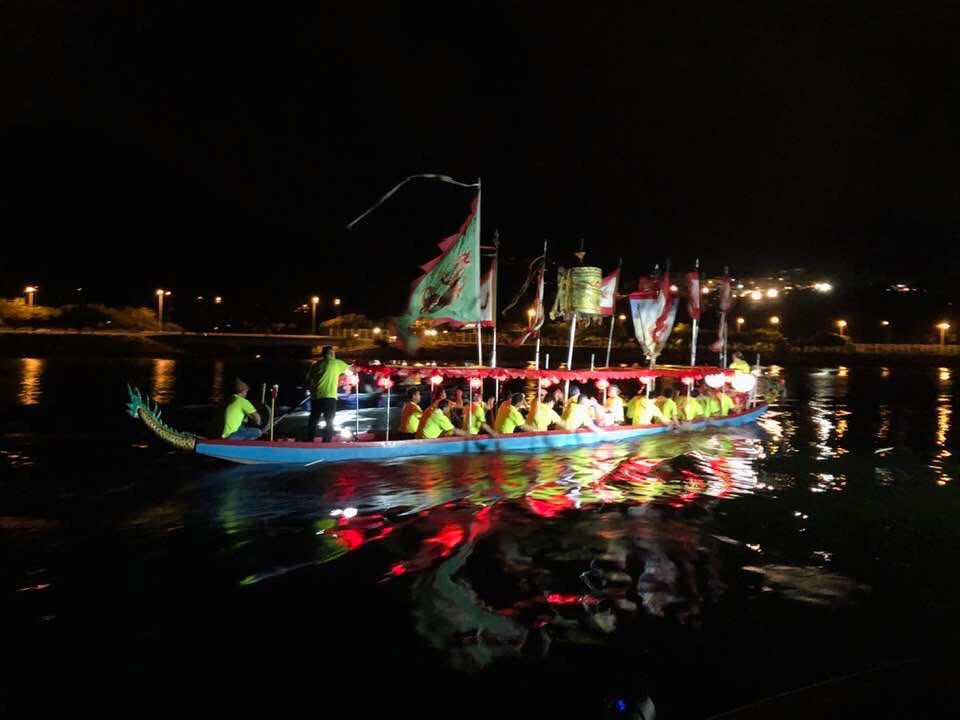
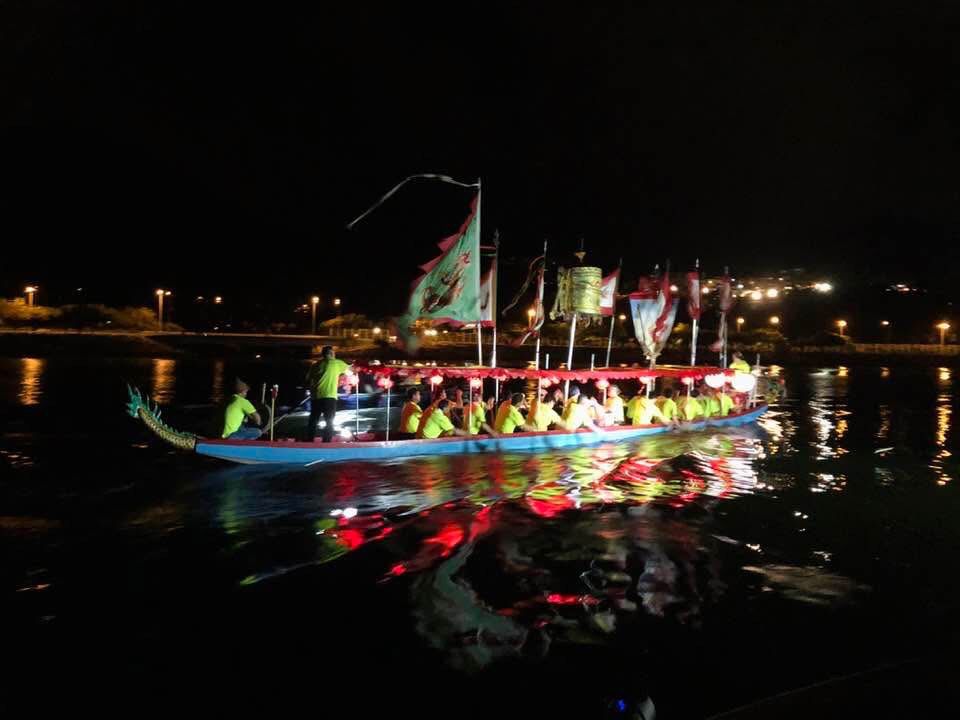
For the Tai Po Night Dragon Boat Parade, which was newly added to the Representative List, the Shek clan of Yuen Chau Tsai and members of the Wing Chuen Tong of the Chung clan in Tai Po plan to apply for bearer status.
+1
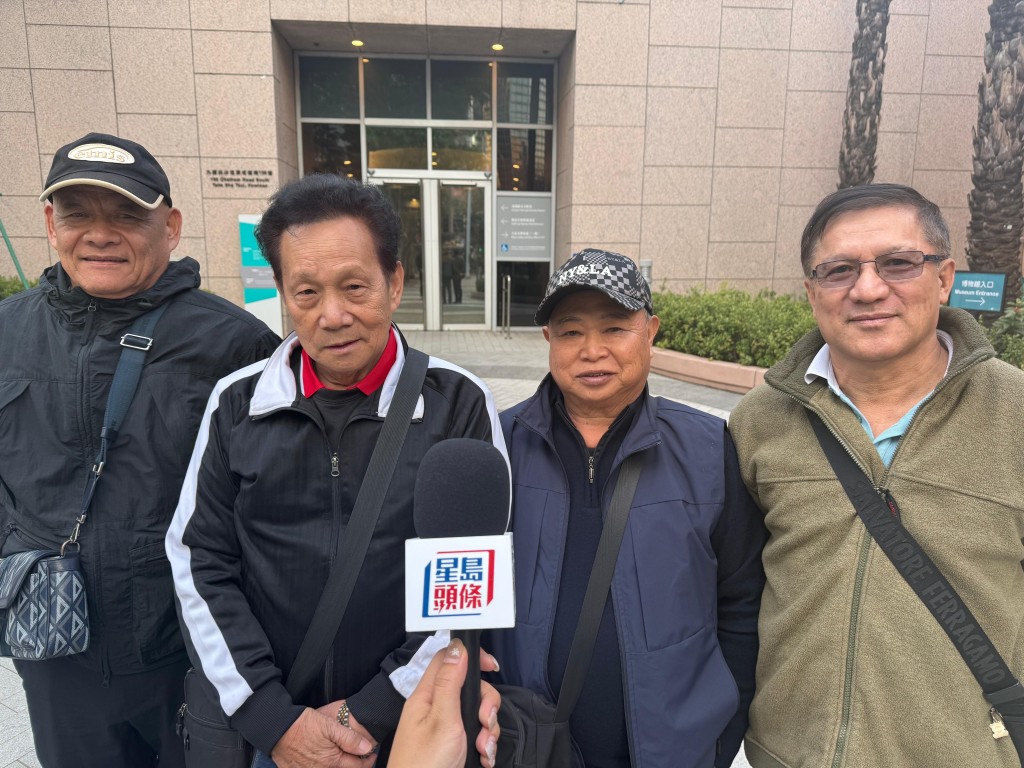
Shek, chairman of the Hong Kong Shek Clan Fa Pau Association, said that despite the parade’s long history, relatively few young people had shown interest in the past.
“Some have never even heard of it. Now that we see their growing curiosity, we hope to raise awareness of this tradition and ensure it is not lost,” he said.
He noted that the Shek clan owns one medium-sized dragon boat that can carry 25 people. All clan members are familiar with dragon boat rowing, with those aged 13 and above allowed to participate, while younger children observe from the shore.
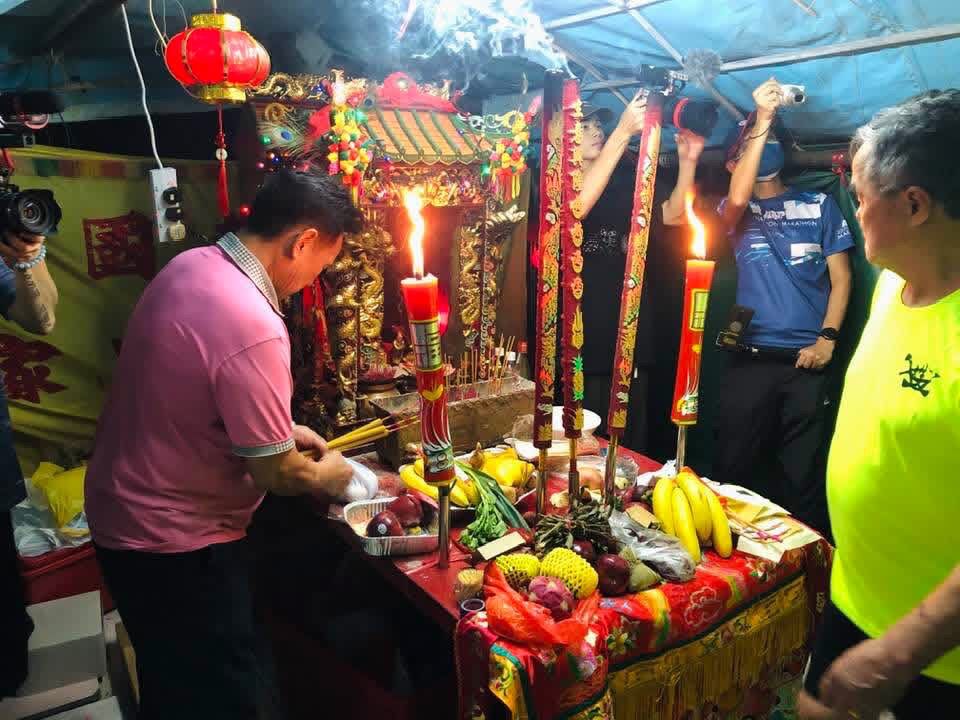
Held annually during the Dragon Boat Festival, the Night Dragon Parade takes place offshore near Sam Mun Tsai in Tai Po, beginning at midnight and continuing until dawn. The procession sails from Yuen Chau Tsai and Tolo Harbour to Sam Mun Tsai to commemorate Emperor Bing of the Song dynasty and to pray for blessings and peace on land and sea.
After more than 50 years of involvement, Shek said he is eager to apply as a bearer, emphasizing the importance of passing on the tradition and promoting greater public awareness of Hong Kong’s cultural heritage.
The Yu Lan Festival, another newly inscribed item, has also drawn interest from community organizers.
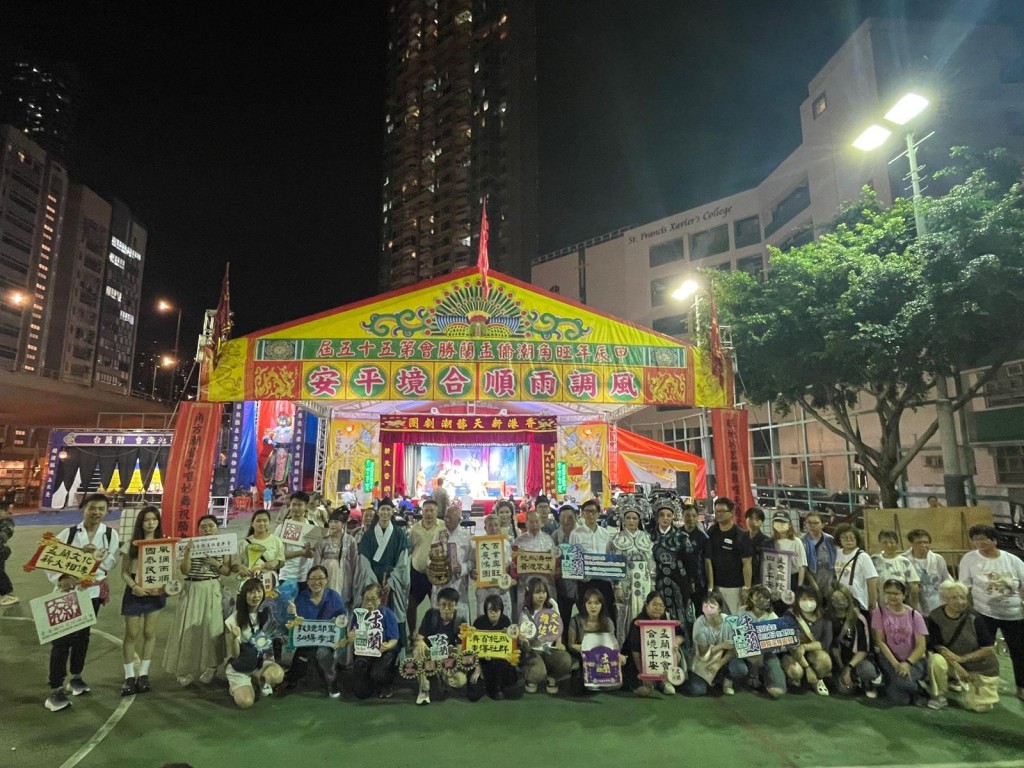
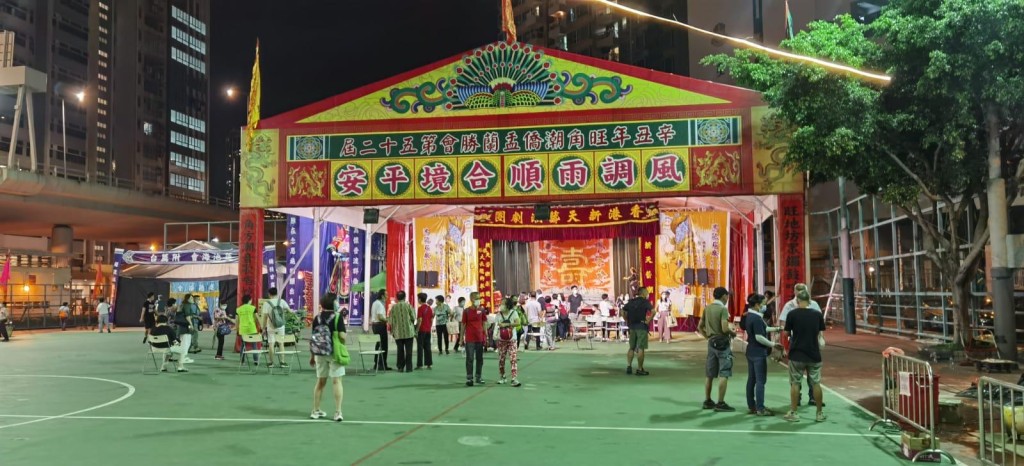
Sze, a representative of the Mong Kok Chiu Kiu Yu Lan Festival, said her group intends to apply collectively. “This not only lends more recognition but also helps us pass on this traditional culture,” she said.
A third-generation participant from a Chiu Chow family, Sze said her family has operated a grocery store in Mong Kok for more than five decades, beginning with her grandfather.
She recalled learning about the festival at the age of five or six. For years, the event has been held at Sycamore Street Playground.
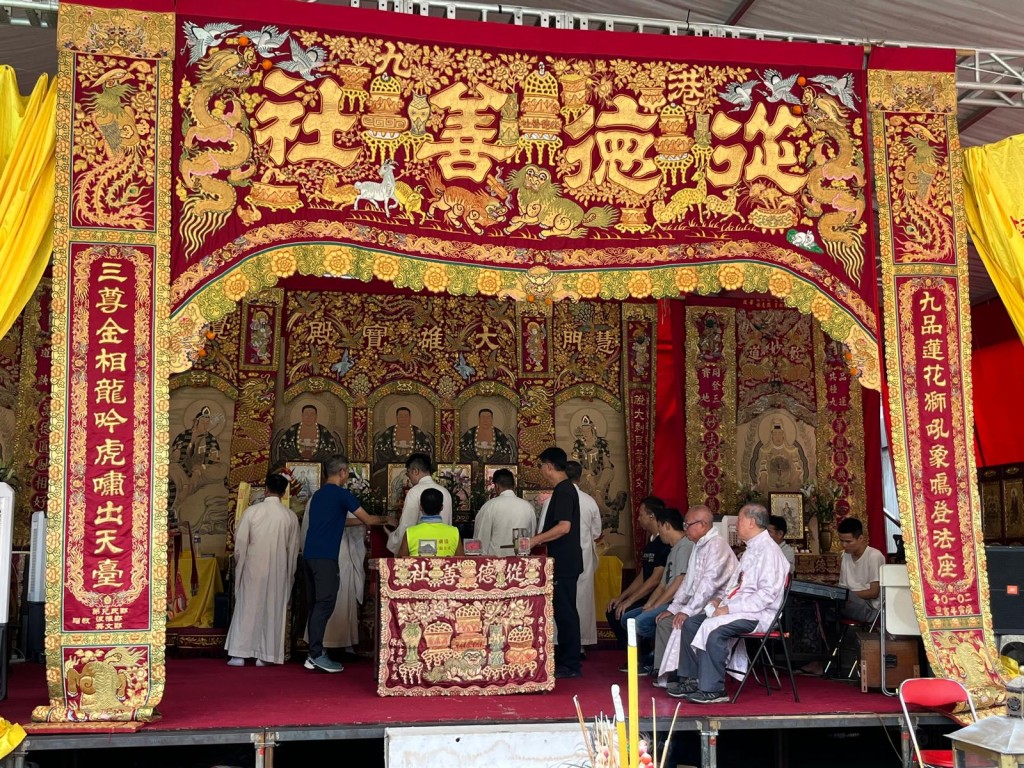
“I was influenced by my dad. When I was a child, I watched my grandfather and father help out – everyone distributed rice together, there were ritual operas, and worship activities,” she said.
Sze described the Yu Lan Festival as not only a traditional custom but also a community service and volunteer-driven event. However, she noted that in some districts, celebrations have ceased due to a lack of successors or funding, relying solely on donations to continue.
She expressed confidence in the application process. “It’s mutual. The government also hopes to promote our culture and its essence. Given that there is already plenty of information available, the overall application process is not too difficult,” she said.