Read More





Night Recap - September 21, 2026
4 hours ago



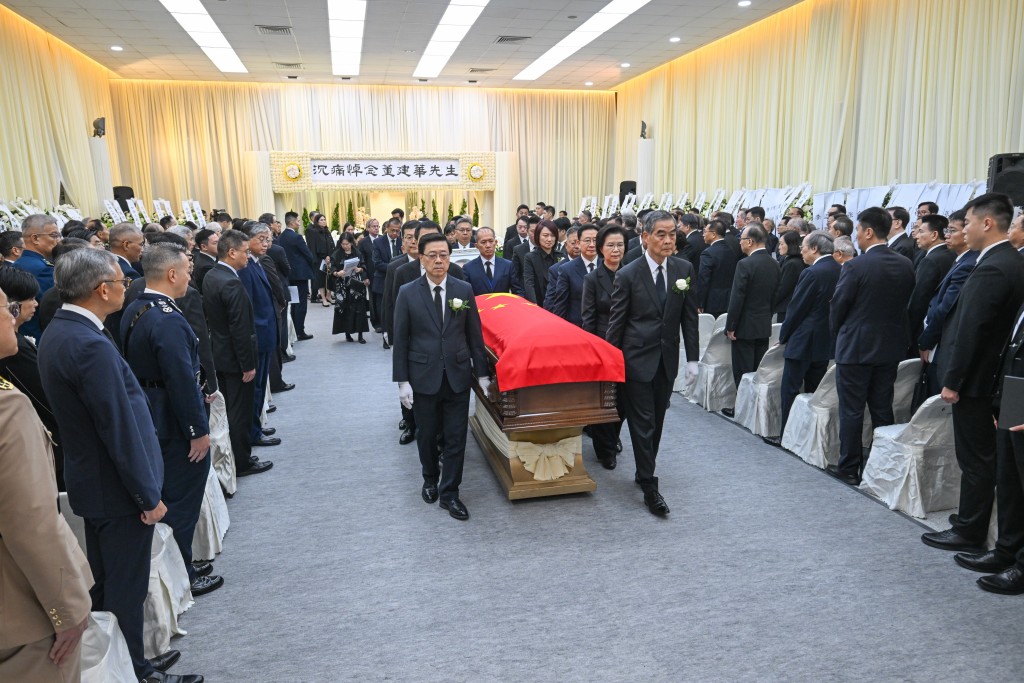
John Lee and CY Leung lead pallbearers for Tung Chee-hwa
20-09-2026 15:54 HKT


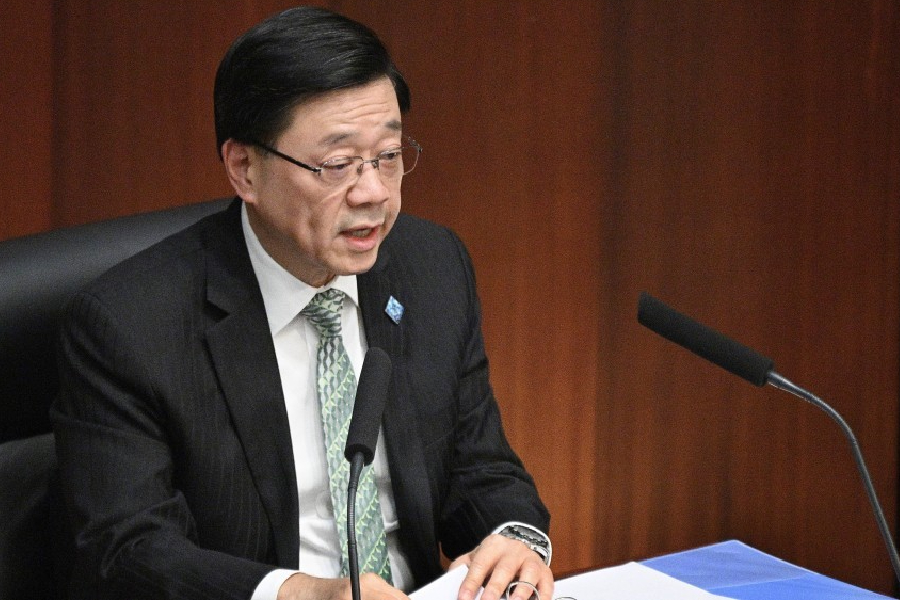
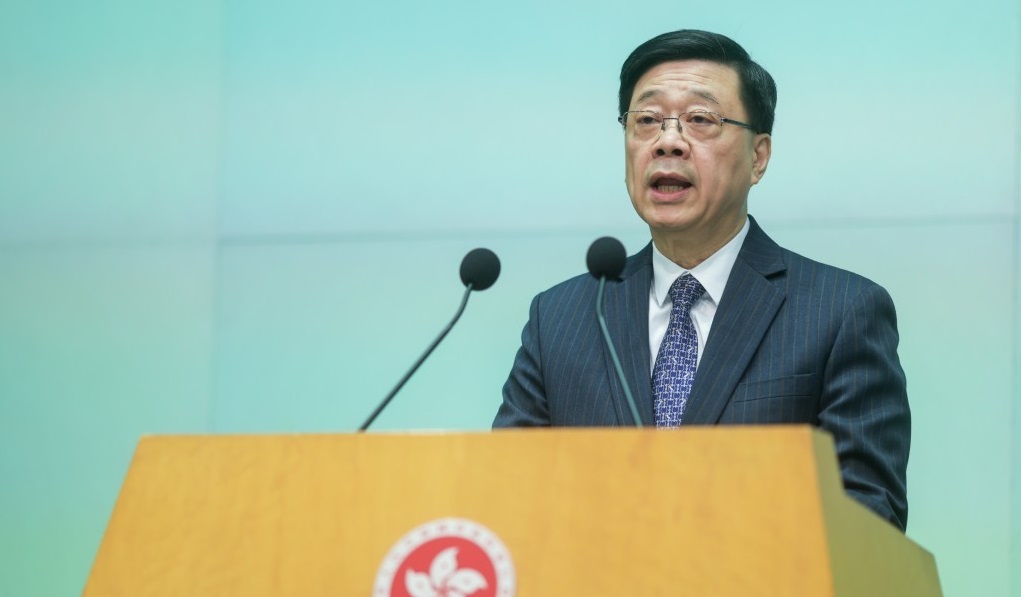
Chief Executive John Lee Ka-chiu said on Tuesday that the government’s decision to withdraw an honor awarded to former Director of Logistics Services Carlson Chan Ka-shun has affected both his professional record and personal reputation, and underscored that accountability must be pursued on the basis of facts rather than personal preferences.
Speaking to reporters ahead of his Executive Council meeting, Lee said the handling of Chan was made according to the facts of the case and Chan’s role, and reflected the principle of the Head of Department Accountability System.
Lee was responding to questions about last week’s release of investigation findings into a procurement scandal involving counterfeit bottled water supplied to the government. Based on the findings, the government decided to revoke Chan’s Silver Bauhinia Star.
The government has also initiated disciplinary proceedings against three Logistics Services Department officers implicated in the case. The investigation concluded that while Chan was not negligent, he should have done more during his tenure to enhance subordinates’ capability and sense of responsibility.
Lee said the measures taken against Chan had affected his work record and personal standing, adding that he had also lost the honor previously conferred on him.
Last Tuesday, Secretary for the Civil Service Ingrid Yeung Ho Po-yin and Secretary for Financial Services and the Treasury Christopher Hui Ching-yu announced the investigation results.
Yeung said at the time that revoking Chan’s medal was not a punishment, explaining that the honors system is a recognition mechanism and that the action amounted to the withdrawal of a reward rather than the imposition of a penalty.
Lee said the government had considered that Chan did not directly participate in the incident, and that relevant information had not been reported to him by subordinates. Nevertheless, as the department head, Chan had to bear primary responsibility, which Lee said was consistent with the government’s approach to implementing head of department accountability.
He added that while the existing civil service disciplinary system sets requirements for department heads in managing staff, the accountability framework he has proposed further emphasizes what forms of action can be taken against heads of departments when they are required to assume overall responsibility.
On the case involving supplier Xin Ding Xin, which obtained the contract through deception and supplied counterfeit drinking water, Lee said the three Logistics Services Department officers concerned will face disciplinary proceedings and sanctions.
Their insufficient performance will be reflected in appraisal reports, they will not receive pay increments, and one of them will also receive a written warning, he said.
Lee reiterated that there was no evidence Chan had made mistakes in handling the incident. However, the failure of subordinates to promptly report the matter pointed to shortcomings in staff capability, which he said were widespread within the department.
He added that there was significant room for improvement in procurement work and that staff should adopt a more proactive and cautious approach.
Lee said the Secretary for Financial Services and the Treasury had written to Chan, pointing out that he needed to do more to enhance staff capability, awareness, and initiative, and that the letter would be documented in Chan’s personnel file.
He stressed that accountability must be fair and just, based on facts, and not driven by individual preferences or aversions.