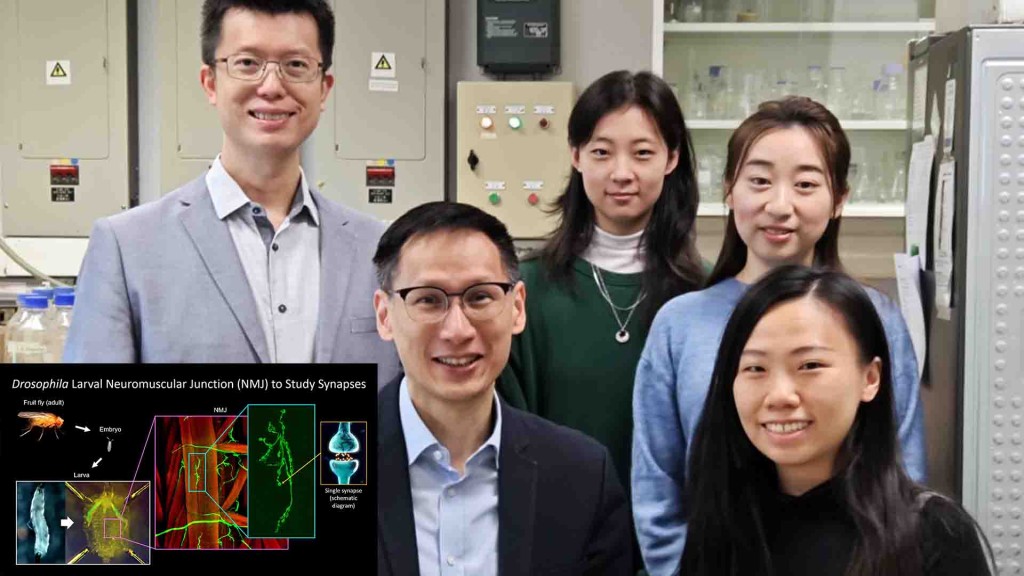
A research team led by Hong Kong's Chinese University has discovered a new molecular mechanism explaining how the causative gene of myotonic dystrophy type 1 damages the nervous system, using a fruit fly disease model.
DM1 is a common adult muscular dystrophy where patients have difficulty relaxing muscles after contraction, typically affecting limb mobility. While muscle pathology has been studied over the past 20 years, neurological issues like synaptic dysfunction and neuron loss remain poorly understood, affecting disease progression and quality of life.
The team used transgenic DM1 fruit flies, which share key genes with humans and show muscle degeneration, to analyze synaptic changes. They found that overexpression of the FasII protein, the fruit fly version of human cell adhesion molecule NCAM1, is a key factor in synapse loss.
The finding was confirmed in mouse DM1 models and patient brain tissues, showing high relevance to humans. Adjusting FasII expression fully repaired synaptic defects, offering a new direction for future treatments. The study is published in the journal Nature Communications.