Read More
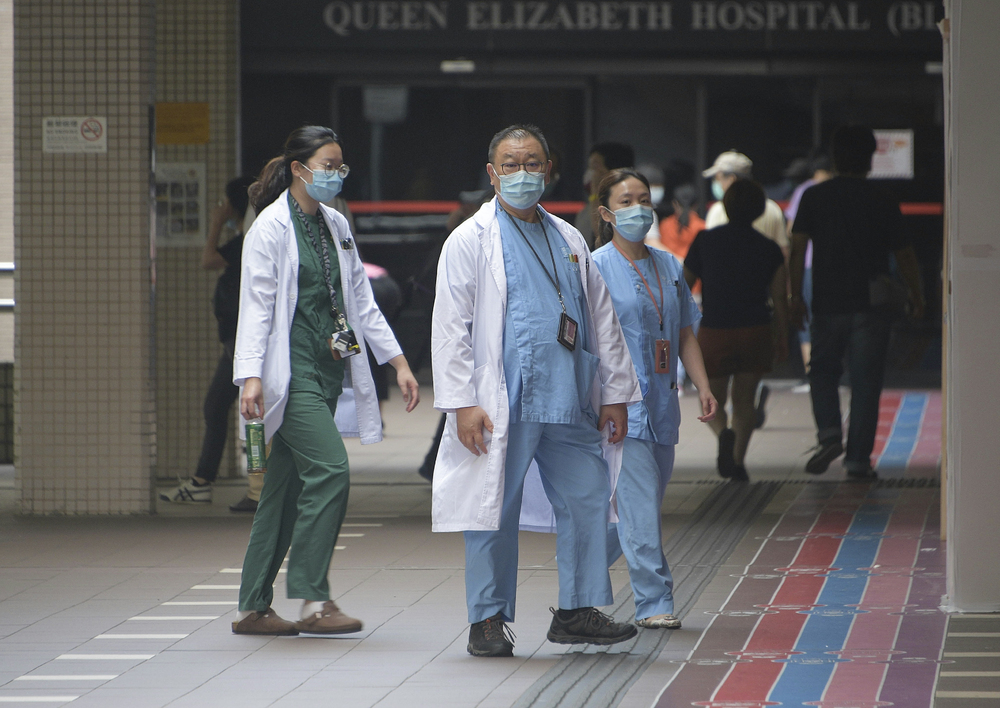
Around 87 percent of Department of Health doctors and 77 percent of public hospital doctors have been vaccinated.
ADVERTISEMENT
SCROLL TO CONTINUE WITH CONTENT
But uptake rates among nurses have been lower - 52 percent at the health department and 43 percent at the Hospital Authority - says Secretary for Food and Health Sophia Chan Siu-chee.
And just 4,300 care-home residents, considered to be a vulnerable risk group, have received their first dose. That's 5 percent.
Chan revealed the latest vaccination statistics in the Legislative Council yesterday.
About 470 doctors working at the Department of Health have already received a first dose of the vaccine, while 280 department dentists - 79 percent - have had their first shot.
The statistics also showed that 77 percent of Hospital Authority doctors, or 5,200 medics, have taken the first dose.
But at elderly and disabled care homes, the coverage is skewed, with 49 percent of employees - 19,500 - inoculated and just 5 percent of residents - 4,300 - vaccinated.
About 48 percent of the city's 370,000 foreign domestic helpers have received the jab.
But Chan did not provide the vaccination rate among civil servants, including disciplined services staff, saying the vaccination appointments were arranged by employees themselves and her bureau does not have the information.
"The government strongly encourages government employees in all departments to get vaccinated to safeguard the health of the individual employees and the public they serve, as well as fulfill their civic obligations," Chan said.
A patient group, meanwhile, said nearly 70 percent of people have yet to get vaccinated because they are worried if they are suitable for it. From June 10 to June 23, the Patients and Health Professional Rights Association surveyed 933 residents who had yet to receive the jab and found that 68 percent were concerned that they were not healthy enough.
But about 76 percent wanted the government to continue to provide both Sinovac and BioNTech vaccines after September.
Association convener Jeffrey Pong Chiu-fai suggested the government should distribute BioNTech vaccines to private clinics so that people could consult doctors before getting the jab.
Currently, the BioNTech vaccines are available only in community vaccination centers.
Pong noted that the European Medicines Agency has said the BioNTech vaccines can be stored in general drug refrigerator temperatures of 2-8 degrees Celsius for up to one month, meaning it is possible to allow private clinics to obtain the jabs.
Separately, the Hong Kong Polytechnic University yesterday organized an on-campus vaccination campaign for its students and staff through the outreach service.
About 900 students and staff registered for the two-day service that ends today.
wallis.wang@singtaonewscorp.com
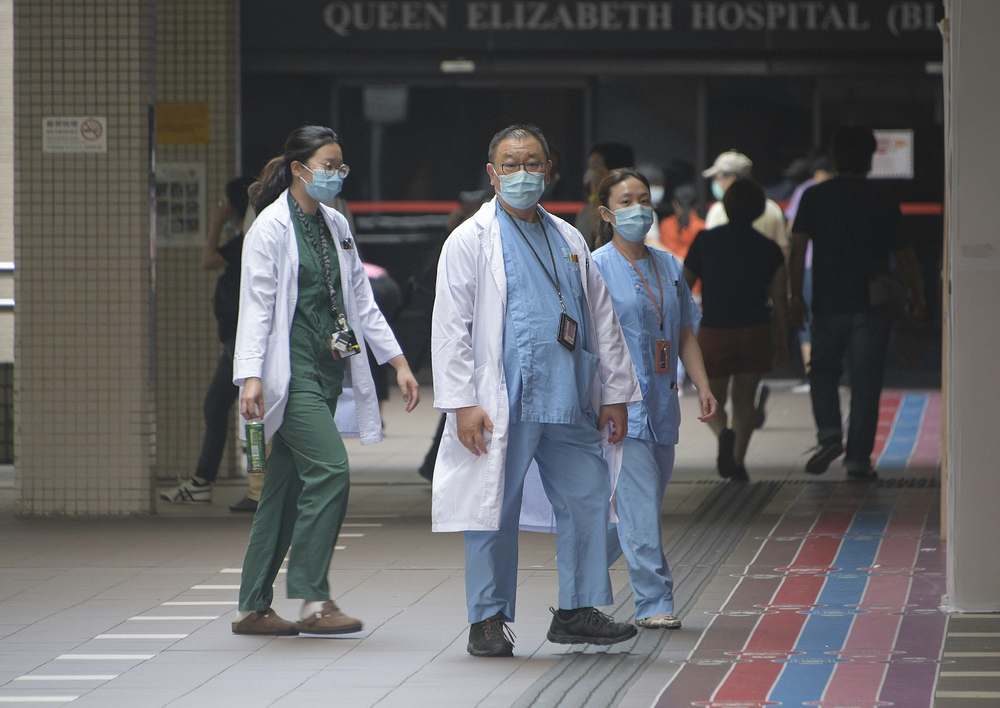
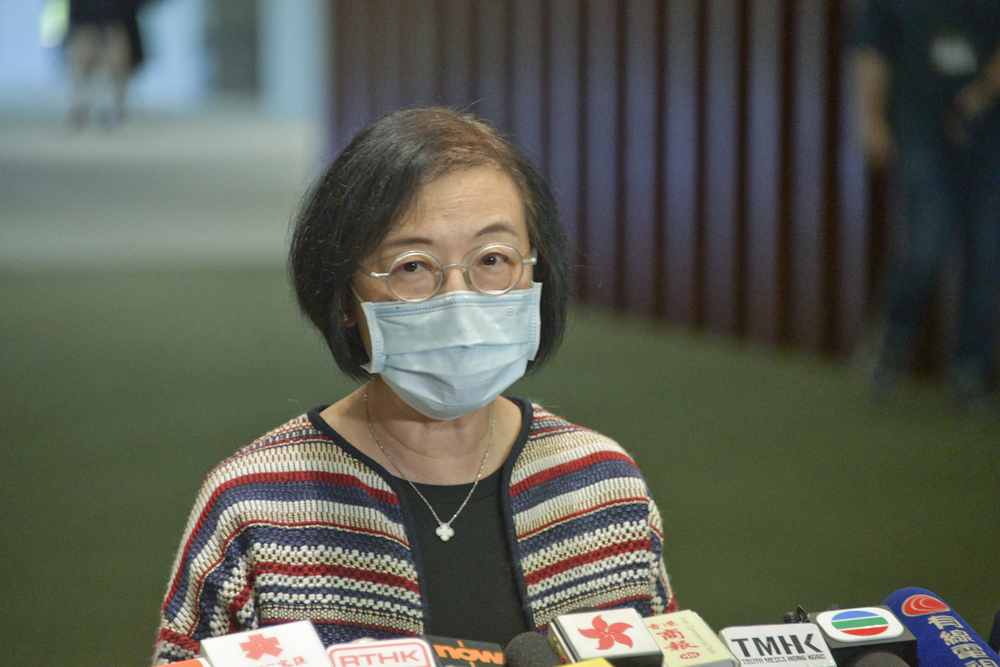
There's a big disparity in inoculation rates among doctors and nurses under the Department of Health and the Hospital Authority, according to Sophia Chan. SING TAO