Read More






Night Recap - August 25, 2026
7 hours ago



Taxi stuck sideways in narrow Central alley
24-08-2026 15:55 HKT


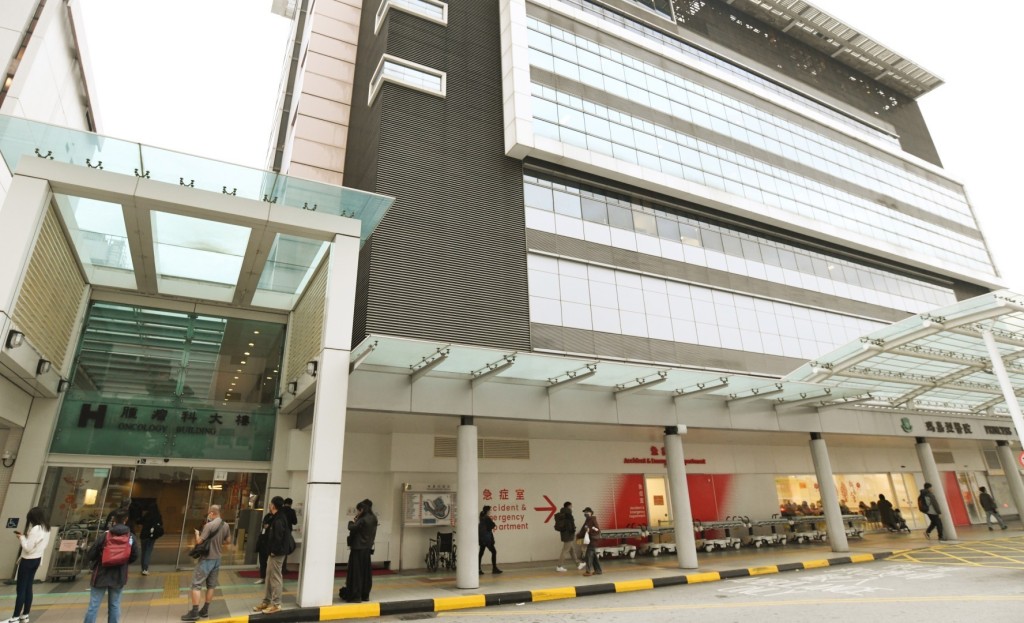
Medication charges at public hospitals and clinics will be adjusted from January 1, alongside the introduction of a HK$10,000 annual fee cap covering both inpatient and outpatient services, the Hospital Authority has announced.
Under the new arrangement, charges for specialist outpatient clinic medications will rise from the current HK$15 per drug for a 16-week supply to HK$20 per drug for every four weeks. For patients who require daily medication, the increase will be substantial.
A diabetes patient, for example, is typically prescribed three types of medication during follow-up consultations. Based on a 28-week supply, the total medication cost would rise from HK$90 to HK$420.
Medications prescribed at family medicine clinics, which are currently free of charge, will also be subject to fees.
From January 1, patients will be charged HK$5 per prescribed drug for every four weeks. A patient visiting a family medicine clinic for a common cold, who is usually prescribed three types of medication, will need to pay a total of HK$15.
The Hospital Authority stressed that the four-week charging unit does not mean patients are required to collect medication every four weeks. Doctors will continue to determine the quantity prescribed based on clinical needs, with patients able to receive up to a maximum of 24 weeks’ supply at each visit.
The authority said public hospital drug costs remain heavily subsidized by the government, and the subsidy level will stay high even after the adjustment, particularly for medications used to treat cancer and rare diseases.
It said the reform aims to address what it described as a structural imbalance, where minor illnesses receive relatively high subsidies while patients with serious or chronic conditions bear significant out-of-pocket expenses.
In adjusting drug charges, the authority said it was guided by three key principles: ensuring those who can afford to pay contribute more, accelerating access to innovative medicines, and increasing treatment subsidies for serious illnesses such as cancer and rare diseases.
Additional revenue generated from the fee adjustment will be used to speed up the approval of high-cost new drugs and expand the drug formulary.
The authority expects the number of newly approved medicines each year to rise from about 90 to around 120, with further increases anticipated. It will also enhance the “1+” drug approval mechanism, including the phased implementation of a first-tier drug registration system starting next year.
An Office for Introduction of Innovative Drugs and Medical Devices will be set up in the first half of next year to proactively engage pharmaceutical companies and facilitate the registration of innovative medicines in Hong Kong.
Meanwhile, a new annual fee cap of HK$10,000 will be introduced from January 1 without means testing, applying to all Hong Kong residents. The cap will cover both inpatient and outpatient charges, excluding self-financed medical devices, and is expected to benefit about 70,000 people.
Under the revised fee structure, a renal patient requiring dialysis, multiple specialist consultations, and hospital admissions would see annual medical costs rise from about HK$16,000 to HK$37,000. However, such patients would be eligible to apply for the annual fee cap, limiting their total medical expenses to HK$10,000 within a single financial year.
The Hospital Authority said eligible patients can apply through its mobile application HA Go or at hospital payment counters. Applications typically take about 14 days to process. The application period runs from January 1 each year until March 31 of the following year, and each patient may apply once per year.
Once approved, patients must declare their eligibility for the annual fee cap during hospital registration procedures. After system verification, no further medical charges will be required for the remainder of the year. Any amount paid in excess of HK$10,000 before approval will be credited toward medical expenses in the subsequent year and counted toward the cumulative total for that year.