Read More
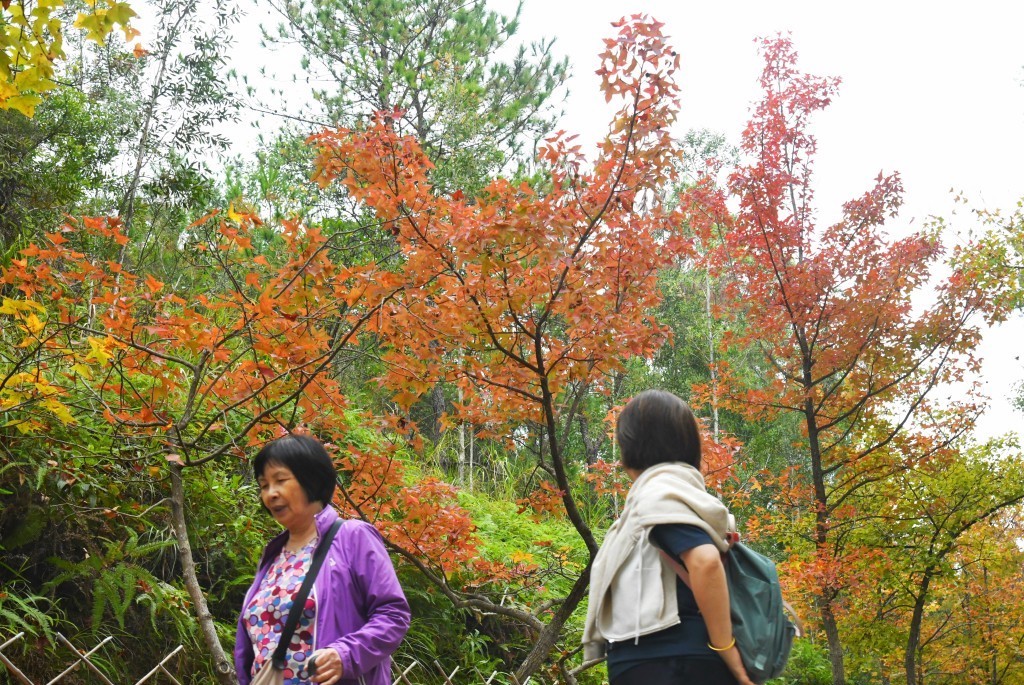
As winter edges closer, Tai Tong’s Sweet Gum Woods is once again preparing to welcome visitors eager to catch a glimpse of Hong Kong’s magnificent red leaves. The annual maple viewing season will run from December 13 to January 11, slightly shorter than last year, with the most vibrant foliage expected between Christmas and New Year.
ADVERTISEMENT
SCROLL TO CONTINUE WITH CONTENT
The Agriculture, Fisheries and Conservation Department estimates that about 70,000 visitors will make their way to Tai Tong during the season, a figure similar to last year.
According to AFCD senior country parks officer Chan Sin-wai, the peak period for both leaf color and footfall typically falls during the year-end holidays, when cooler and drier weather creates ideal conditions for the sweet gum leaves to turn red.
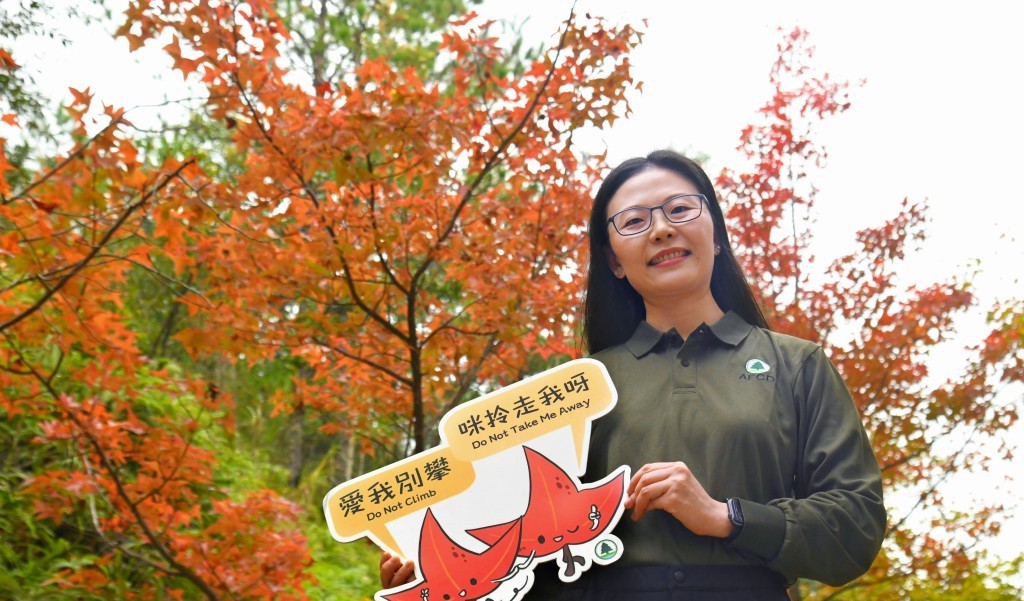
While many visitors hope to time their trips for the perfect shade of crimson, Chan noted that leaf color depends largely on weather patterns.
Cold, dry conditions help trigger the change, but this year’s unusually erratic temperatures have slowed the process, she explained.
“A brief cold snap last month caused some leaves to redden quickly, but warmer conditions in recent weeks have kept much of the forest green. Visitors are encouraged to check the department’s ‘Red Leaf Express’ webpage, where a leaf index will be updated every Friday throughout the season,” said Chan.
To cope with the anticipated surge in visitors, transport and facility arrangements have been stepped up.
On weekends and public holidays during the leaf-viewing period, an MTR shuttle bus service, K66A, will operate between Tai Tong Shan Road and Long Ping Station. KMB will also introduce a special Route 68R on Christmas Day and the following day, running between Tai Tong and the YOHO Mall transport interchange. Temporary toilets in the Sweet Gum Woods will be doubled from two to four.
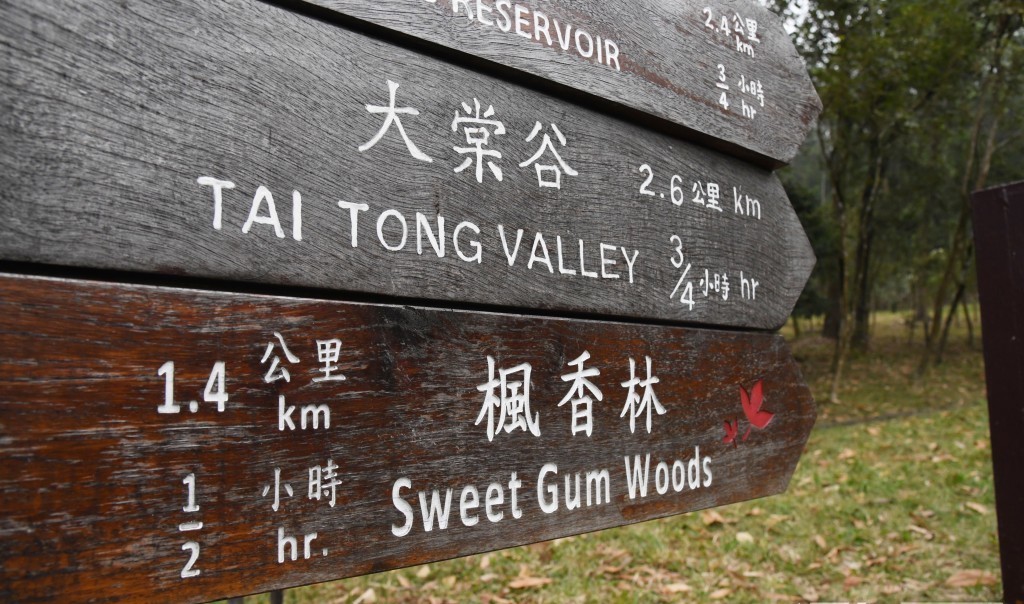
Beyond logistics, conservation remains a key focus. Additional signage has been installed at prominent spots in the forest to remind visitors not to climb trees, pull at fences, or pick leaves, while banners urge hikers to take their rubbish home. Wood chips have been laid on the ground to cushion the soil and protect tree roots from heavy trampling, and more frontline staff will be deployed to patrol the area and offer guidance.
The department will also closely monitor crowd conditions throughout the season by tracking social media posts, media reports, and real-time data collected through drones and automated people counters, allowing resources to be adjusted as needed.
As interest in nature travel grows, the AFCD has rolled out a new “Hiking Information on Green Tourism” platform, offering comprehensive outdoor information in five languages — traditional Chinese, simplified Chinese, English, Japanese, and Korean. The platform includes details on designated camping sites, water refill points, public toilets, visitor guidelines, and hiking etiquette. The department also plans to launch an official Xiaohongshu account in the first half of next year to strengthen outreach and education efforts.
The move comes amid broader discussions on how to manage the growing popularity of Hong Kong’s outdoor destinations.
In recent months, places such as the East Dam and Sharp Island experienced severe congestion after gaining sudden popularity on mainland social media, prompting concerns about visitor experience and environmental strain.
Chan said the department is currently reviewing the carrying capacity of popular hiking hotspots and assessing the feasibility of introducing visitor caps or reservation systems at selected locations. At the same time, other suitable and lesser-known sites are being evaluated and promoted through various channels to help spread visitor flow more evenly.
Lantau Peak offers a case in point. According to AFCD figures, the area recorded an average of about 3,000 visitors per day on weekends and public holidays in November and December. As of December 7, enforcement action had been taken against nine individuals for offenses including illegal camping, lighting fires, picking plants, and discarding cigarette butts.
Chan stressed that the promotion of green tourism must always be grounded in protection and respect for nature. With early planning and enhanced management of country park environments, she said the aim is to ensure that visitors can enjoy Hong Kong’s natural beauty while preserving it for seasons to come.