Read More
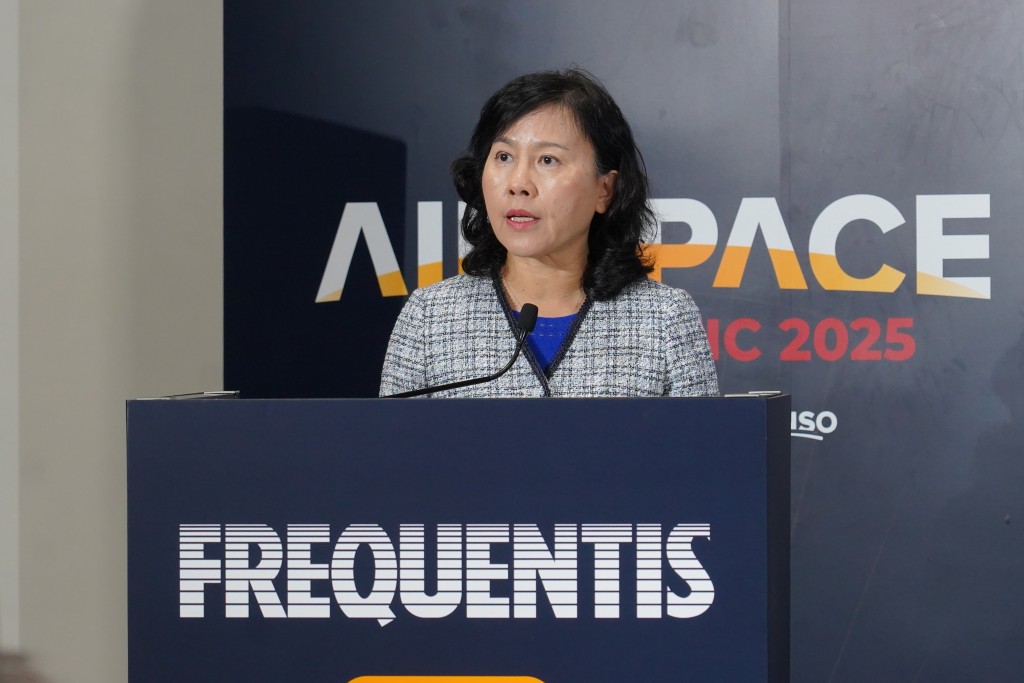
Hong Kong is positioning the low-altitude economy as a core element of its aviation strategy, with ambitions to become a regional pioneer in unmanned aviation and cross-border drone logistics, Secretary for Transport and Logistics Mable Chan said on Tuesday at the opening of Airspace Asia Pacific 2025.
ADVERTISEMENT
SCROLL TO CONTINUE WITH CONTENT
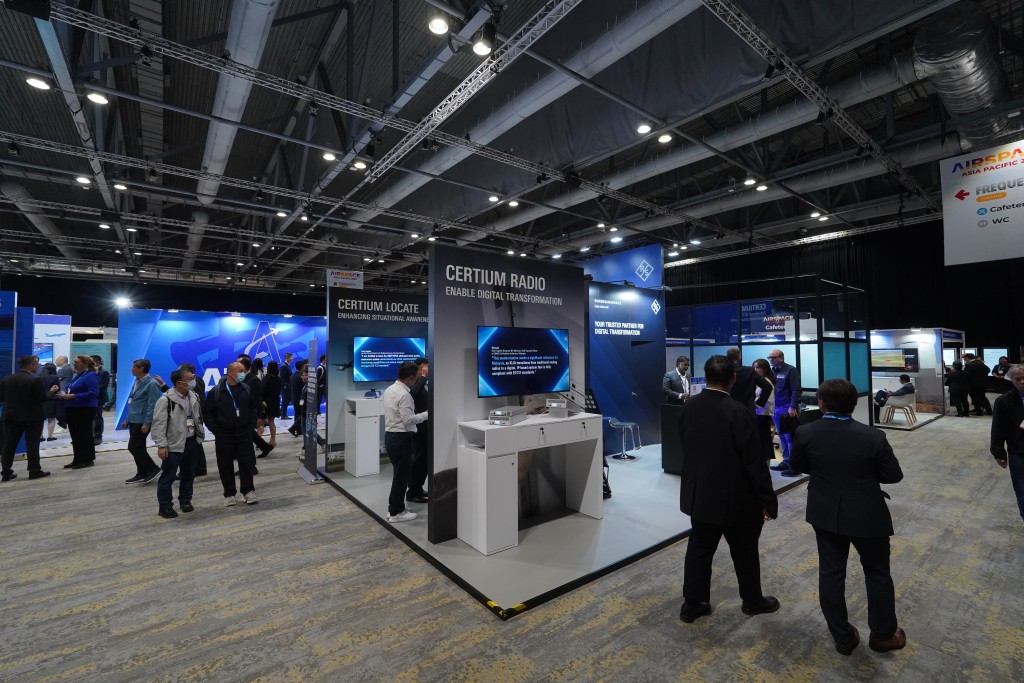
The three-day exhibition and conference, held at AsiaWorld-Expo, convenes global aviation leaders and more than 100 exhibitors from mainland China, Australia, the United Kingdom and other regions to showcase cutting-edge technologies in airspace management, advanced air mobility and low-altitude operations.
Chan said Hong Kong’s development advantages—“backed by firm national support and strong global connectivity”—place the city in a unique position to lead both civil aviation safety and the emerging low-altitude sector. She highlighted that the city aims to be “a pioneer and a leader” in both areas.
Building a “smart sky”
Chan noted that Hong Kong International Airport remains one of the world’s strongest aviation hubs. Last year, HKIA handled 53 million passengers, a one-third year-on-year increase, placing it among the world’s top 10 busiest international passenger airports.
She added that while Hong Kong continues to manage high-altitude aviation, it is also aggressively exploring opportunities brought by the low-altitude economy.
Since launching the Low-Altitude Economy Regulatory Sandbox in March, Hong Kong has achieved notable breakthroughs, including an 18-minute cross-sea medical drone delivery that cut transport time by more than 60 percent.
Partners are now integrating AI-enabled drone systems for infrastructure inspection, surveillance and preventive maintenance, forming what Chan described as “a smart eye in the sky” to enhance safety and efficiency. More than a dozen government departments have already adopted low-altitude applications in public services and urban management.
Next phase: heavy-lift and passenger-carrying drones
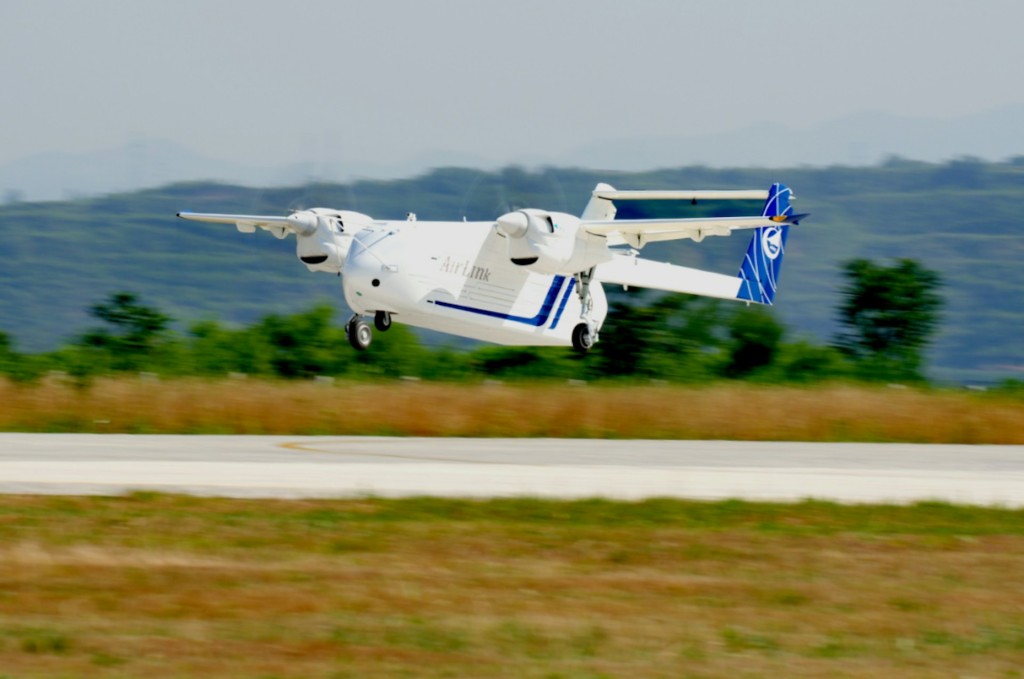
Two weeks ago, Hong Kong launched “Regulatory Sandbox X,” which will explore more complex scenarios such as the use of heavier unmanned aircraft—and even passenger-carrying drones—for cross-border logistics.
At this stage, Chan said, the key question is: “What creates outsized economic value while maintaining acceptable risk?”
She stressed that Hong Kong’s role as an international financial center and hub for legal and insurance services positions the city to leverage its capital strength and risk-management expertise to support the entire low-altitude industrial chain. Meanwhile, Hong Kong’s integration with the Guangdong-Hong Kong-Macao Greater Bay Area provides access to world-class manufacturing and R&D capacity.
This synergy between the city’s international standards and the region’s innovation strengths, she said, “creates a perfect launchpad for the low-altitude economy.”
Hong Kong Civil Aviation Department Director-General Victor Liu Chi-yung also noted that aviation traffic in the Asia-Pacific region is expected to continue rising in the coming years, bringing both opportunities and challenges.
He said he hopes air navigation service providers across the region can harness innovative technologies to maintain safe, reliable and efficient air traffic services.
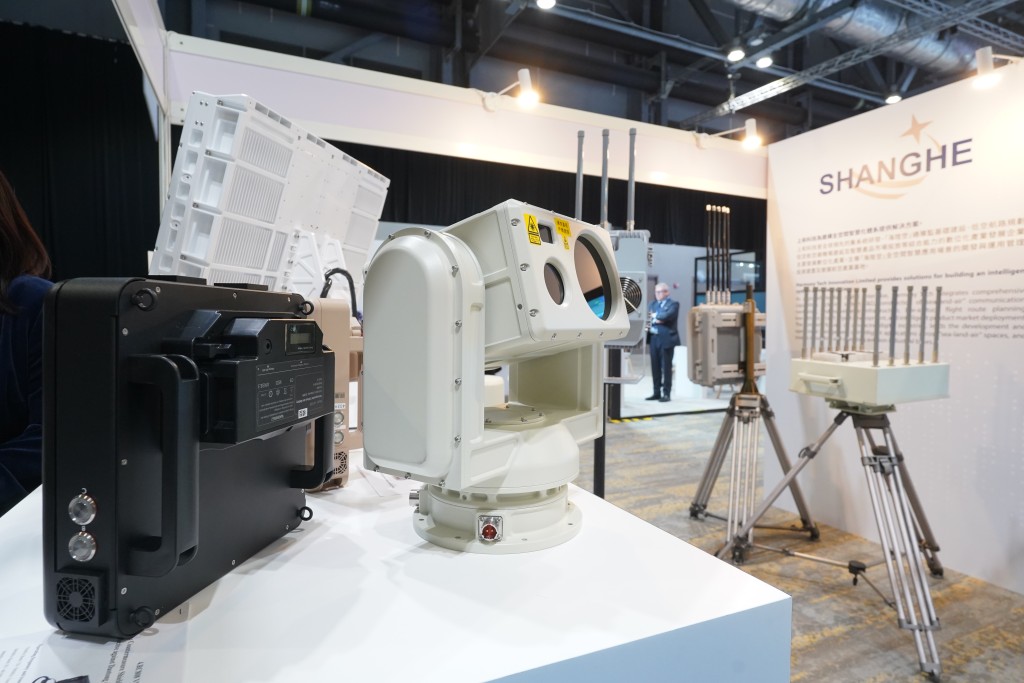
Shanghe Tech unveils Low-Altitude Traffic Management System 3.0
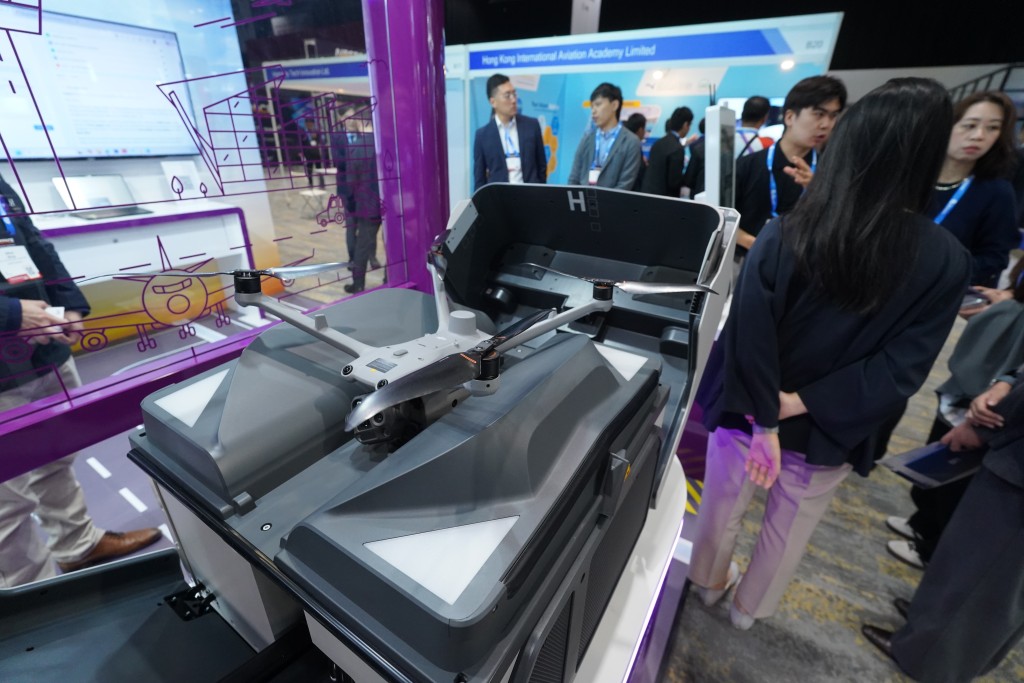
At the exhibition, Shanghe Tech introduced its Smart Low-Altitude Traffic Management System 3.0, featuring real-time detection, tracking, identification and counter-UAS capabilities across cooperative and non-cooperative drone targets.
The new version adds automatic identification of black- and white-listed drones across the Greater Bay Area, supporting cross-border security operations and multi-scenario countermeasures.
The company’s System 1.0 was launched in Zhuhai in June 2024, providing navigation services for both Category A aircraft and consumer-grade drones through digital-grid computation and AI algorithms.
System 2.0 followed in November, enabling regional remote low-altitude monitoring and centimeter-level satellite positioning. It also became the nation’s first system capable of integrated low-altitude management across Guangdong, Hong Kong and Macao.


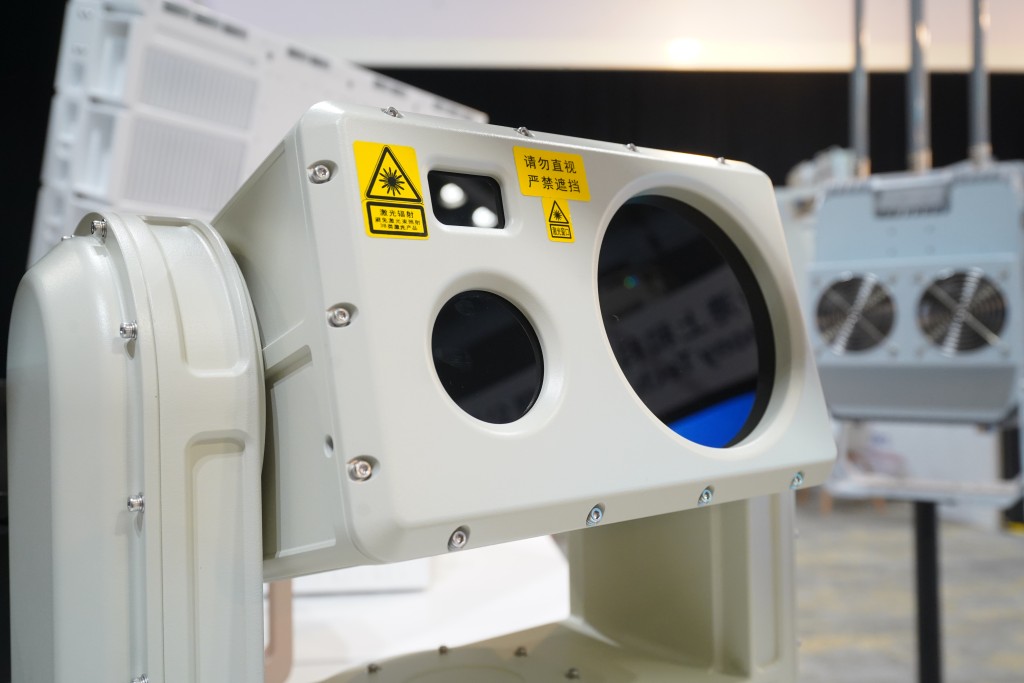
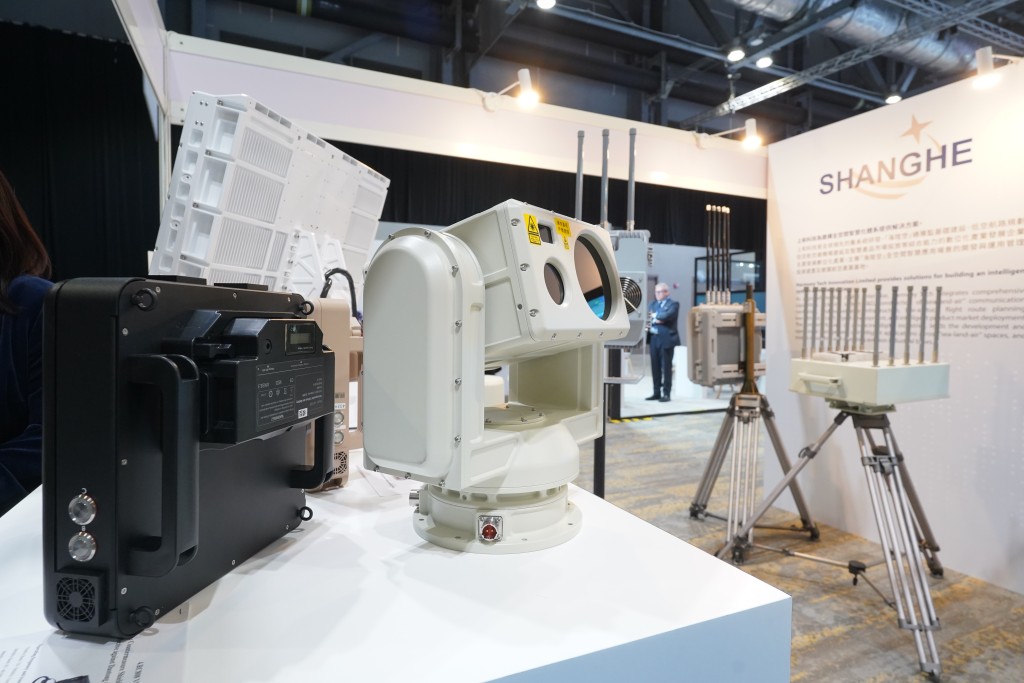
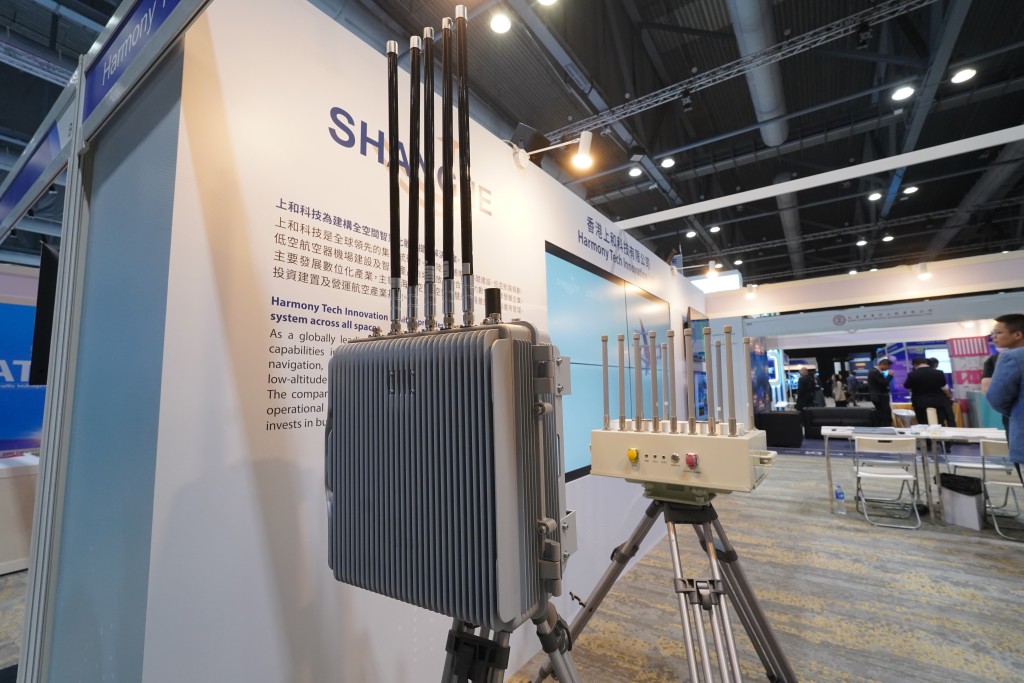
+1
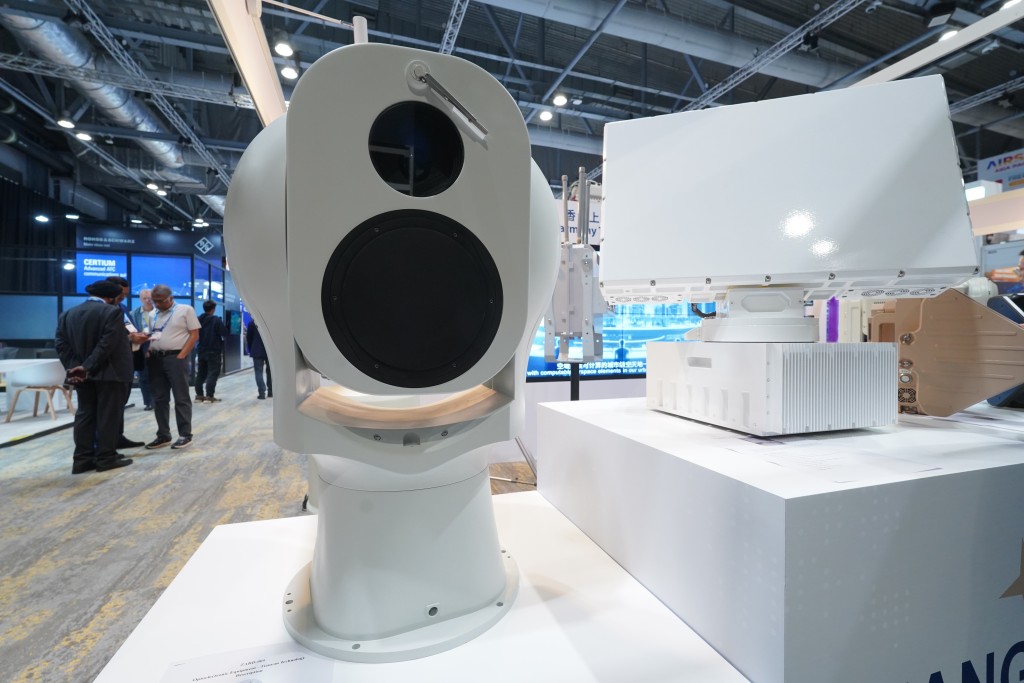
Global aviation leaders gather in Hong Kong
The Airspace Asia Pacific exhibition brought together global aviation leaders and more than a hundred exhibitors showcasing cutting-edge solutions, with discussions covering the integration of traditional aviation operations with advanced air mobility, improvements to air traffic systems, low-altitude traffic management and the development of urban air mobility.
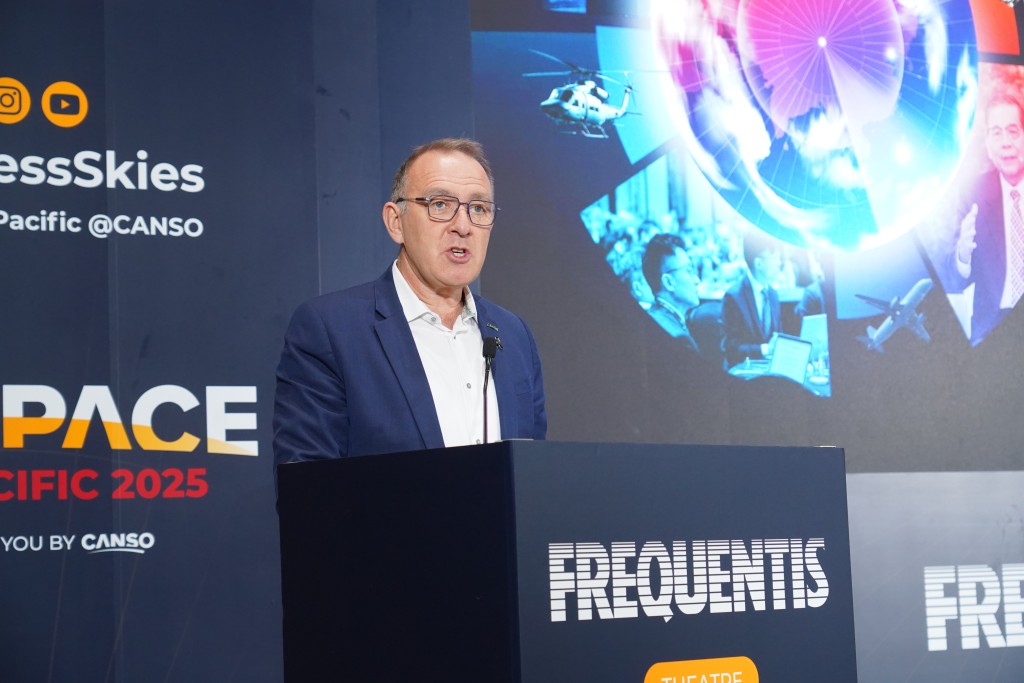
The opening ceremony was attended by senior international and mainland aviation officials, including Ma Bing, CAAC Deputy Administrator; Miao Xuan, Director-General of the Air Traffic Management Bureau of the CAAC; Simon Hocquard, Hong Kong Civil Aviation Department Director-General Victor Liu Chi-yung; and Han Kok-juan, Director-General of the Civil Aviation Authority of Singapore.
Simon Li Tin-chui, President of the Hong Kong International Aviation Academy; CANSO Chair Tim Arel; and ICAO Asia-Pacific Regional Director Ma Tao were also present.
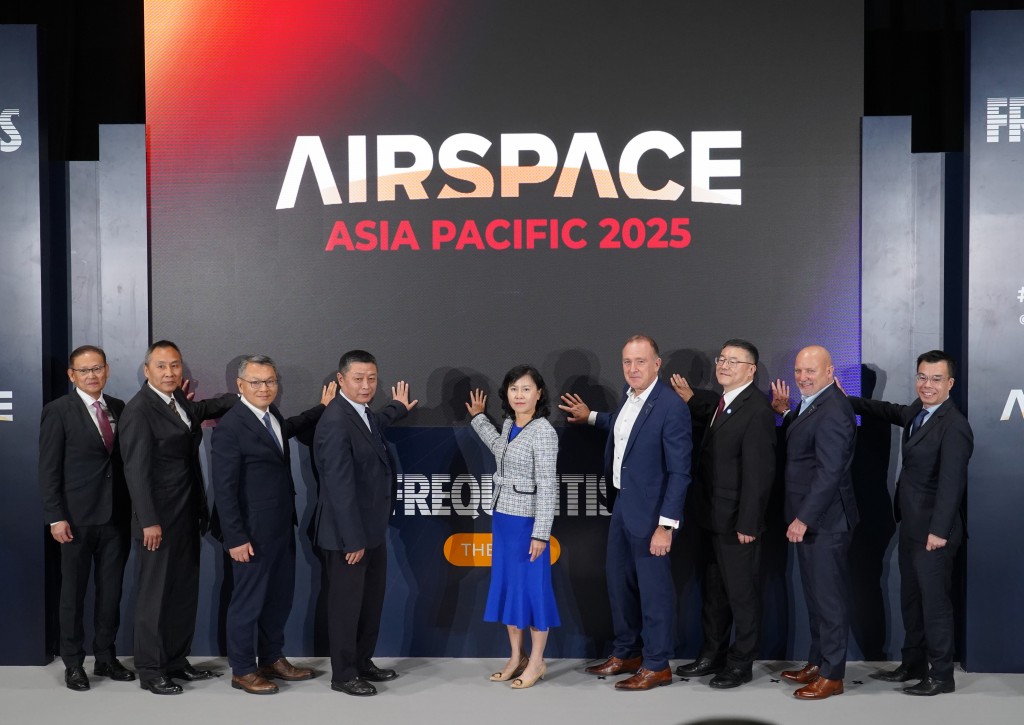
At the opening ceremony, Secretary for Transport and Logistics Mable Chan (center) and CANSO Director General Simon Hocquard (fourth from left), among other guests, attended the event.