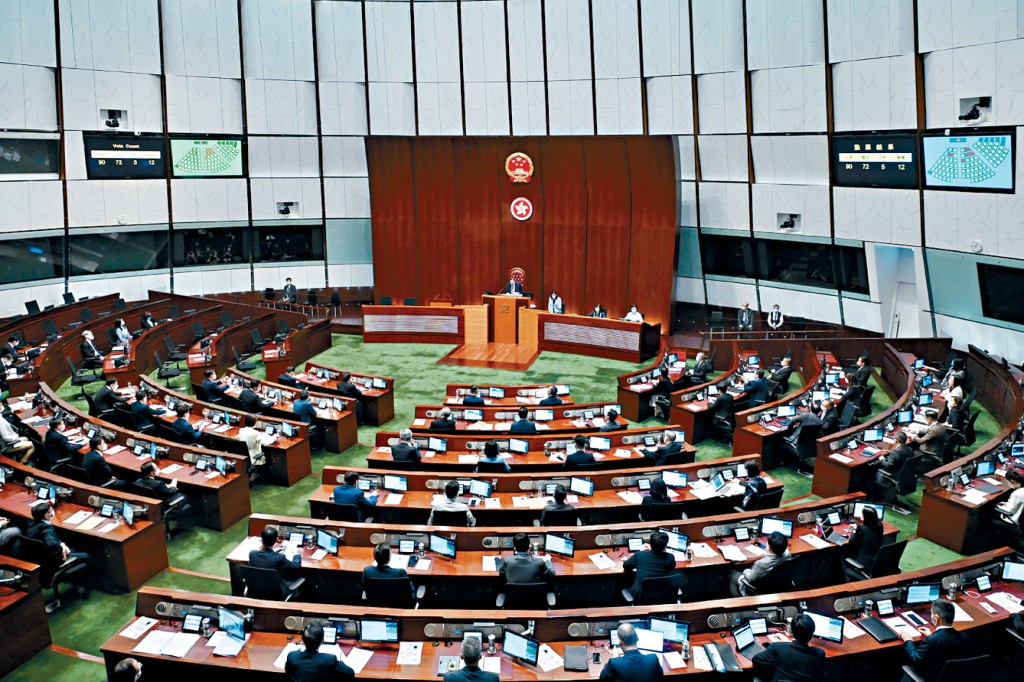
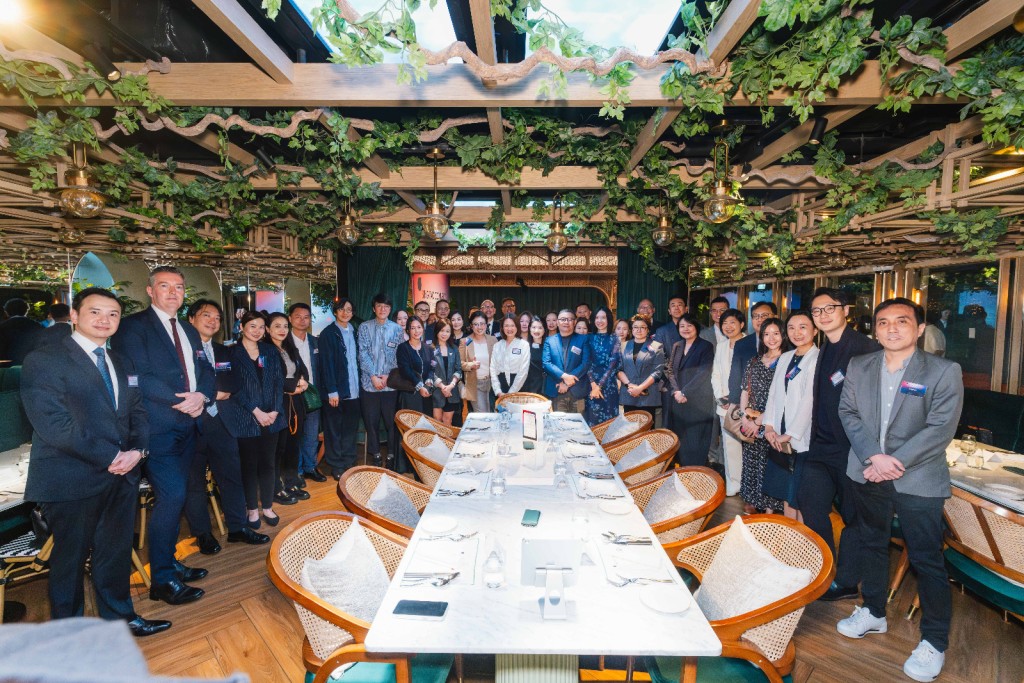
Incumbent and incoming LegCo members met with the press on Tuesday at the Legislative Council Complex, where designated representatives delivered remarks ahead of the new term.
According to the LegCo Secretariat, the press session marked the first time since the establishment of the HKSAR’s first Legislative Council that both sitting members and members-elect jointly addressed the media.
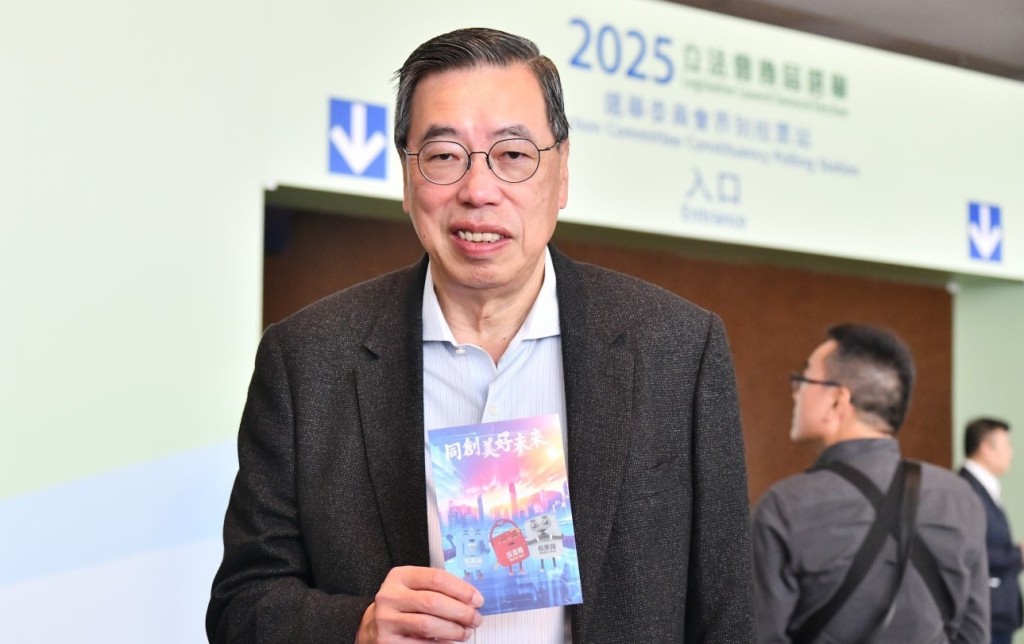
The first to speak was incumbent LegCo President Andrew Leung Kwan-yuen, who expressed gratitude to the government for its management of both the disaster relief efforts and the election.
Andrew Leung Kwan-yuen
Leung noted that the latest election featured robust competition across all constituencies and sectors, with candidates contesting based on their capabilities and policy agendas.
He stressed that lawmakers must now focus on the demanding tasks of post-disaster support and reconstruction, working alongside the government with their “professional expertise, networks, and resources.”
This work, he said, will involve reviewing and amending legislation, approving necessary funding, and advancing systemic reforms to ensure a safer Hong Kong.
Leung also encouraged the 50 re-elected members and 40 newly elected lawmakers to maintain close communication and exchange ideas more frequently, emphasizing the importance of continuity and knowledge transfer within the Council.
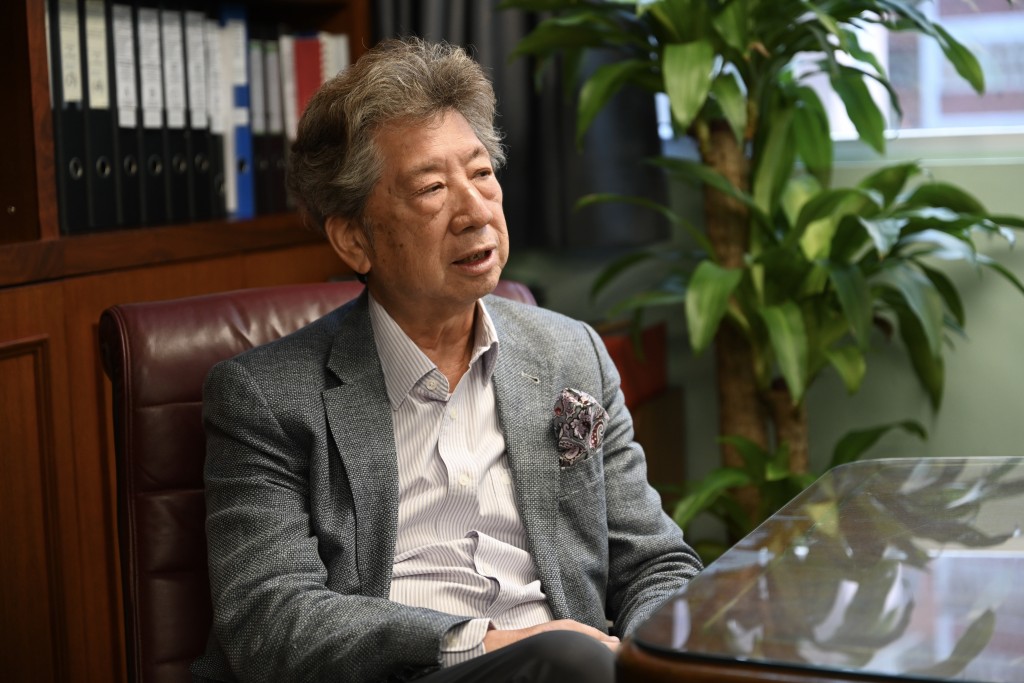
Regina Ip Lau Suk-yee, who is stepping down, noted that this election demonstrates the new electoral system’s success in facilitating a smooth transition between long-serving lawmakers and new faces.
She expressed hope that the new LegCo would fully leverage its role in the upcoming term, both in reflecting public opinion and collaborating with the government, particularly in assisting with the follow-up work after the Tai Po fire.
Gary Chan Hak-kan, successfully re-elected as the chairman of the Democratic Alliance for the Betterment and Progress of Hong Kong (DAB), also addressed the Tai Po fire.
He stated that the government’s first phase of disaster relief work was “carried out promptly and was also very appropriate,” expressing confidence that the new-term LegCo will coordinate with the government to play a stronger role in resettlement and legal systems.
Chan also noted that he and his team have engaged with over 1,000 affected households to understand their views on rebuilding their homes, while differing opinions are among the LegCo on issues such as site selection, reconstruction methods, and institutional reforms.
He hopes the new-term LegiCo will collaborate across political groups, working simultaneously on resettlement, reconstruction, and institutional review.