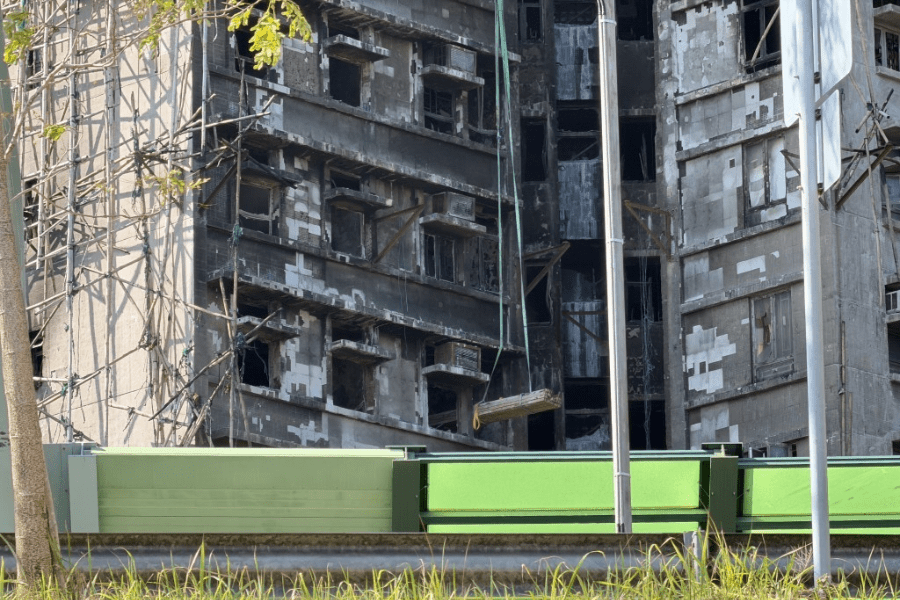
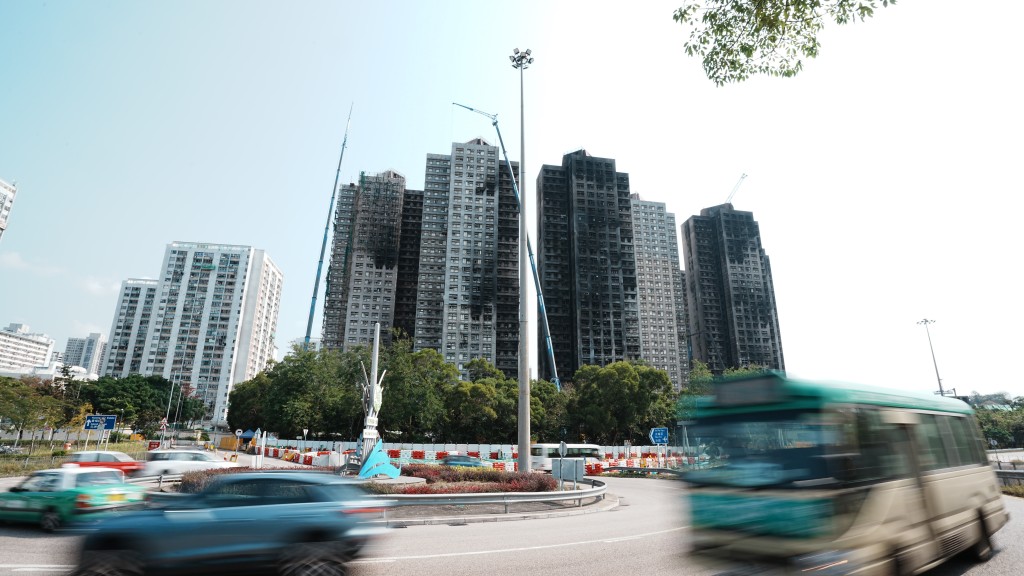
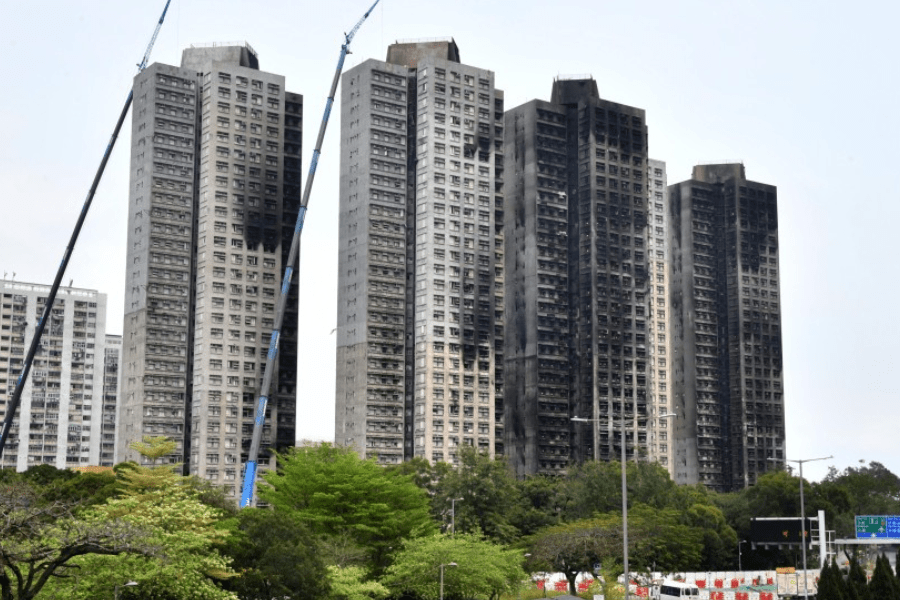
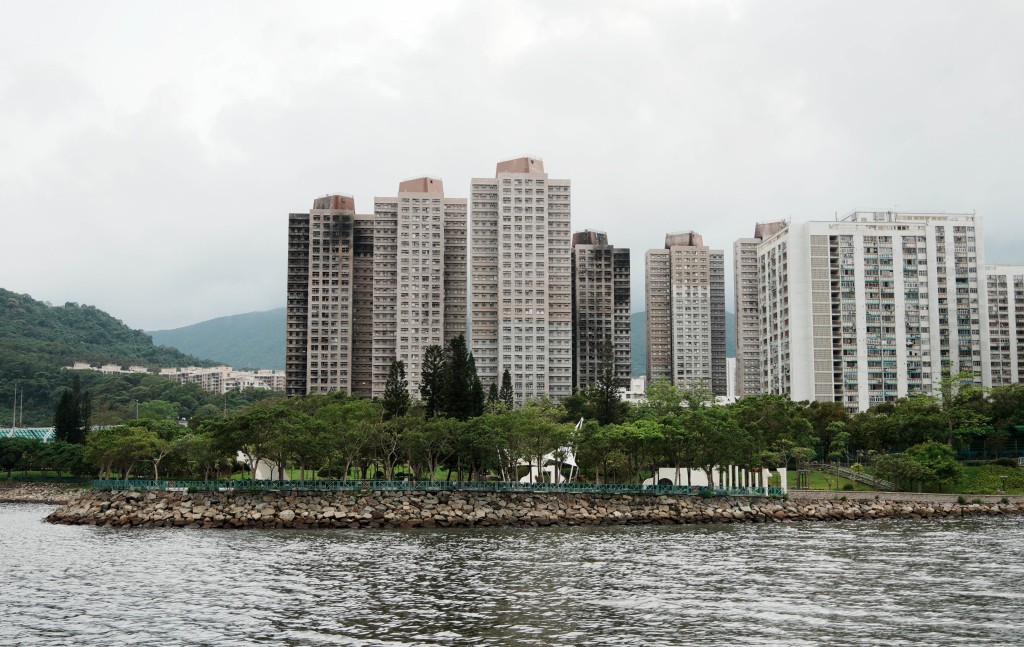
The identification process for victims of the Wang Fuk Court blaze is expected to stretch over several months, with forensic experts warning that the extreme heat has inflicted extensive damage on the remains.
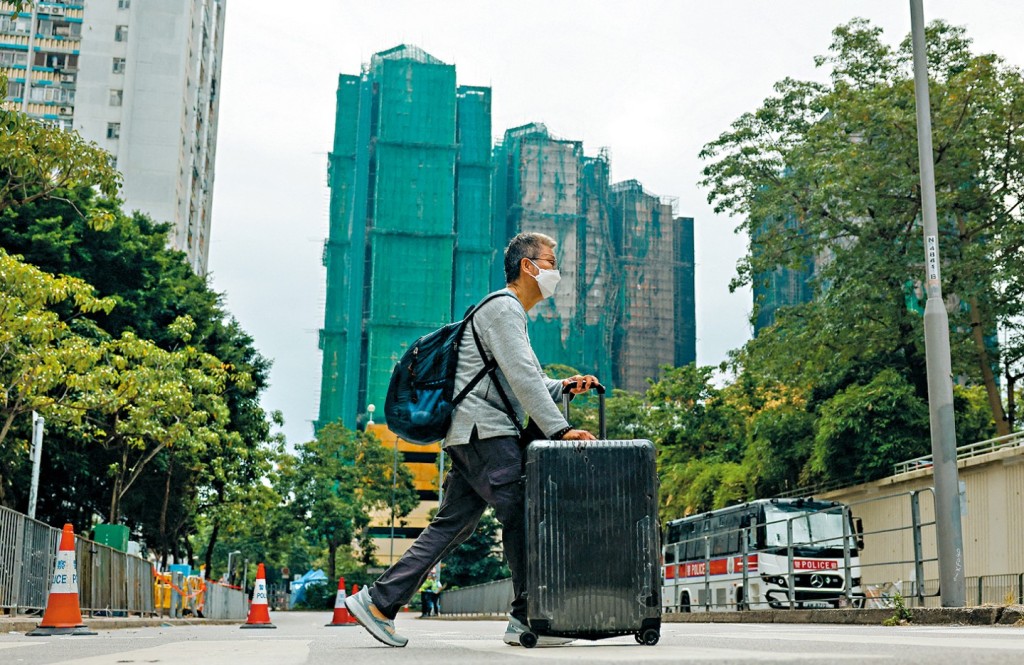
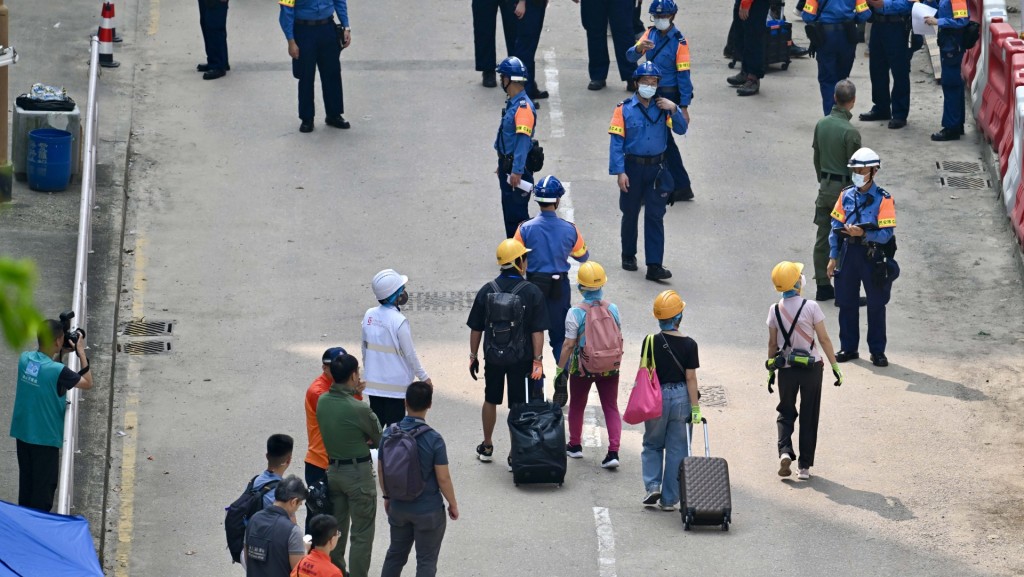
The deadly No. 5 alarm fire in Tai Po has so far claimed 159 confirmed lives, while 31 people remain unaccounted for. Police have begun collecting DNA samples from relatives of the missing to assist with identification.
Speaking on a radio program on Tuesday, dental forensic expert Carl Leung Ka-kui said DNA samples are typically taken from blood, muscle, and other soft tissues. However, he noted that the extreme heat had severely compromised the victims’ soft tissues, forcing investigators to rely on harder materials such as bone, teeth, and dental roots.
Leung added that the disaster scene contained a complex mixture of human and non-human remains, estimating that the identification process could take at least several months.
In some cases, he said, investigators may resort to personal items such as metal jewelry for verification.
Having previously taken part in the investigation of the 2004 Indian Ocean earthquake and tsunami, Leung said the next steps for the police’s Disaster Victims Identification Unit (DIVU) involve transporting bodies to the mortuary, where personal belongings will be matched before families are notified.
He compared the challenge to London’s 2017 Grenfell Tower fire, where authorities faced prolonged uncertainty over the final death toll and identification timeline.
“It's normal for identification to require several months in such circumstances,” he said.
Community support amidst grief
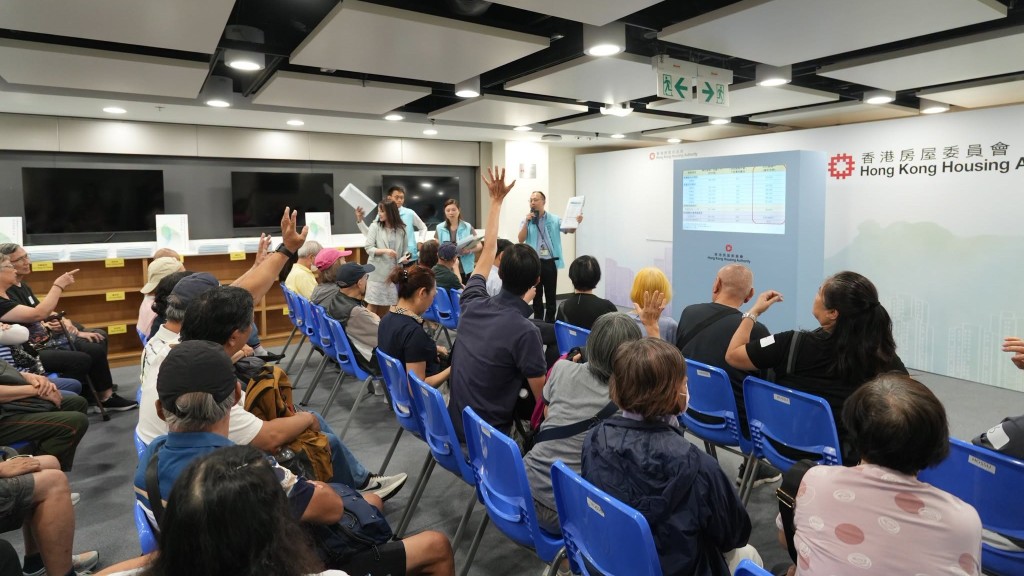
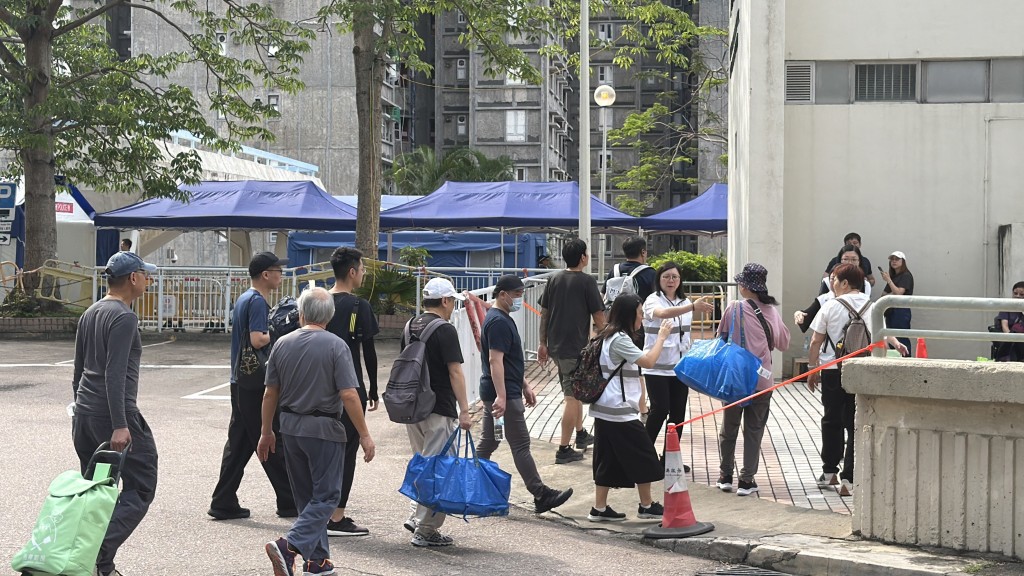
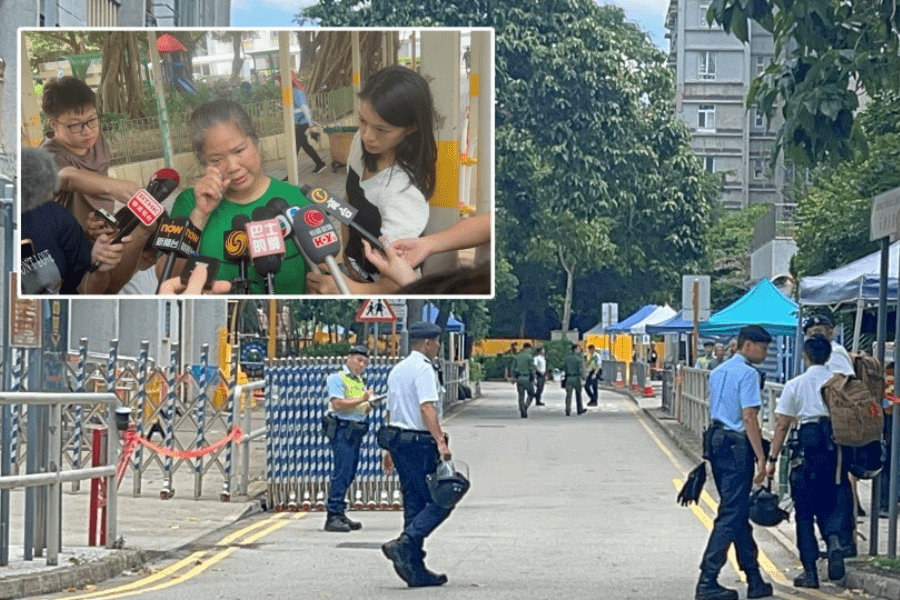
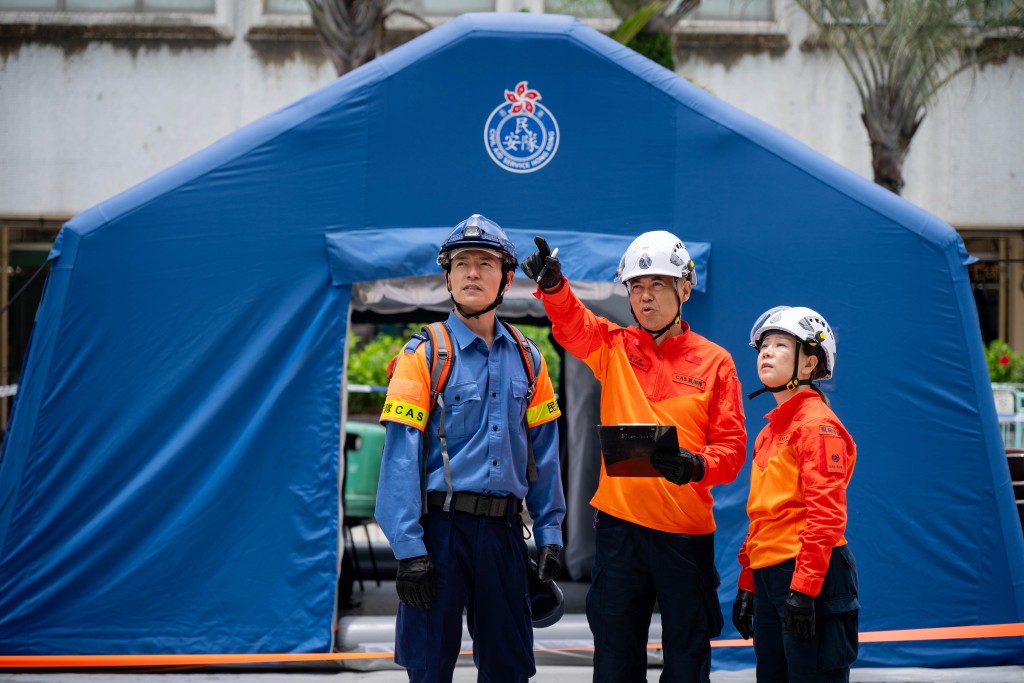
Molly Chan Mo-ning of the Hong Kong Sheng Kung Hui Welfare Council, which is supporting families at the Fu Shan Public Mortuary, described the visual identification process as deeply distressing.
Chan also noted that some rescuers were themselves residents of Wang Fuk Court.
“While heartbroken to see their neighbours among the deceased, they still hoped to contribute and bring some solace,” she said.
As the emotional impact of the disaster continues to ripple through the community, Chan urged the public to practice compassionate listening and provide sustained support, noting that people may unintentionally project their anxieties onto family members.
She added that schools can play an important role by holding post-disaster discussions to help students express their emotions and identify those most in need of support.