Read More



Night Recap - September 28, 2026
12 hours ago




HK faces week of extreme heat with temperatures soaring to 34 degrees
28-09-2026 03:01 HKT


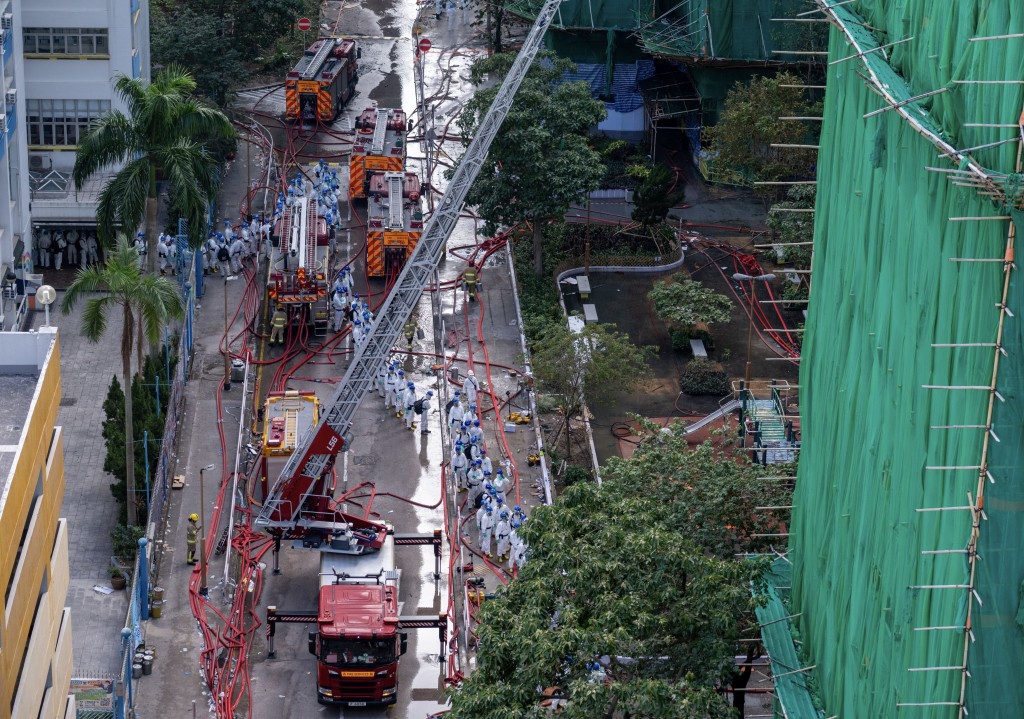
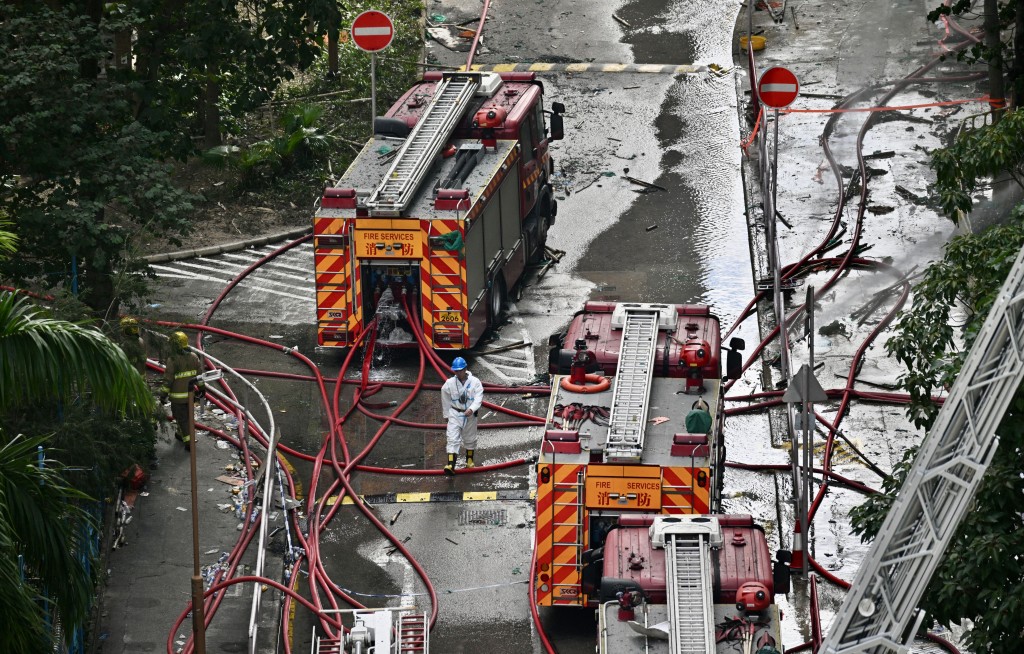
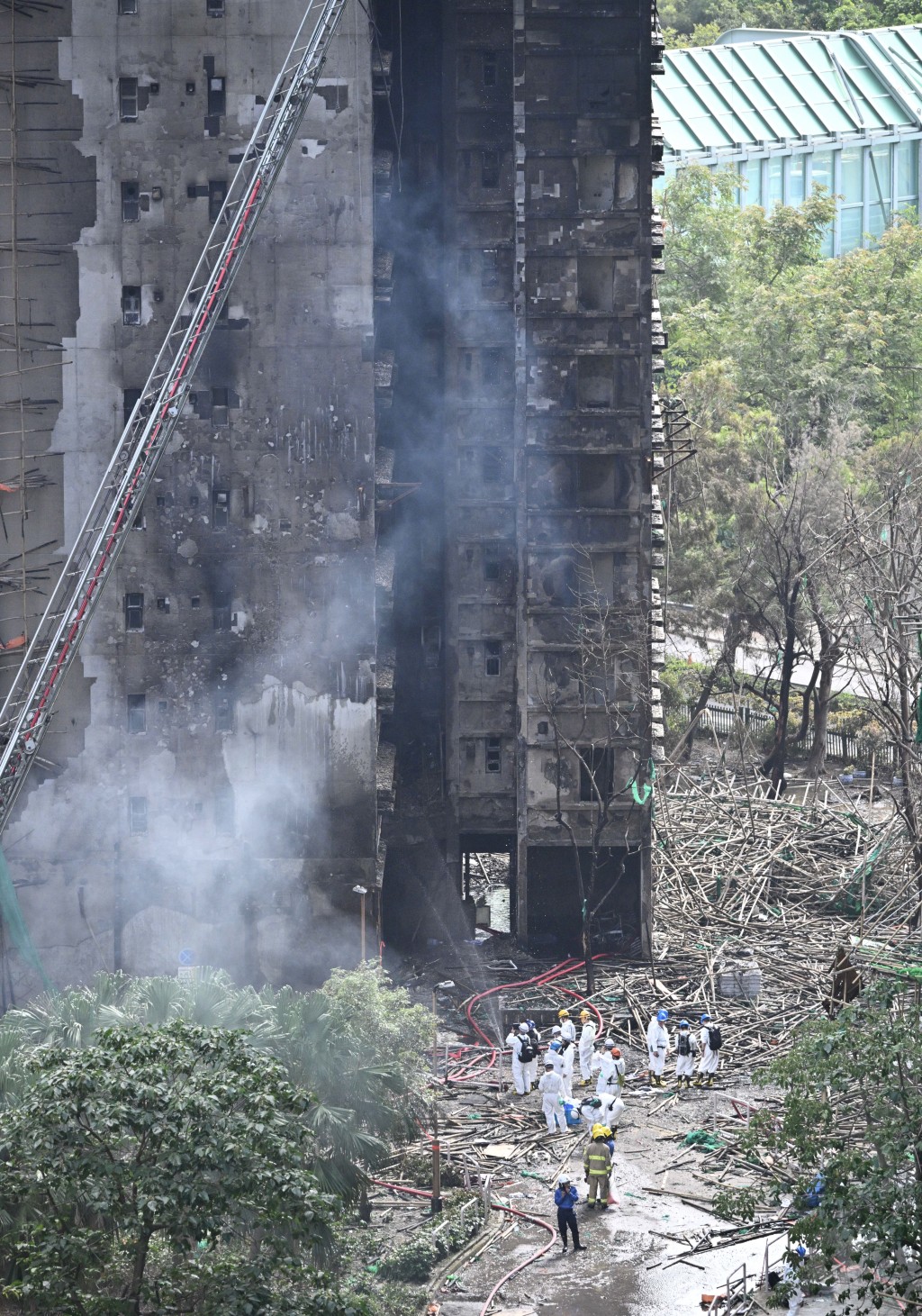
The catastrophic five-alarm fire that tore through Wang Fuk Court in Tai Po has now claimed at least 128 lives, with around 200 people still unaccounted for after authorities received 467 missing-person reports, some of which overlapped.
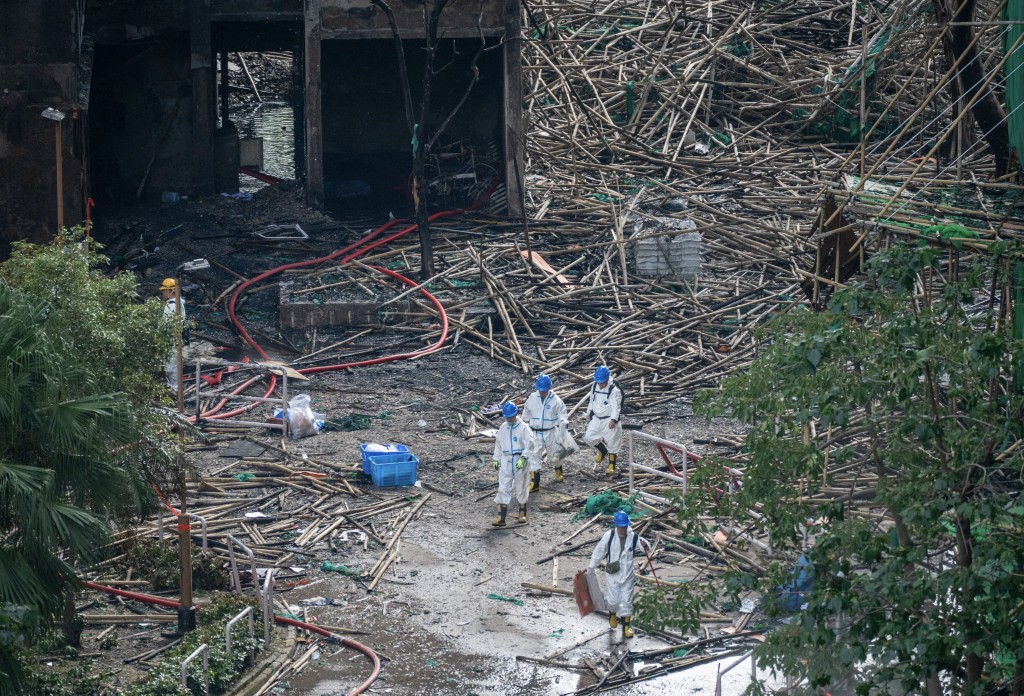
In a grim but methodical operation that began at dawn today, around 600 specialist officers from the Police Disaster Victim Identification Unit entered the blackened ruins of the public housing block to search for human remains and recover evidence that could help identify the victims.
After structural engineers from the Buildings Department declared the dangerously damaged building safe enough for limited access, the first wave of 300 white-suited officers—clad in full protective overalls and white helmets and carrying distinctive black waist packs marked “DVIU”—moved into the site shortly after sunrise. A second team of another 300 officers followed before noon.
The scorched grounds remain littered with charred bamboo scaffolding and drifting smoke. Firefighters continued to remove potential evidence while the identification teams began climbing through the wreckage floor by floor.
Working in small groups, the officers are dividing the entire site into a precise grid of five-meter squares, similar to a giant coordinate map, to ensure nothing is missed. Teams of four walk shoulder-to-shoulder in straight lines, focusing on one set of remains or fragments at a time to prevent any confusion or cross-contamination.
Every discovery—whether a body, bone fragment, or even ashes—is carefully documented with its exact location, time of recovery, condition, and any nearby personal belongings. Since 2015, the unit has used a locally developed electronic tagging system that attaches RFID chips to remains, allowing pinpoint accuracy when recording positions.
Once located, remains are placed into sealed plastic bags, labelled, and then transferred into canvas body bags—with smaller bags available for children or fragments—before being carried out for disinfection and transport to a temporary mortuary.
In the coming days and weeks, mortuary teams will work alongside families, using wallets, mobile phones, jewelry, clothing, tattoos, and physical characteristics to establish identities. Where necessary, fingerprint or DNA samples will be sent to the Government Laboratory, and pathologists will conduct post-mortem examinations before families give final confirmation.