Read More



Night Recap - October 23, 2026
15 hours ago




Late police constable Chu Chun-kwok to receive full honors funeral on Fri
22-10-2026 15:33 HKT

Kyle Kennedy, granddaughter of Robert F. Kennedy, dies at 42
22-10-2026 04:11 HKT


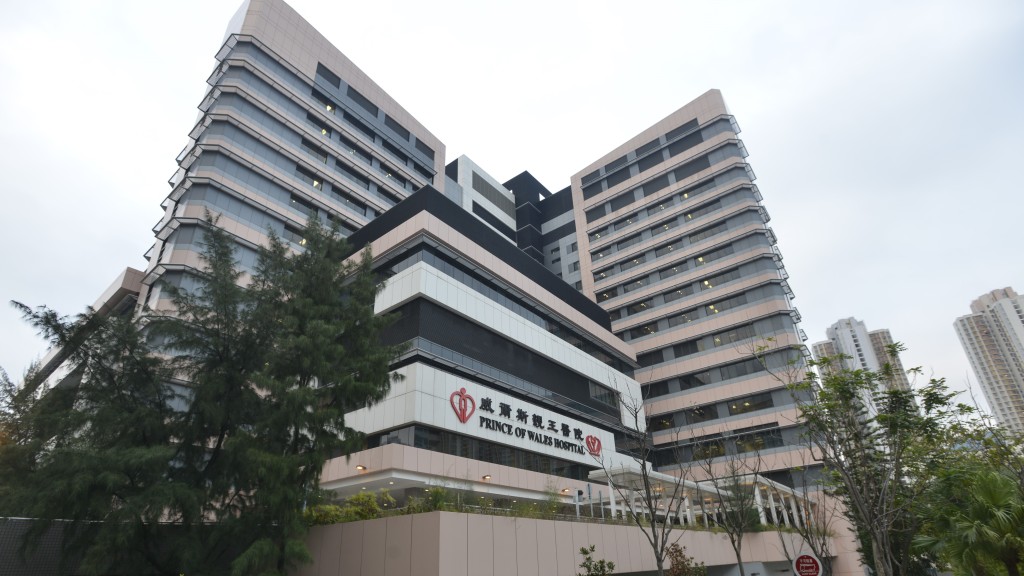
Prince of Wales Hospital will open Hong Kong’s second chest pain center early next year, aiming to further shorten the critical time needed to diagnose and treat heart attack patients.
The hospital in Sha Tin has been piloting the Chest Pain Center model in its emergency department over the past year, streamlining triage, diagnostics, and surgical intervention for suspected acute myocardial infarction cases.
During the trial, the average “door-to-balloon” time — from a patient’s arrival at the hospital to the completion of an angioplasty — was reduced to about 80 minutes, outperforming the international guideline of 90 minutes.
A real-life case underscores the impact of the new system. Ng, a 70-year-old former boxing coach, experienced sudden chest pain and cold sweats one night earlier this year and called an ambulance. Paramedics performed an electrocardiogram en route and sent the results instantly to the emergency department. Following the ER doctor’s instructions, they administered aspirin before arrival, while the hospital prepared a cardiac team and operating suite.
Ng was swiftly confirmed to have suffered a heart attack and underwent an emergency angioplasty. From the moment he arrived at the hospital to the completion of the procedure, the entire process took less than an hour.
Prince of Wales Hospital began revamping its chest pain workflow last year, enabling ambulance staff to transmit ECG results ahead of arrival and allowing hospital teams to prepare immediately. A dedicated Chest Pain Center has also been set up inside the emergency department, establishing a “green channel” for suspected cardiac patients to move seamlessly through testing, specialist diagnosis, and treatment.
Cardiologist Chui Ka-lung said the streamlined system includes immediate ECG testing and rapid troponin assays, with results dispatched to a cross-disciplinary communication group in real time. Once a heart attack is confirmed, the cardiac team can move directly to surgery.
He noted that current treatment times range from 40 to 90 minutes, with an average of 80 minutes — already below international standards. With the Chest Pain Center formally launching in the first quarter of next year, Chui expects the process to become even faster.
However, he emphasized that the most decisive factor remains how quickly patients seek help.
“The golden two hours” after symptom onset, he said, is critical in determining treatment success. Some patients still delay seeking care for hours — or even days if they are outside Hong Kong — leading to worse outcomes.
Chui urged the public to stay alert to heart attack symptoms and adopt healthier habits to prevent cardiac disease, including avoiding smoking, cutting down on high-sodium foods, exercising regularly, and maintaining cardiovascular fitness.