Read More
The Hongkong Electric Company, Limited (HK Electric) and Maxim’s Group (Maxim’s) have launched a culinary competition to encourage citizens to unlock the potential of subtle traces of unused leftover food and transform them into delicious dishes.
ADVERTISEMENT
SCROLL TO CONTINUE WITH CONTENT
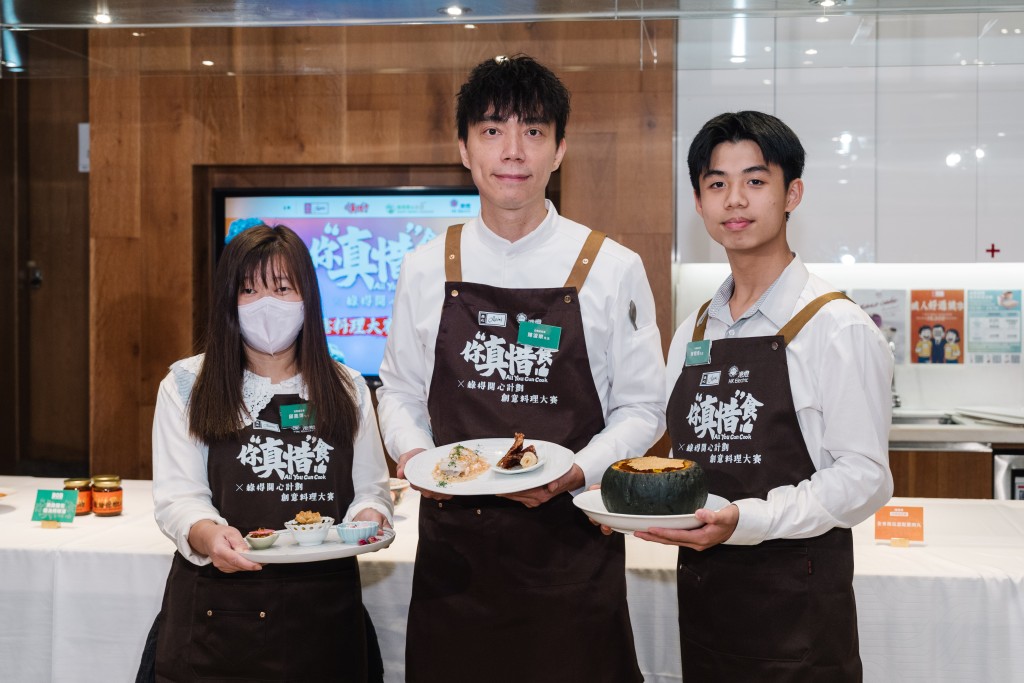
Award-winning teams from various categories showcased a selection of their dishes on Friday (Oct 24), demonstrating the potential of ingredients and providing fresh and innovative examples of waste reduction for the community.
The final contest was held on September 20 at the International Culinary Institute, where 24 finalist teams infused innovation into their cooking to compete for championship titles in four categories.
Dishes were judged based on four key criteria, including “Zero-Waste Effectiveness”, “Palatability”, “Sustainability and Technique”, and “Originality”.
The winning teams not only received dining and shopping vouchers but also had their recipes shortlisted for possible inclusion in an e-cookbook for public access, further promoting waste reduction at the source.
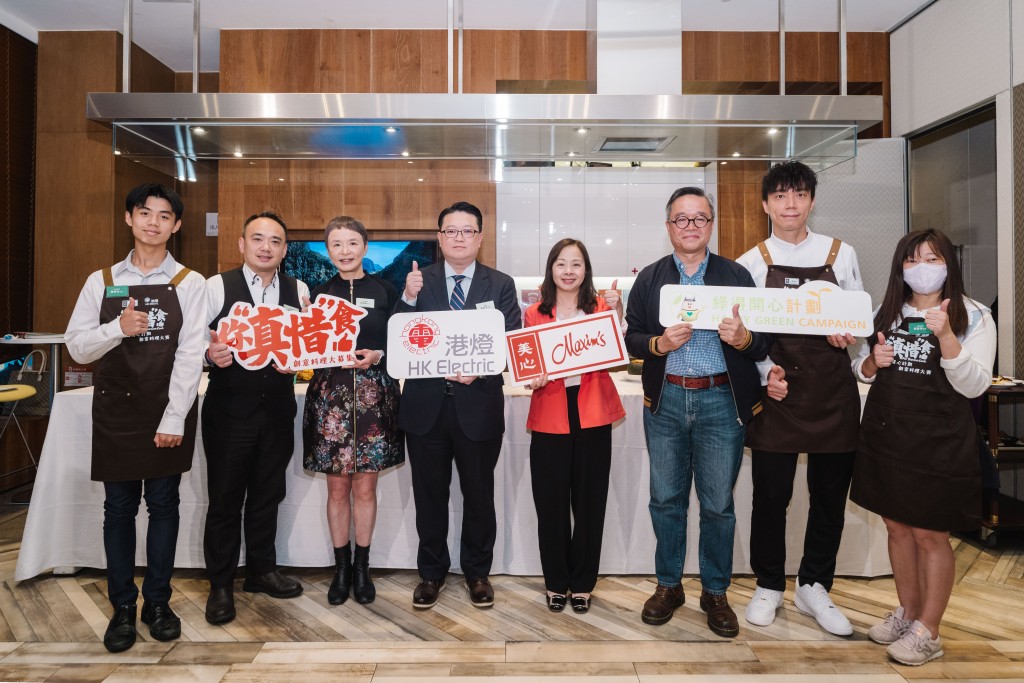
Raymond Choi, Operations Director of HK Electric, said that the company strives to inspire greater public participation and integrate sustainable practices into everyday life through maximizing resources and reducing waste.
"Through this competition, we have further integrated creative culinary concepts into our catering operations," said Keith Siu, Chief Operating Officer (Hong Kong & Macau) of Maxim's Group, "driving a new culture of food saving while setting effective examples of waste reduction for the industry and society."
Meanwhile, finalists were invited to visit Food Angel’s “Foodstep Journey” experience centre, where they gained insights into Hong Kong’s food waste challenges.
They also embarked on an immersive VR journey, gaining a first-person perspective on food waste issues and reduction strategies.
Additionally, finalists visited Hung Yat Farm, a local partner of Maxim’s "WeGen Farming" regenerative agriculture initiative. They explored how food waste is transformed into enzymes to support pesticide-free and chemical-free farming.