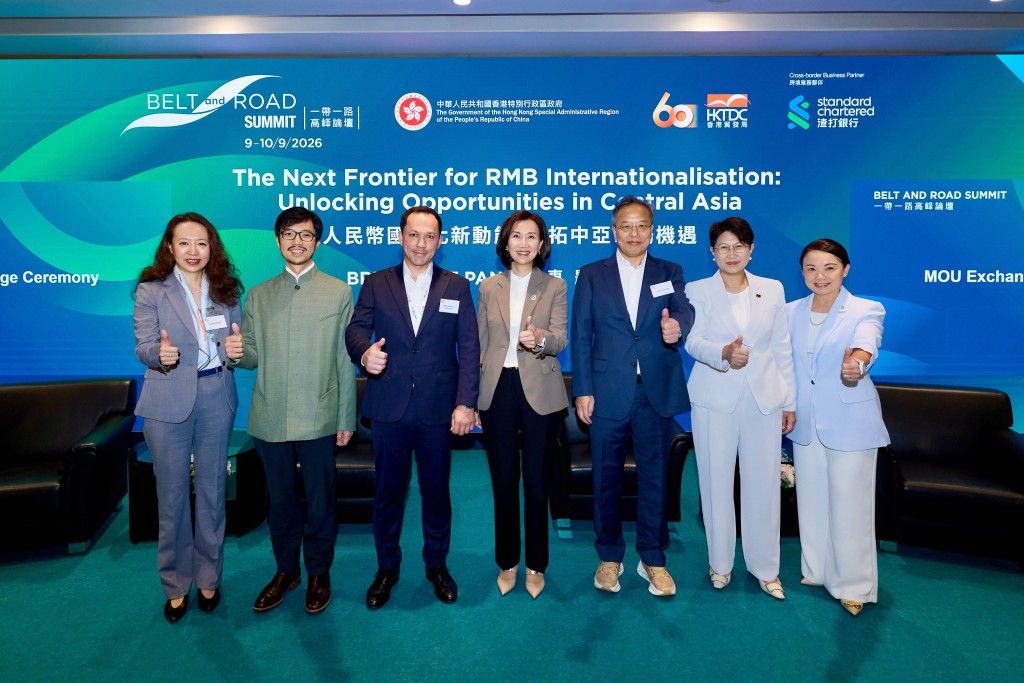
Hong Kong is set to strengthen its economic ties with Central Asia as Chief Executive John Lee prepares to lead a delegation to Kazakhstan and Uzbekistan in June. The high-level visit aims to establish new trade routes and deepen cooperation between Hong Kong and the two Central Asian nations.
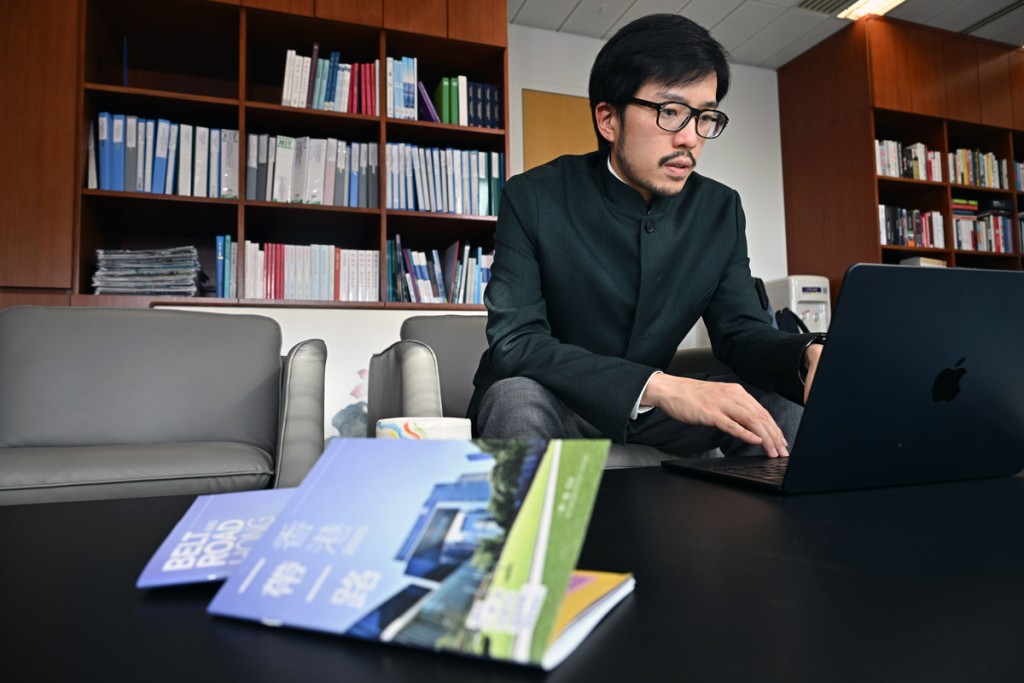
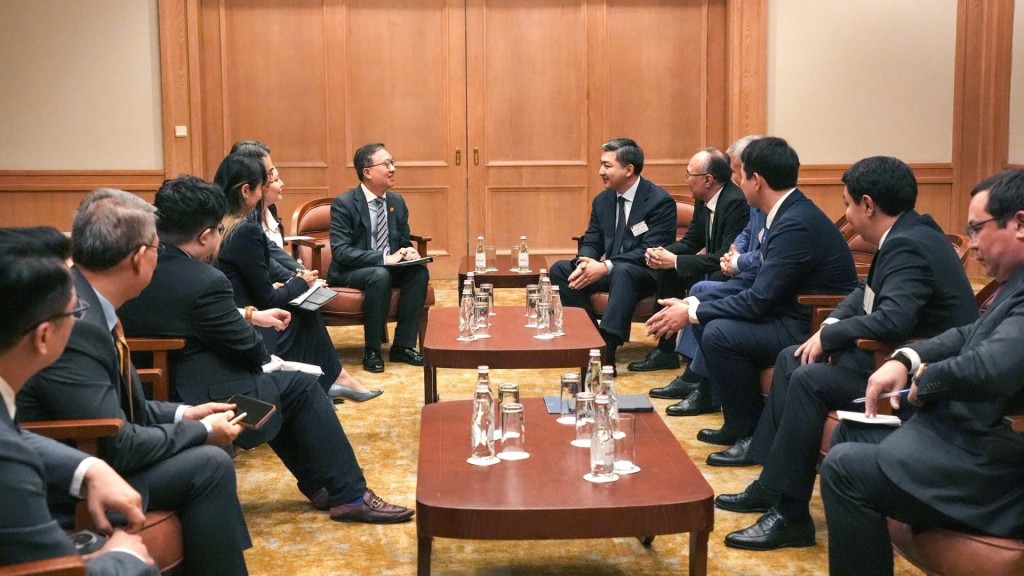
Commissioner for Belt & Road Nicholas Ho Lik-chi highlighted the substantial potential for bilateral development between Hong Kong and Central Asian countries, and outlined several key areas where the city and Central Asia can further collaborate.
He pointed to natural resources as a primary area of opportunity, noting that state-owned companies in Central Asia are seeking platforms to list and fundraise, with Hong Kong positioned to support these efforts.
Green development is another focus, with Hong Kong offering a robust green economic ecosystem—including finance, industry, technologies, standards, and professional services—to help Central Asian nations accelerate their progress toward carbon neutrality.
The digital economy is also seen as a growth sector, as Central Asian countries push ahead with artificial intelligence and digital transformation, seeking Hong Kong’s expertise to advance these initiatives.
“Fourth is tourism infrastructure,” Ho added. “Central Asia has a lot of rich tourism assets, and Hong Kong service providers and hospitality brands can help invest and develop Central Asian countries to unlock these tourism treasures.”
Ho emphasized that Hong Kong has emerged as an ideal trading hub for the Belt & Road Initiative, noting that total merchandise trade with Central Asia grew by 27 percent from 2020 to 2025. He expressed confidence that the upcoming visits will further promote economic and trade development between Hong Kong and Kazakhstan and Uzbekistan.
“For this mission, we are hoping to first expand into new markets. Second is to build these communication mechanisms,” Ho said. “We are hoping that this mission will open big doors between government to government, and also chamber to chamber, business to business. These are important communication channels.”
Ho also envisions a 'hub-to-hub' model, with Hong Kong serving as a gateway for Central Asian companies to access the Greater Bay Area, mainland China, ASEAN, and beyond. Conversely, Kazakhstan and Uzbekistan could act as entry points for Hong Kong and regional firms seeking opportunities in Central Asia.
Hong Kong Trade Development Council (HKTDC) principal economist Alice Tsang noted that the council closely tracks the emerging market’s development, citing ongoing opportunities for growth.
She highlighted that more Kazakhstani companies are seeking listings in Hong Kong, and organizations such as the Development Bank of Kazakhstan have issued 'dim sum' bonds in the city. The services sector, she added, holds huge potential, with 14 Hong Kong companies already registered at the Astana International Financial Centre.
“We believe that there are more Hong Kong businessmen or companies that are interested in these new Central Asian markets.”
HKTDC director of research Bruce Pang observed that several Central Asian countries have launched significant economic reforms.
“They want to diversify their economy. Like Uzbekistan, the policy-makers vow to better upgrade their light industry. So we may expect more imported products from their light industries.”