Read More






Xiaomi CEO Lei Jun takes selfie with Musk goes viral online
14-05-2026 23:39 HKT

Hong Kong: a familiar, trusted partner for Australian businesses
11-05-2026 06:00 HKT


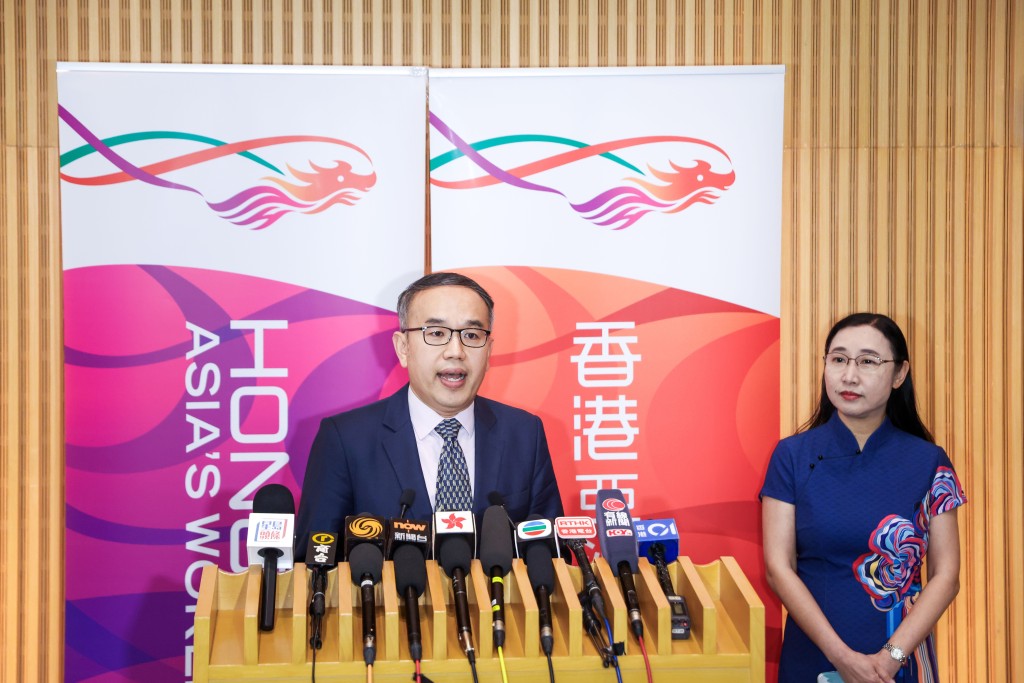
The government’s controversial bottled water procurement scandal exposed a gap between the vigilance of public departments and the expectations of citizens, said Financial Services and the Treasury Secretary Christopher Hui Ching-yu, who prmosied a full review and reform of the procurement system.
Speaking on a radio program on Tuesday, Hui stressed that the issue did not arise from the government’s “lowest price wins” tendering rule.
He explained that bidders must first meet certain requirements before price becomes a consideration. However, he acknowledged that officials responsible for screening bids “need to play a stronger gatekeeping role.”
“The incident shows that the insight and alertness demonstrated by departments during procurement fell short of what both the public and the government expect,” Hui said. He added that systemic reform is needed to strengthen internal checks and ensure greater accountability.
Hui said the government will issue clearer guidelines to departments, empowering staff to conduct on-site inspections and verify contractor information through third-party assessments during due diligence.
The new framework will cover every stage of the process — from preparing tender documents and bid evaluation to contract management after signing, said Hui.
“I hope colleagues won’t just tick boxes mechanically,” Hui remarked. “We need them to stay alert, not just finish the job.”
To enhance oversight, the Government Logistics Department has set up a Procurement and Stores Management Audit Section and expanded the role of its original internal audit team.
The team will no longer focus solely on whether purchases comply with policies, but will instead adopt a risk-based approach to strengthen random checks and due diligence reviews.
Hui emphasized that the investigation’s goal was “not to hunt for errors” but to “empower departments.” He said the government is exploring better ways for departments to share information during tenders.
“If one department detects a suspicious bid, that information should be shared with others to prevent similar problems arising elsewhere,” he noted.
He also called for a cultural shift within the civil service.
“We want staff to have more suspicion, more caution, and more heart,” Hui said. “They should act with a sense of ownership — as if they were making the purchase themselves. If there’s something in the procurement process that doesn’t make sense, speak up.”
Supplier list to be renamed
Hui clarified that the company involved in the incident, Xin Ding Xin Trade Co., Limited, was never on the government’s official supplier list.
He explained that the list merely contains contact details of compliant companies and does not mean they are certified or vetted suppliers. To avoid misunderstanding, the government will rename the list the “Notification List.”
Hui added that the case involves personnel from various levels of the Financial Services and the Treasury Bureau and the Government Logistics Department. A third-party organization has been appointed to conduct an independent disciplinary investigation.
“If departments had exercised proper vigilance and every staff member fully understood their responsibilities, this incident would not have happened,” Hui said.