





Read More





HK movie producer Raymond Wong Pak-ming convicted of insider dealing
22-05-2026 17:10 HKT

Swire Properties wins compulsory auction for $2.02b Quarry Bay property
22-05-2026 20:36 HKT
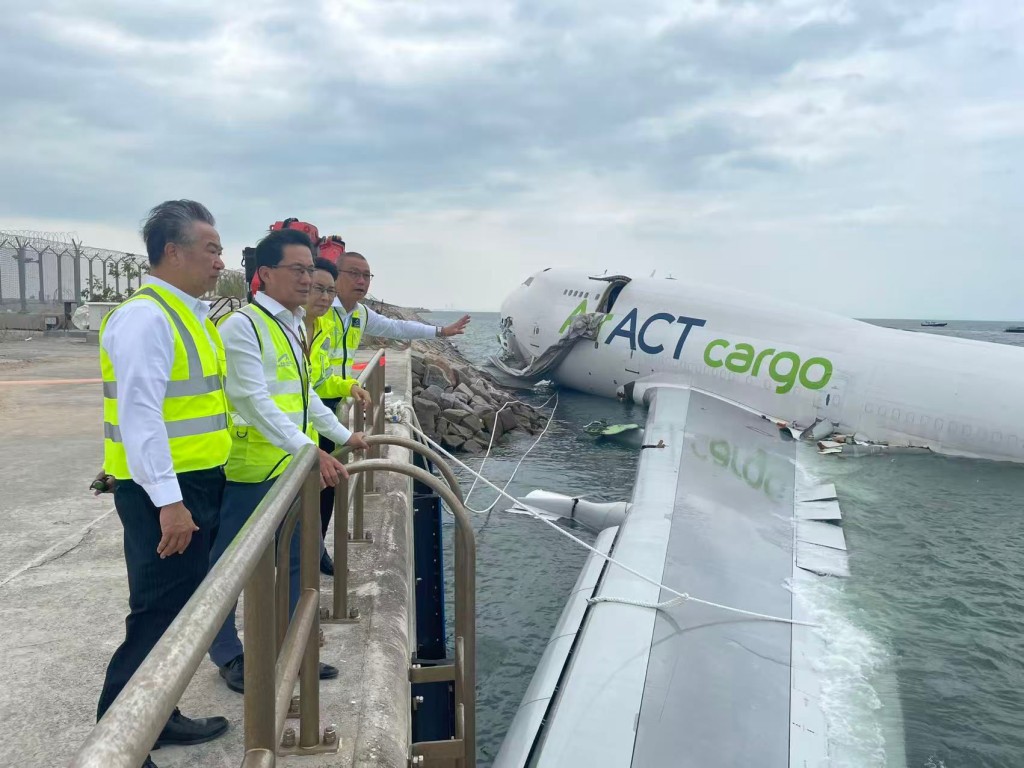
Following Monday’s fatal cargo plane crash at Hong Kong International Airport, aviation experts said most runway incidents worldwide are linked to human error and that a full investigation report could take up to a year.
Steven Cheung King-lung, Chairman of the Hong Kong Professional Airline Pilots Association, said runway-related incidents occur occasionally at airports across the globe — sometimes involving other aircraft, vehicles, or even animals — though few reach the severity of Monday’s disaster.
“Most runway accidents involve human error,” Cheung said. “Pilots have the ultimate legal responsibility. They must repeat and reconfirm any instructions from air traffic control to ensure they are lawful and safe. If a pilot believes there is a mistake, they are obliged to perform a go-around or even divert to another airport.”
He stressed that all pilots, whether operating passenger or cargo aircraft, are bound by the same international aviation laws and standard operating procedures.
“Licensing authorities must comply with the regulations set by the International Civil Aviation Organization (ICAO),” he said.
Cheung said it typically takes about a year for investigators to release a formal report, noting that the probe should examine tower instructions, communication clarity, and whether language barriers played a role.
“Investigators should also review whether the crew received and followed proper landing clearance and assess recent flight records, including fatigue levels or possible momentary disorientation,” he added.
The four male crew members aboard the Emirates SkyCargo flight were from Turkish Airlines. Cheung said his association had reached out to the Turkish Airline Pilots Association, advising them to handle the case in accordance with international standards.
Drawing parallels with Hong Kong’s aviation history, Cheung recalled a similar incident in 1993 when a China Airlines jet carrying 296 people overran the runway at Kai Tak Airport and plunged into Victoria Harbour during Typhoon Ira. All on board survived.
“That accident occurred under typhoon signal No. 8,” he said. “This time, the weather was not particularly bad. Although a strong monsoon signal was in effect, the pilots should have been able to land safely with proper handling of wind direction and speed.”
Meanwhile, Warren Chim Wing-nin, Deputy Chairman of the Hong Kong Institution of Engineers’ Aircraft Division, said the plane’s sudden left turn after landing was unusual.
“Normally, after touchdown, an aircraft brakes, idles its engines, and engages reverse thrust — it should continue moving straight,” he explained.
Chim said only minor directional adjustments are typically made using rudder pedals.
“Such a sharp turn should not occur unless there was an external factor or a system fault,” he said. “Investigators will need to analyze black box data to determine the aircraft’s speed, descent rate, and braking performance to understand what exactly happened.”
Both experts agreed that retrieving the flight recorders will be key to uncovering the cause of Hong Kong’s first fatal airfield accident in over two decades.