Read More
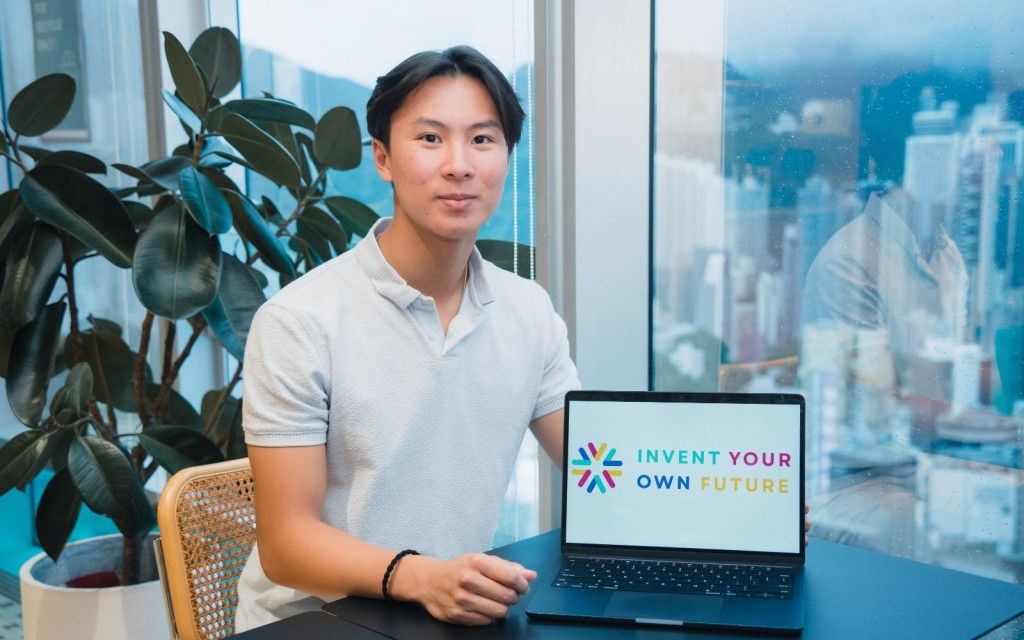
A visionary 19-year-old from Hong Kong is redefining success by breaking away from traditional career paths and helping students build their own futures through a youth-led nonprofit.
ADVERTISEMENT
SCROLL TO CONTINUE WITH CONTENT
Preston Chan, a sophomore studying Political Science and Economics at the University of Southern California, founded Invent Your Own Future at just 15.
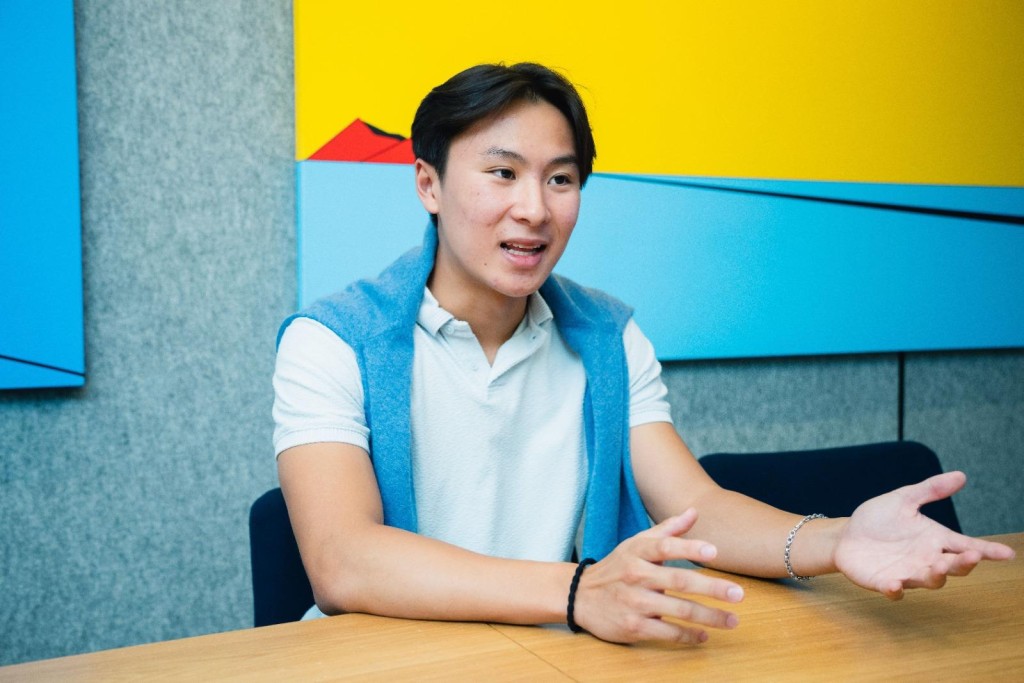
“I wanted my peers to have the chance to explore what tomorrow could look like, not just follow the careers of yesterday,” Chan told The Standard in an exclusive interview.
His nonprofit, now run with student ambassadors across Hong Kong, the UK, and the US, is shifting the focus from narrow definitions of success toward creating platforms where teenagers can experiment, collaborate, and discover.
“Students at this age often hold different opinions from adults,” he said, noting that the organization’s youth-led model is what makes it so powerful.
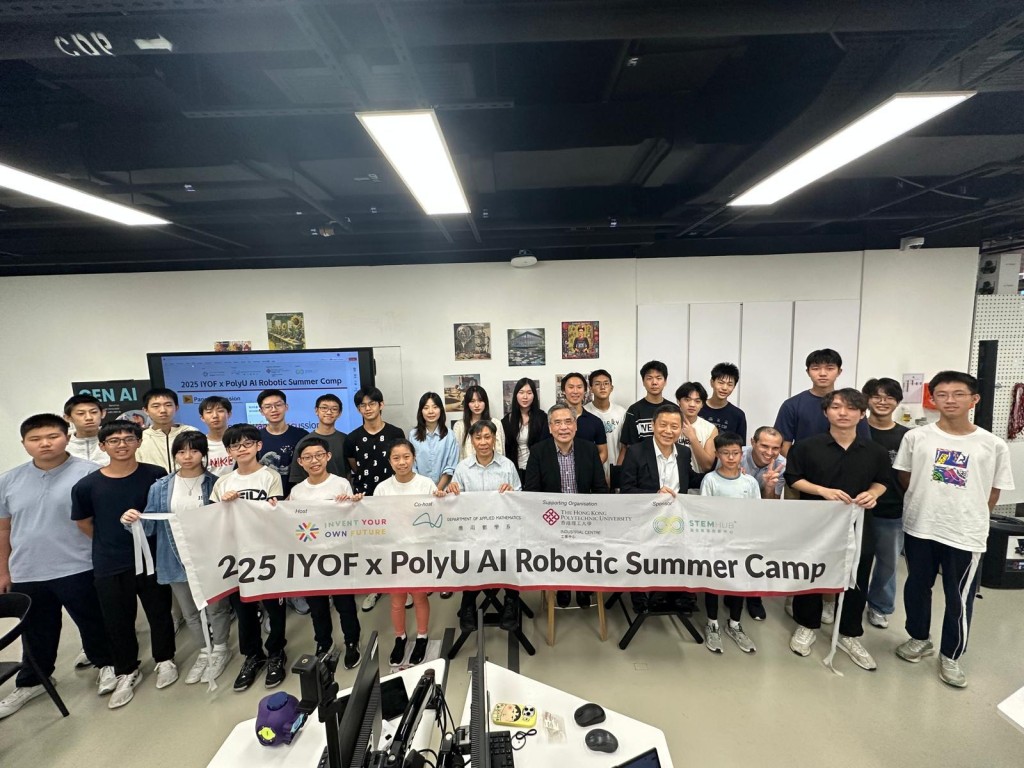
This summer marked a milestone. Partnering with Hong Kong Polytechnic University, Invent Your Own Future hosted two five-day programs in AI and Robotics and Neuroscience that immersed local and mainland students in frontier fields shaping the future.
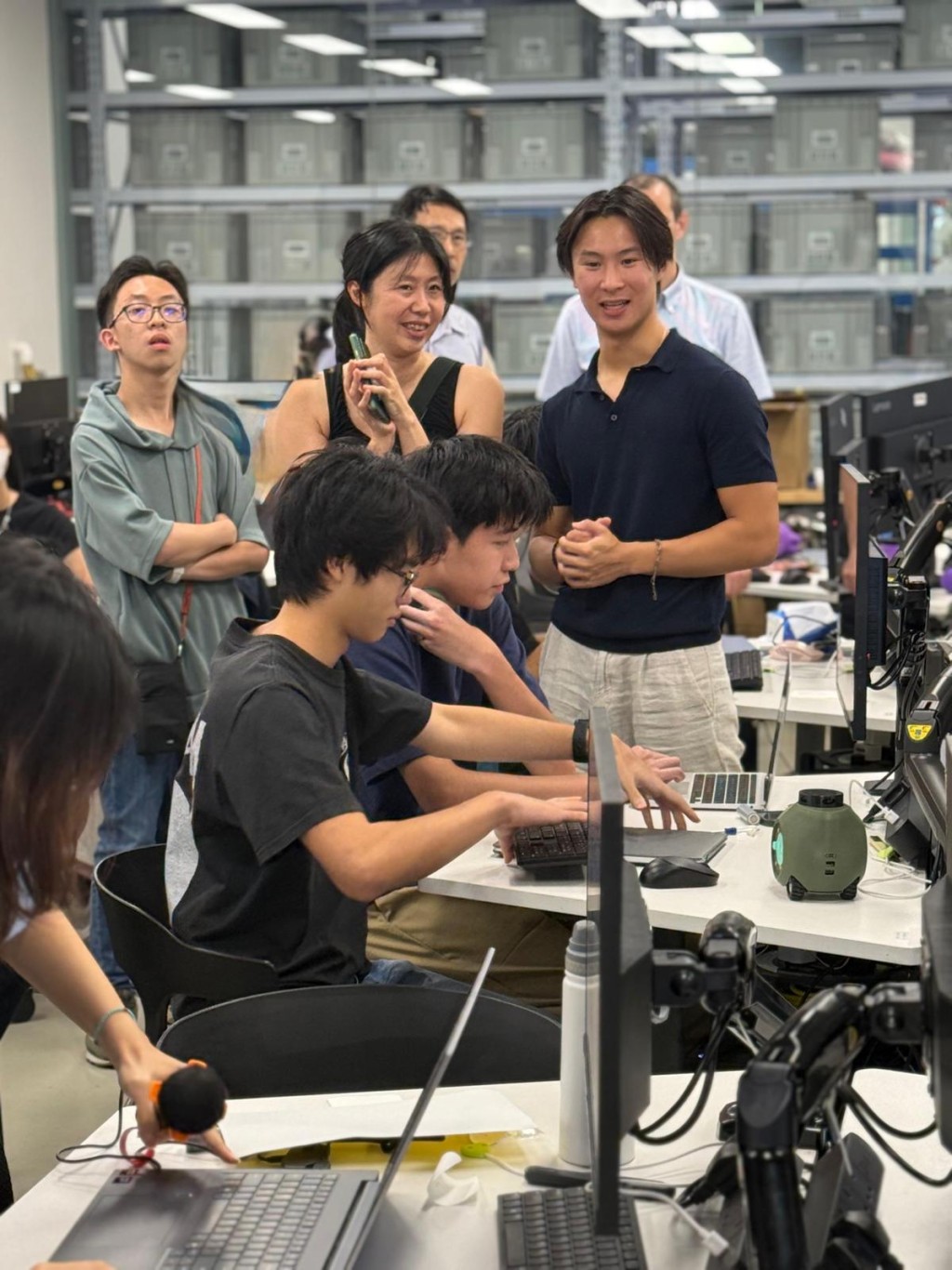
In the Robotics program, Professor Cedric Yiu, Associate Head of the Department of Applied Mathematics, and Dr. Wai Hon-wah, Director of the Industrial Centre, guided participants through embodied intelligence, robot navigation, culminating in a robot race competition where students programmed and coded robots to complete a course.
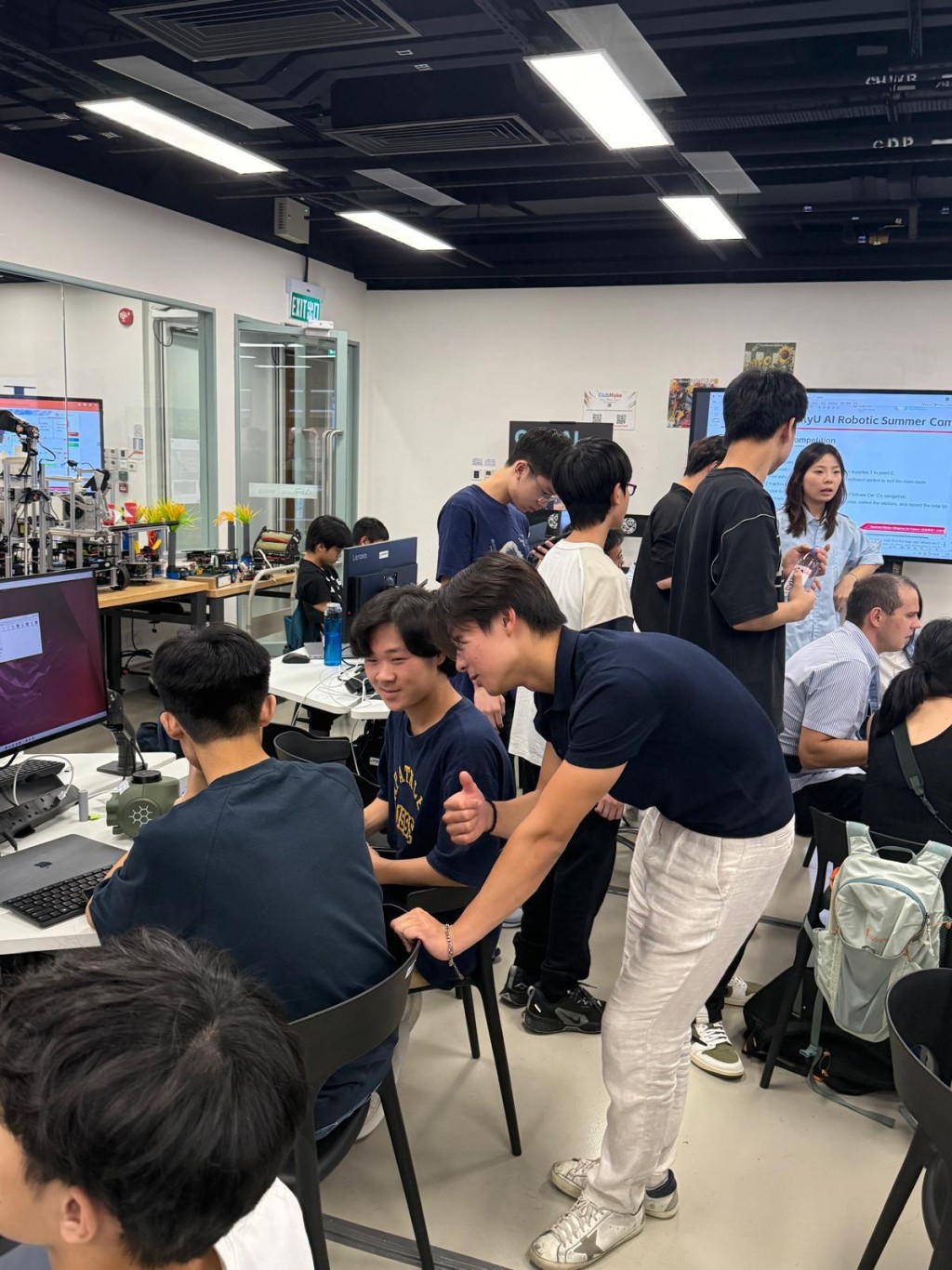
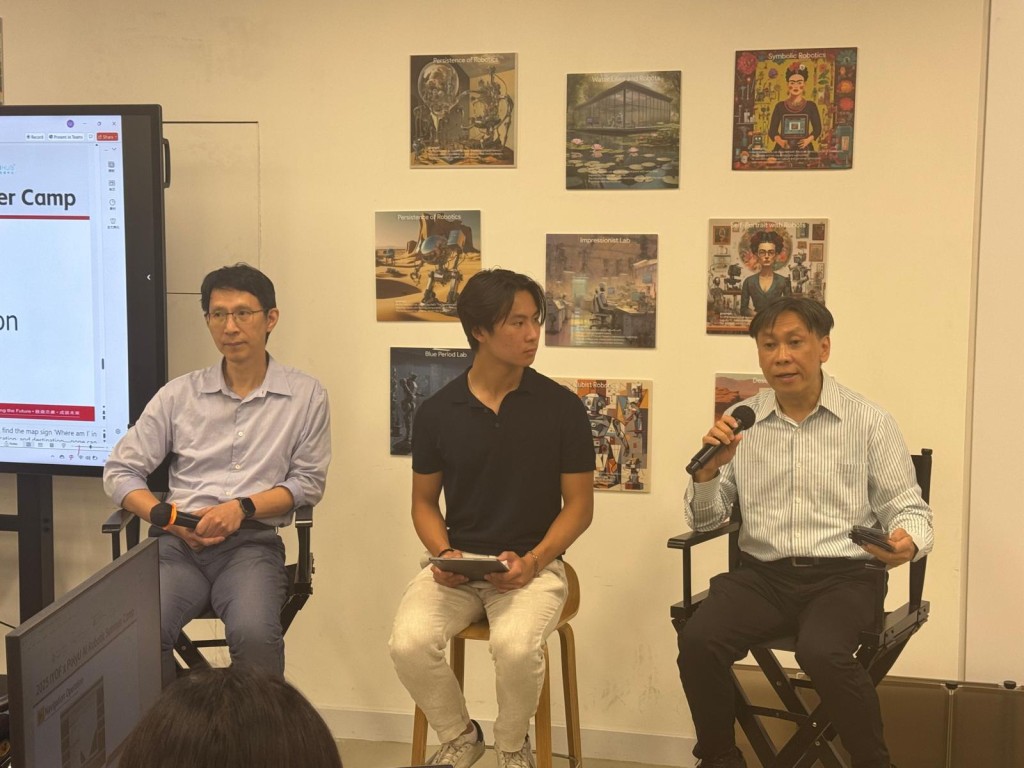
In the Neuroscience track, students learned directly from global STEM scholars, led by Professor Qiu Anqi, together with Professor Grace Ho and Professor Benjamin Yee from the Mental Health Research Centre of PolyU and Professor Irene Llorente and Dr. Vanessa Kan from Stanford University, as well as Professor Zuo Xinian from Beijing Normal University.
Together, they explored imaging techniques in the human brain and animal models, regenerative medicine, and the ethics of AI in research. In addition to lectures, students also gained some hands-on experience with Dr. Patrick Yeung, like participating in an EEG experiment, at the UBSN of PolyU.
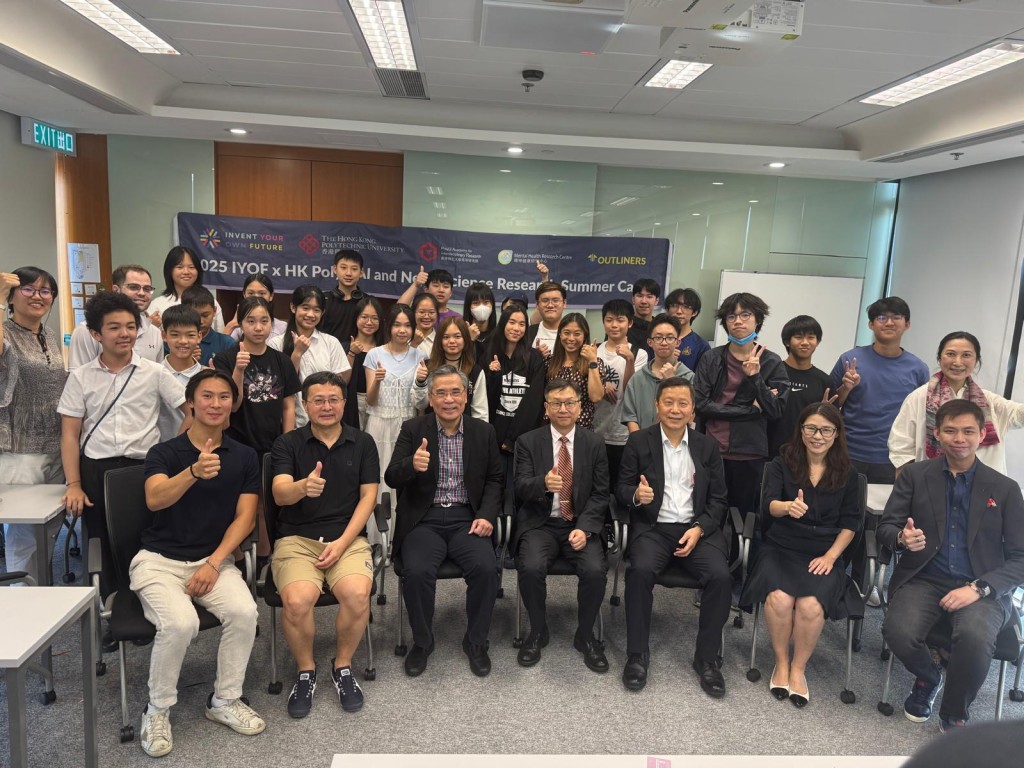
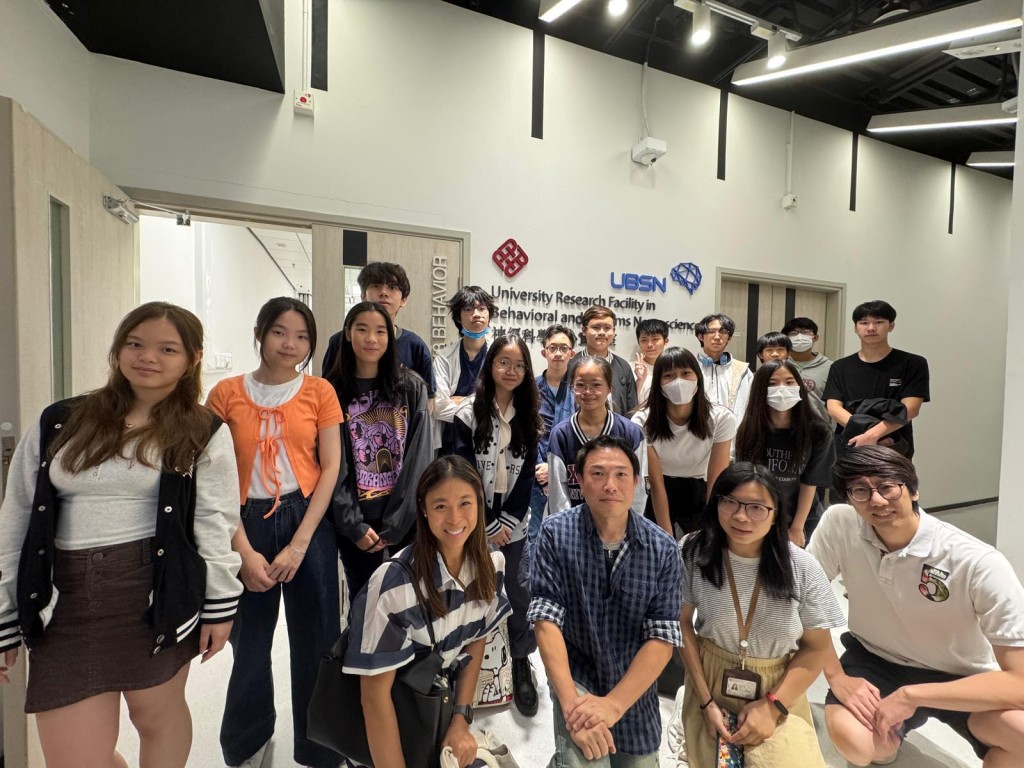
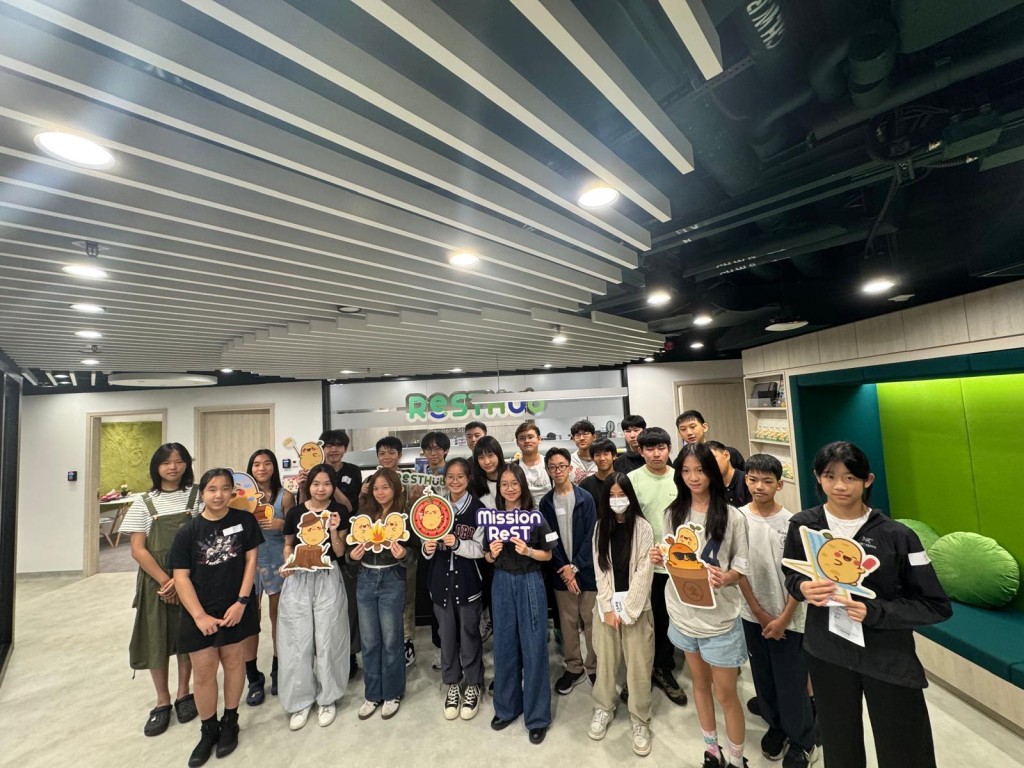
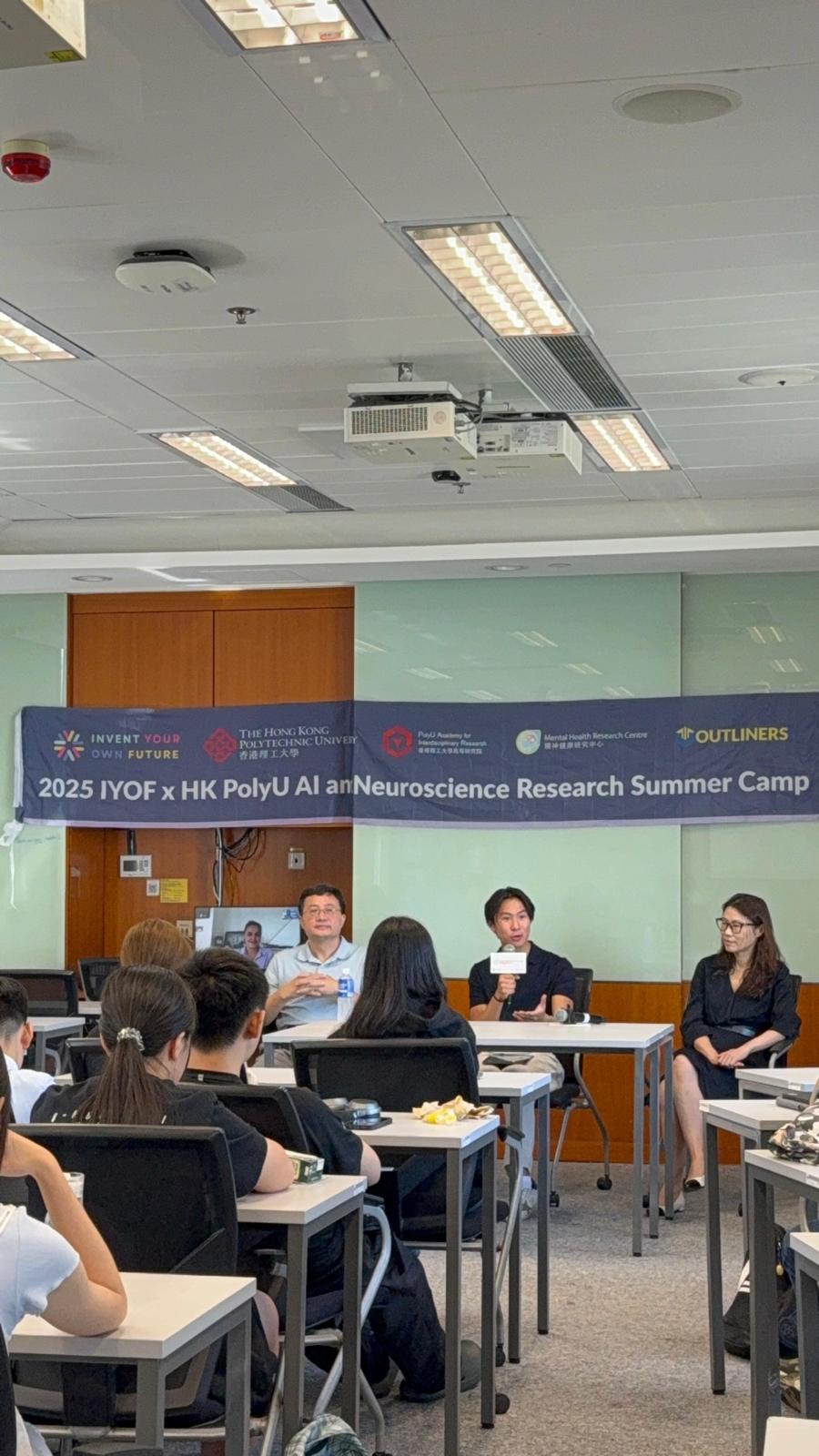
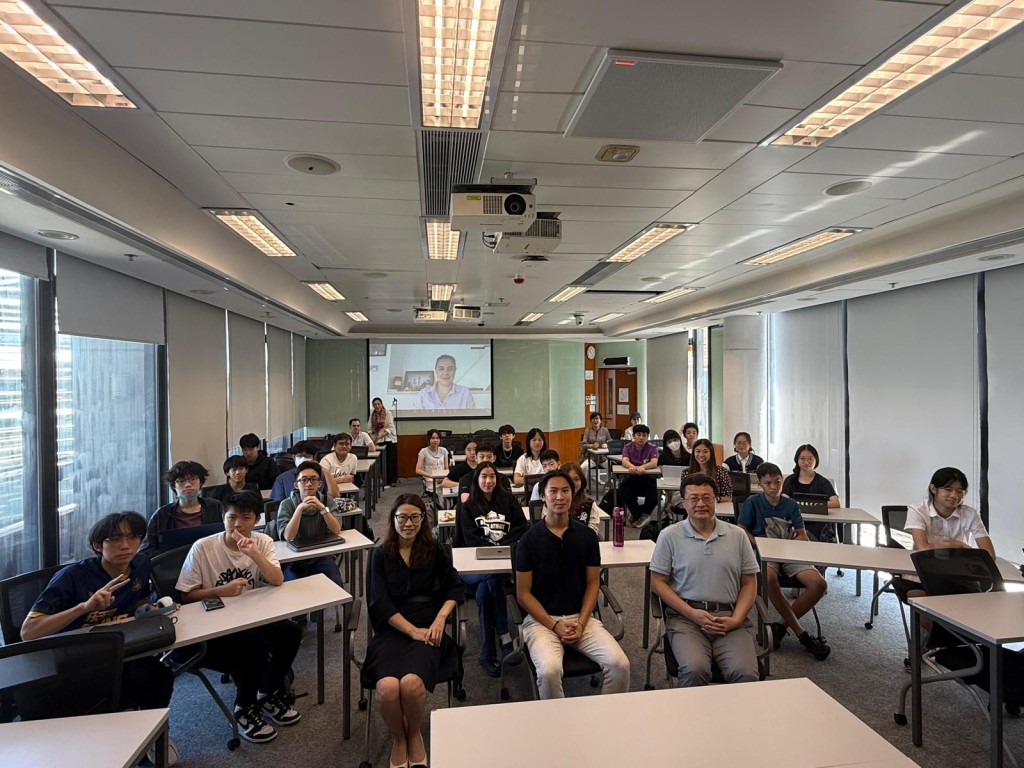
For Chan, the highlight was watching students, from local high schoolers to international participants, step into roles of problem-solvers and innovators. “One student built a prototype for hospital robots, another designed experiments around digital stress. These are glimpses of how the next generation will transform industries,” he said.
Looking ahead, Chan and his team plan to expand programs into areas like venture capital and biotech, forging partnerships with universities, corporations, and policymakers to empower youth to be innovative in their career paths.
The vision is clear: empower students as early as middle school to test ideas that might one day (re-)define our economies, communities, and technologies.
“Everybody’s definition of success is different,” Chan said. “For our students, it’s not just finding a career, it’s inventing possibilities the world hasn’t yet imagined.”