





Read More







Night Recap - August 25, 2026
6 hours ago




Taxi stuck sideways in narrow Central alley
24-08-2026 15:55 HKT
HOY TV has issued an urgent warning after scammers sent fraudulent SMS messages impersonating the broadcaster, part of a broader surge of over 1,100 online scams this month in Hong Kong, aiming to steal personal and financial information from unsuspecting victims.
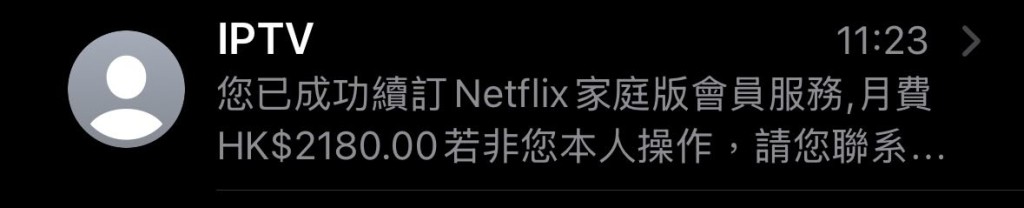
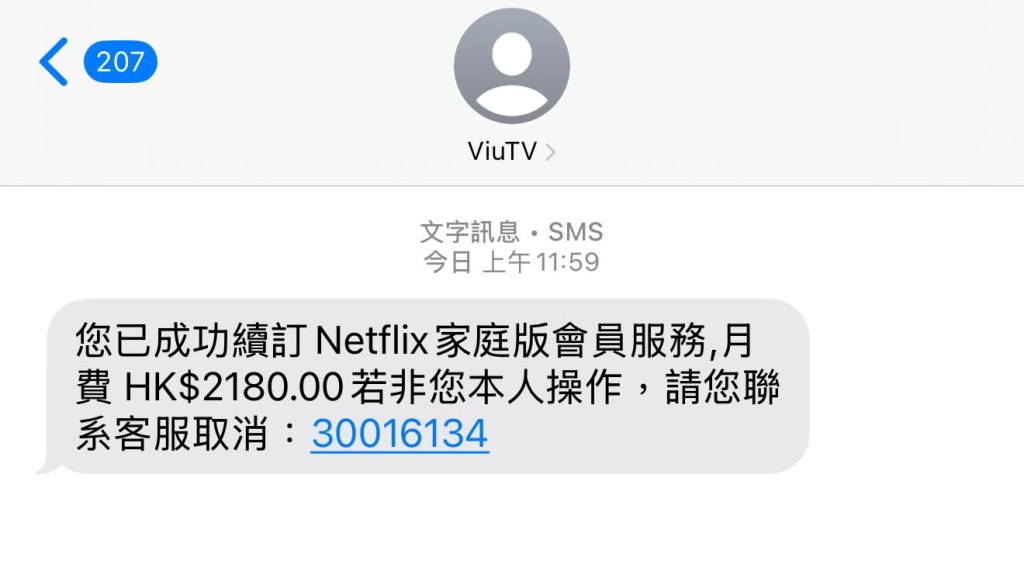
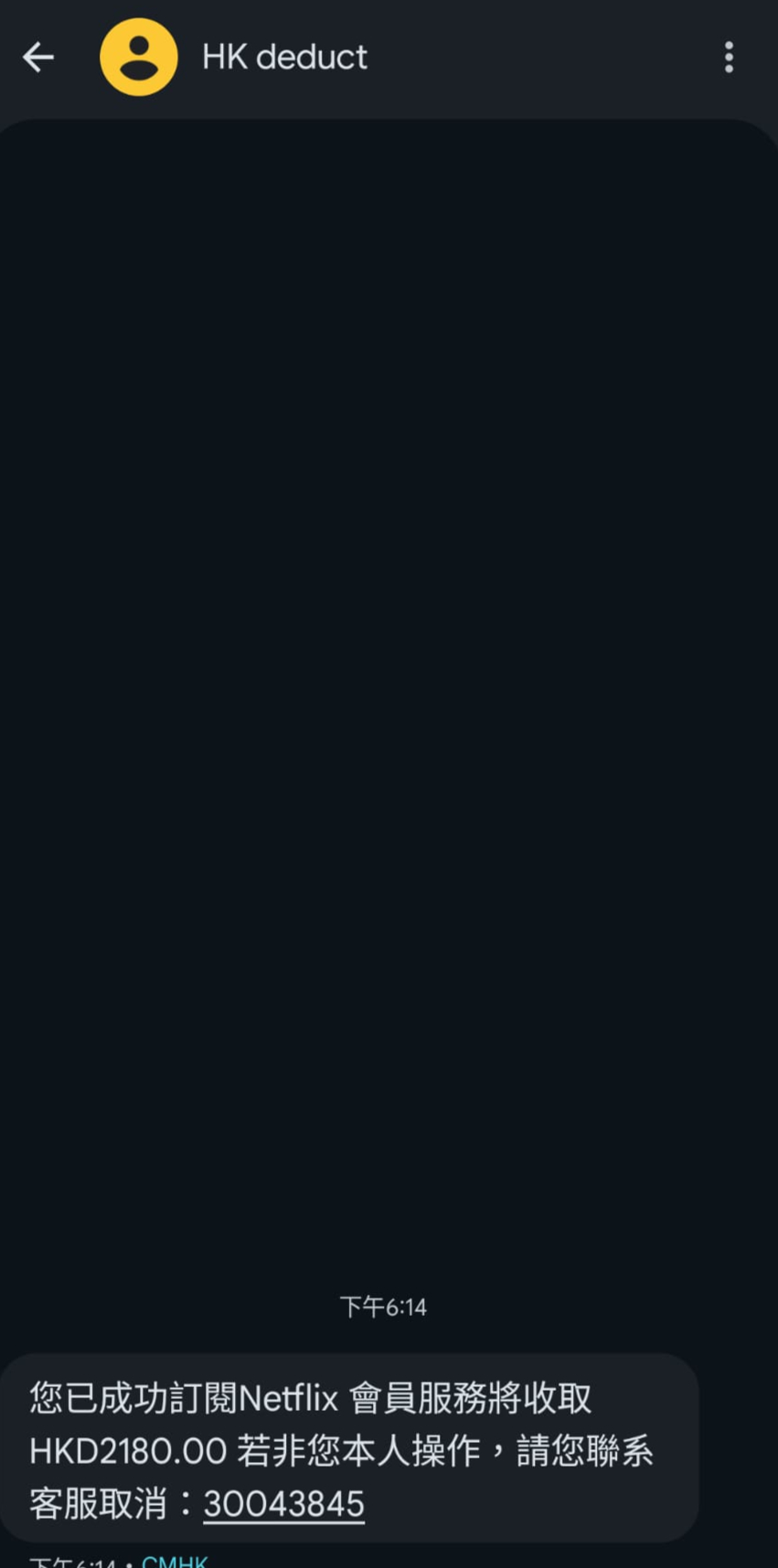
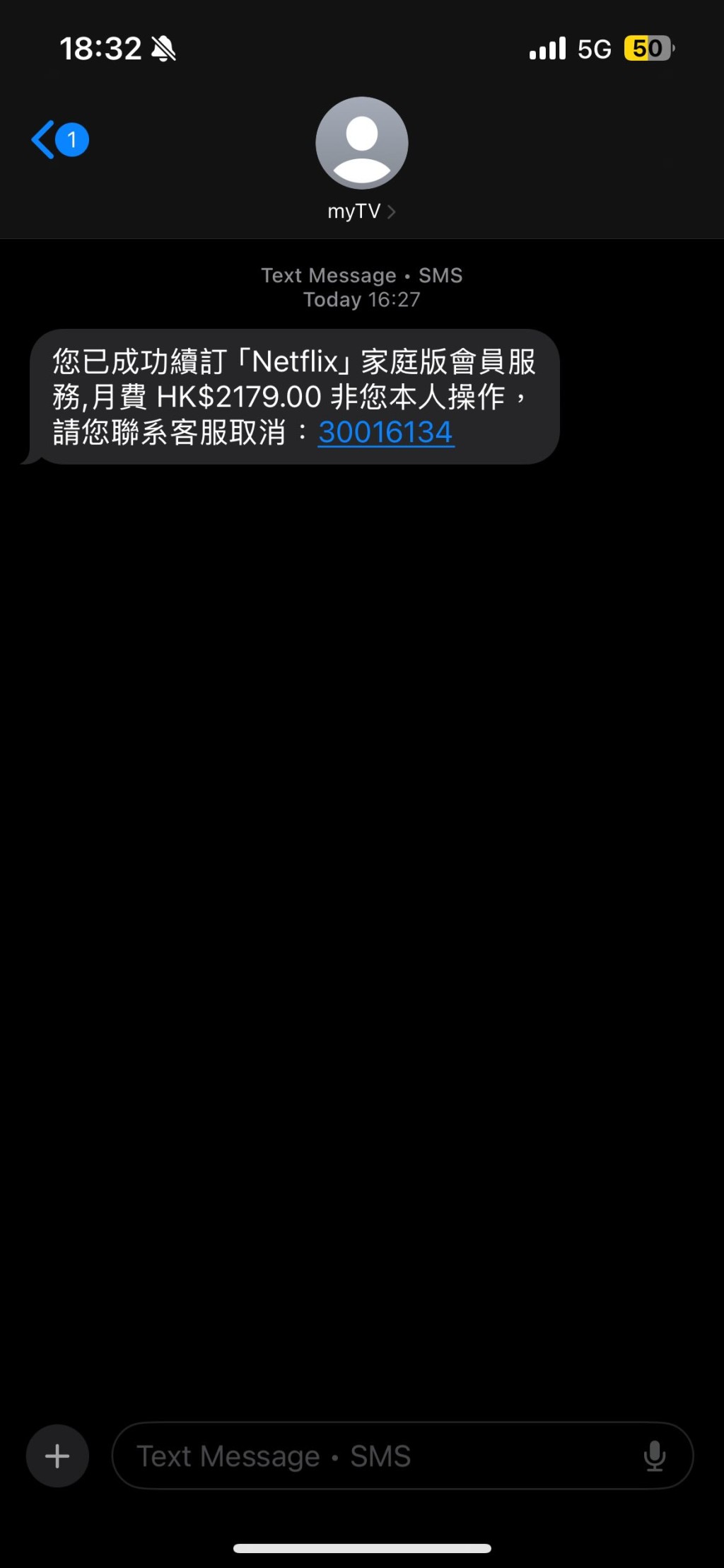
A wave of deceptive SMS scams has swept through Hong Kong, with fraudsters impersonating HOY TV and other media services to trick residents into divulging sensitive information.
The scam messages, which falsely claim recipients have subscribed to services like HOY TV or other platforms such as Netflix, myTV, ViuTV, and IPTV, have contributed to over 1,100 reported online fraud cases this month.
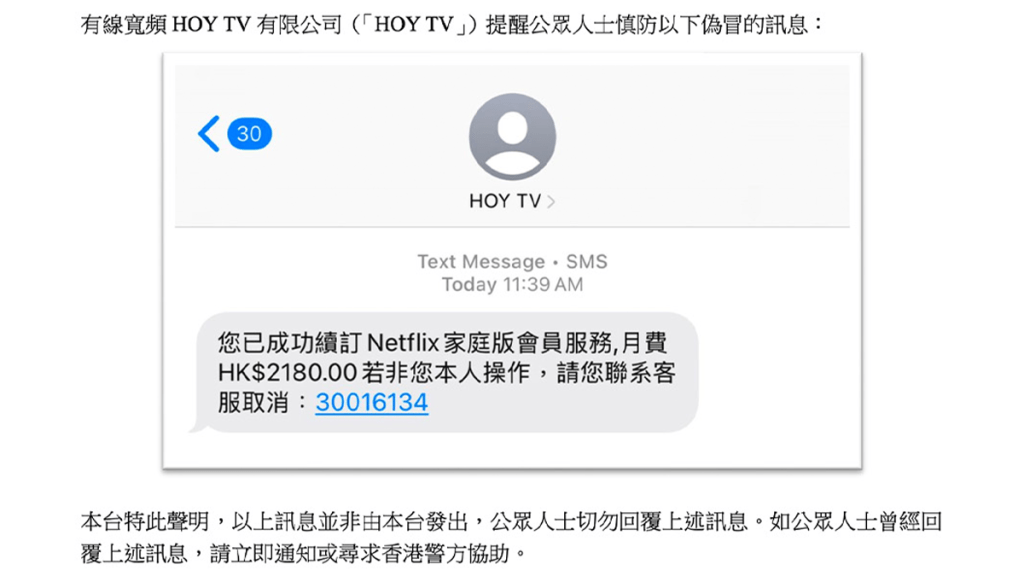
These scams have cost victims nearly HK$30 million, with some messages demanding exorbitant fees, such as HK$2,180 for a supposed Netflix family plan, and directing users to contact fake customer service lines to cancel unauthorized charges.
Notably, these fraudulent texts lack the “#” prefix used by verified accounts, a key indicator of their illegitimacy.
Investigations into the scam revealed that fake customer service representatives attempted to extract account numbers, passwords, and one-time passcodes from victims, claiming charges would be deducted from platforms like WeChat, Alipay, bank accounts, or credit cards.
The goal was to gain unauthorized access to victims’ financial accounts, highlighting the sophisticated tactics used to exploit trust in reputable brands like HOY TV.
In response, HOY TV issued a statement today on social media, emphasizing that it had not sent the fraudulent messages and urging the public to avoid responding to them.
The broadcaster advised anyone who may have engaged with the scammers to immediately contact the Hong Kong police for assistance.
To help users identify legitimate communications, HOY TV noted its participation in a sender registration scheme, ensuring all official messages from accounts like #i-CABLE, #iMobile, and #HKCableTV begin with a “#” symbol.
Additionally, the company highlighted that its social media accounts on platforms such as WhatsApp, Facebook, Instagram, and Threads are verified with blue ticks, providing a clear way to distinguish authentic communications from fraudulent ones.