Read More
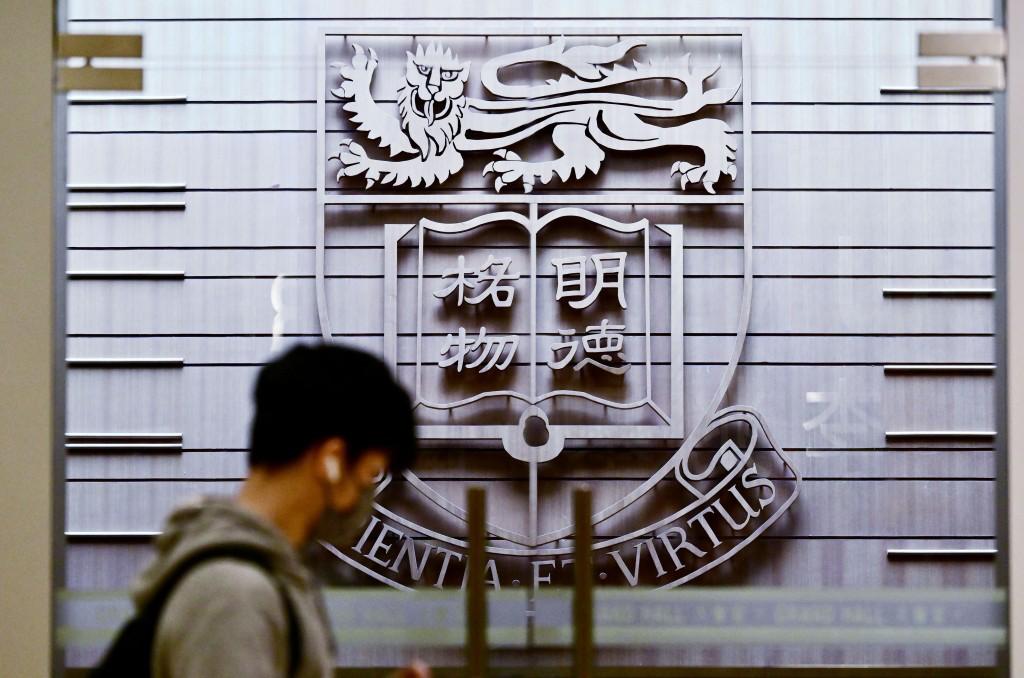
Hong Kong will allow more self-financing places for non-local students, raising the limit from 40 to 50 percent of the undergraduate student body starting from the 2026-27 academic year.
ADVERTISEMENT
SCROLL TO CONTINUE WITH CONTENT
The over-enrolment ceiling for self-financed research postgraduate programs will also be lifted, from 100 percent to 120 percent.
These measures will not affect the 15,000 publicly funded places reserved for local students.
To address the growing demand for student accommodation, the government is expanding its Hostels in the City Scheme. Effective immediately, incentives such as waiving rezoning requirements will apply to the redevelopment of commercial buildings into new hostels, not just conversions. The government will also designate new sites — including commercial zones — specifically for building student hostels and will call for market expressions of interest later this year.
A new Task Force on Study in Hong Kong will be established to lead a large-scale promotional campaign highlighting the city’s academic strengths. Furthermore, an additional HK$40 million has been allocated to publicly funded universities to enhance their overseas and mainland recruitment efforts for teachers and students.
In a move to align education with industry needs, Hong Kong Metropolitan University (HKMU) and Saint Francis University (SFU) have been designated as Universities of Applied Sciences, encouraging deeper collaboration with leading enterprises. Their alliance will explore cooperating with polytechnic institutions in Guangdong Province to establish a Greater Bay Area exchange platform.
Concurrently, the government pledged to promote the international recognition of the Hong Kong Diploma of Secondary Education (DSE) through exhibitions abroad and on the mainland.
The Education Bureau also announced a crackdown on unauthorized DSE programs and “shell schools,” utilizing unannounced inspections and a new reporting mechanism. A Code of Practice for Private Schools will be formulated within the year to improve operational standards.
Other measures include allowing Direct Subsidy Scheme schools to apply to expand classes for more non-local students, allocating two vacant school premises for international school development, and reserving sites in the Northern Metropolis for future international schools.
A HK$2 billion fund will support digital education in primary and secondary schools, culminating in a Blueprint for Digital Education in 2026. The strategy will include integrating AI into the core curriculum and enhancing teacher training.