Read More







Xiaomi CEO Lei Jun takes selfie with Musk goes viral online
14-05-2026 23:39 HKT
Hong Kong: a familiar, trusted partner for Australian businesses
11-05-2026 06:00 HKT


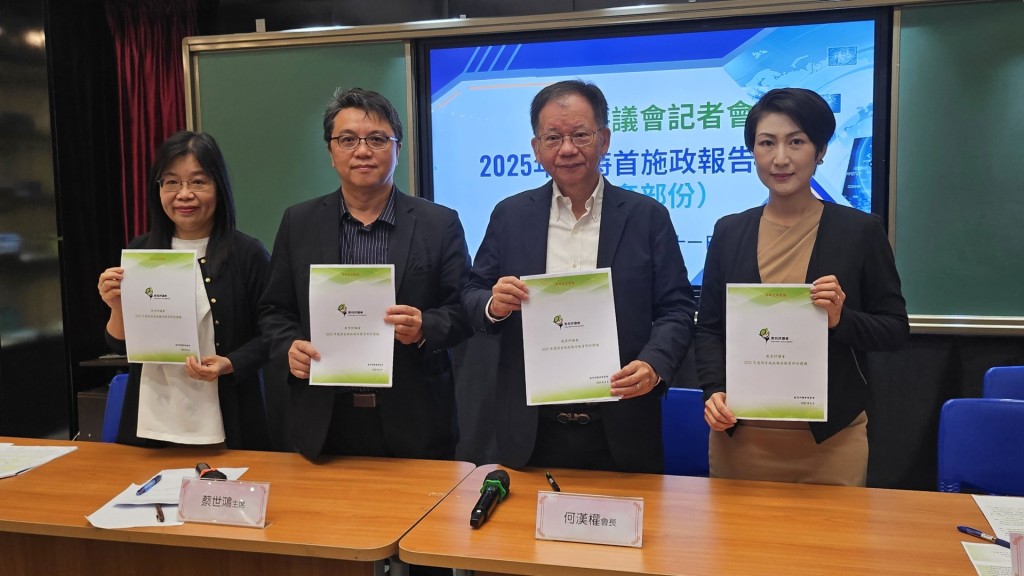
The Education Convergence has proposed four key recommendations for the upcoming 2025 Policy Address, including comprehensive digital education and artificial intelligence development, suggesting that at least 5% of teachers per school receive basic AI training and each school appoint a digital education officer responsible for formulating and developing digital education policies and curricula.
Education Convergence chairman Choy Sai-hung stated that current digital education policies lack clear distinction between AI and STEAM education. The organization recommends separating AI from the STEAM framework to enhance education and training at an accelerated pace. Overall, the Education Bureau should establish an AI curriculum framework, accelerate implementation, and affirm the importance of digital education.
Regarding teacher training, Choy proposed that each school should have at least 5% of teachers complete basic AI training, potentially requiring 20 to 30 learning hours annually. Each school should also designate a digital education officer responsible for developing digital education policies and curricula. He further suggested the Education Bureau establish more platforms for external collaboration and support, such as organizing seminars and forums to help the education sector better understand the AI landscape, noting that various corporate learning software and big data platforms could significantly benefit teaching and learning.
On developing Hong Kong into "Asia's learning capital," Education Convergence president Ho Hon-kuen noted that while Hong Kong aims to become an international education hub, current efforts primarily focus on universities, with relatively strict admission policies for non-local students in primary and secondary schools. The organization recommends establishing an inter-bureau dedicated committee and implementing a "student visa" system for primary and secondary schools, allowing non-resident children to study at government-recognized schools through additional tuition fees without affecting local children's access to free education.
Ho emphasized that addressing accommodation issues is crucial for receiving mainland and overseas students. The Education Convergence suggests the inter-bureau committee explore allowing certain schools to convert dormitories into student residences through pilot programs hosting small numbers of mainland and international students. Long-term measures include constructing district-based student hostels within schools with available space or in vacant school buildings for collective accommodation of mainland and overseas students from schools within the same district.