Read More




Morning Recap - October 20, 2026
11 hours ago

Macron and wife dance at Celine Dion concert amid French riots
19-10-2026 13:26 HKT


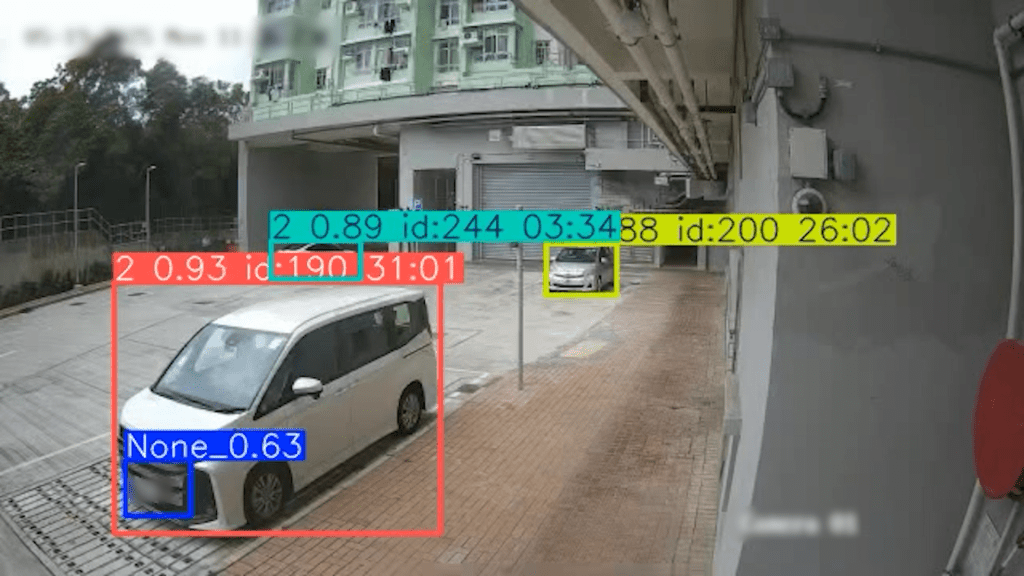
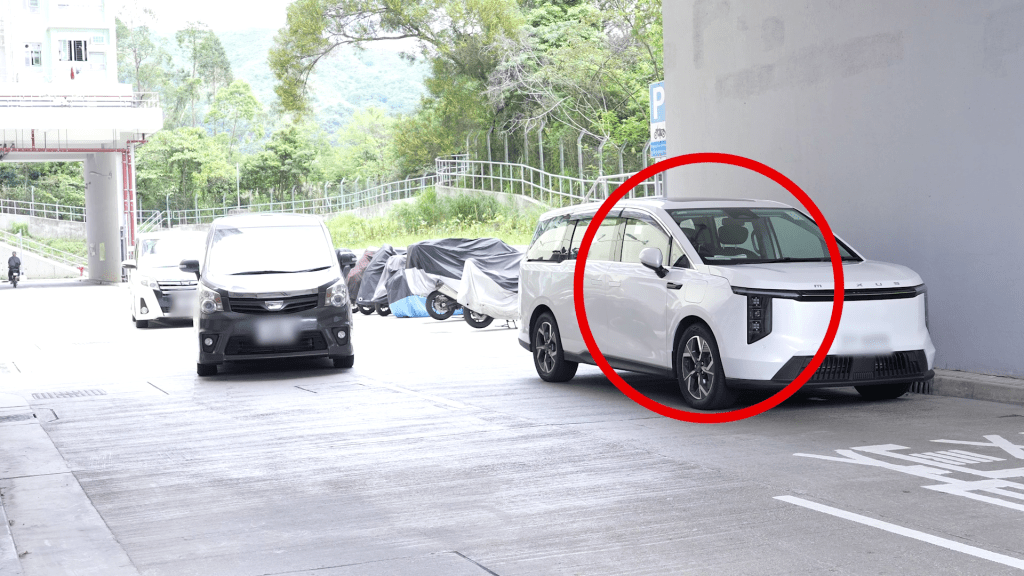
The Housing Department introduced an advanced “Artificial Intelligence Illegal Parking Monitoring System” in public housing estates to ensure clear driveways and safety amid the recurrence of vehicle parking violations, which are affecting residents’ access and potentially obstructing emergency vehicles
Moreover, the department is also using drones to assist in inspecting building exteriors and lift shafts, strengthening routine maintenance efficiency and upgrading the traditional management model to a new “smart-driven, instant-response” approach.
This came as Sing Tao Probe, The Standard’s sister publication, visited public housing estates to understand the practical application and effectiveness of the smart technologies.
To combat illegal parking, the Housing Department continues to optimize its monitoring system to strengthen enforcement. In addition to using existing mobile cameras for video surveillance, it has introduced the AI monitoring system.
The system can monitor multiple illegally parked vehicles in real time. Once a violation is detected, the system immediately notifies frontline staff to take regulatory action, including urging drivers to drive their vehicles away, issuing warnings, or even impounding the vehicle, serving as a deterrent to offending drivers.
The monitoring system analyzes real-time footage through mobile high-definition digital cameras, automatically tracks parked vehicles, and calculates their parking duration.
When the parking duration of a vehicle exceeds the preset time limit, the monitoring screen will light up with a red alert and notify frontline staff for follow-up.
Compared to the previous method of manually reviewing video footage, the new system effectively improves management efficiency and reduces disputes between staff and offending drivers.
Since the introduction of the AI monitoring system, it has had a certain deterrent effect on offending drivers as they will have to pay a fixed fine of HK$320 once their vehicle is impounded.
Some public housing residents said that after the implementation of the monitoring system, frontline staff can quickly drive away illegally parked vehicles, and the situation within the estate has greatly improved.
In addition to using technology to keep roads clear, the Housing Department has extended its application of technology to high altitudes.
The department has adopted drones equipped with telephoto lenses and infrared thermal camera to enhance traditional building inspection. The drones can survey from various angles at high altitudes, capture images of external walls and conduct temperature sensing.
Staff will then use AI to preliminarily analyze the photos and videos taken by drones to identify issues such as cracks. This facilitates prioritization of estate maintenance projects.
Compared to traditional inspection methods – including visual observation using binoculars, and recording with cameras – the effectiveness of using drones is more significant. It not only shortens the time needed to inspect external walls but also reduces the risk of surveying personnel working at height.
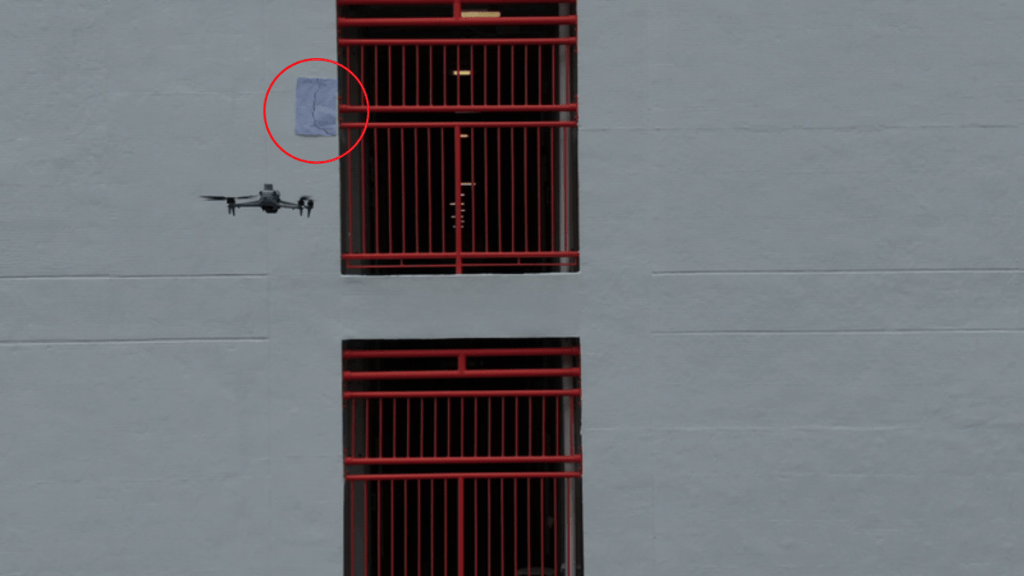
Sing Tao Probe conducted a field test at the estate by sticking imitation cracks on a building’s exterior. The drone quickly located the crack positions, demonstrating its high efficiency.
Before each drone inspection, estate staff would issue notices to inform residents. The system also automatically blurs the portraits of people to protect residents’ privacy.
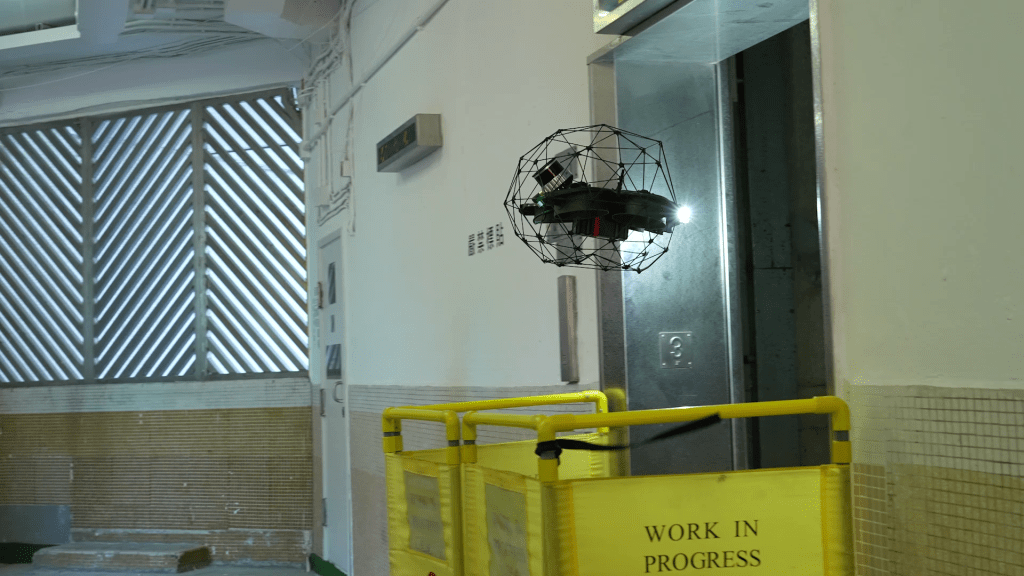
Small drones are not only applicable to outdoors but can also fly into lift shafts for inspection.
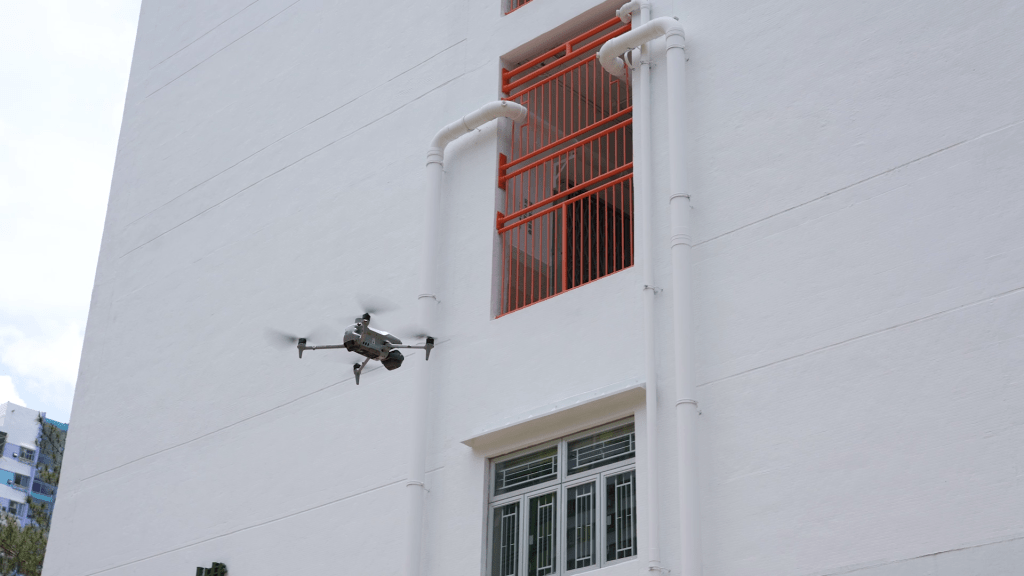
Drones are equipped with real-time spatial scanning capabilities and use optical radar for positioning, allowing flexible operation even in areas not covered by satellite navigation systems. The drones are also equipped with lighting systems to enable image-capturing in dimmed indoor spaces.
This would allow technicians to investigate internal conditions without entering a lift shaft. Also, time is saved by eliminating the need for constructing working platforms and because lift service suspension time is shortened, reducing the impact on residents.
The maintenance surveyor of the Housing Department, Jimmy Tsang King-fai, said small drones can be used to conduct close-range examination of external walls and drainage pipes.
“The Housing Department conducts systematic inspections of public housing estate external walls annually. Using drones along with artificial intelligence analysis allows more accurate assessment of wall conditions and improves the efficiency of routine maintenance,” Tsang said.
“When potential issues are noted at the external concrete walls, drones may also be deployed for emergency inspection and risk assessment.”
Tsang also said drones can enter dark, enclosed environments to capture images, allowing quick screening of defective areas for maintenance personnel to follow up. The results are both effective and timesaving, while also ensuring the safety of the workers.
Through smart transformation, the quality and efficiency of estate management services have been further enhanced, creating a safer and more convenient living environment for residents.