Amid waning interest in the government’s “Night Vibes Hong Kong” campaign, the Business and Professionals Alliance for Hong Kong (BPA) has put forward new proposals aimed at revitalizing the city’s night economy.
Launched three years ago to stimulate nighttime spending during the post-pandemic recovery, “Night Vibes Hong Kong” was designed to counter changing consumer habits and low tourist numbers.
As many restaurants continued to close early, the government expanded the initiative to all 18 districts, introducing seaside markets and extended shopping mall hours to encourage locals to dine and shop after dark.
However, the campaign has received little attention in recent policy discussions, including last year’s Policy Address and the Development Blueprint for Hong Kong’s Tourism Industry 2.0. Notably, its official website is no longer accessible.
In a bid to reinvigorate nighttime activity, the BPA has proposed several regulatory relaxations, including eased land-use and noise restrictions, permission for street vendors to use open-flame cooking, the establishment of weekend night bazaars across multiple districts, and collaborations with intellectual property brands for promotional events.
Some within the alliance have criticized the government’s focus on a “mega event economy,” arguing that it overlooks the need for deeper structural economic change. They question whether simply expanding night markets can effectively address fundamental shifts in consumption patterns.
BPA chairman and lawmaker Lo Wai-kwok pointed to the success of night economies in mainland cities, expressing confidence that Hong Kong can rejuvenate its nightlife if regulatory hurdles are reduced.
Yet economist Simon Lee Siu-po remains doubtful, noting that evolving consumer behavior has created a divide within the retail and catering sectors.
He suggested that while open-air night markets in lower-income areas such as Sham Shui Po could improve local employment, their broader economic impact remains unclear.
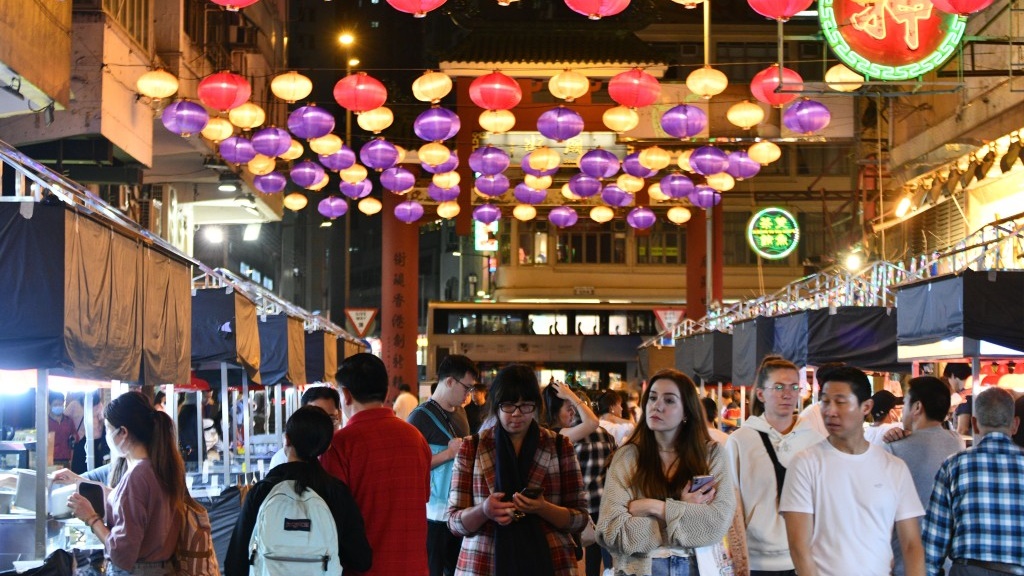
The Temple Street Night Market, once a centerpiece of the campaign, has reportedly seen a decline in both visitors and revenue since its launch.
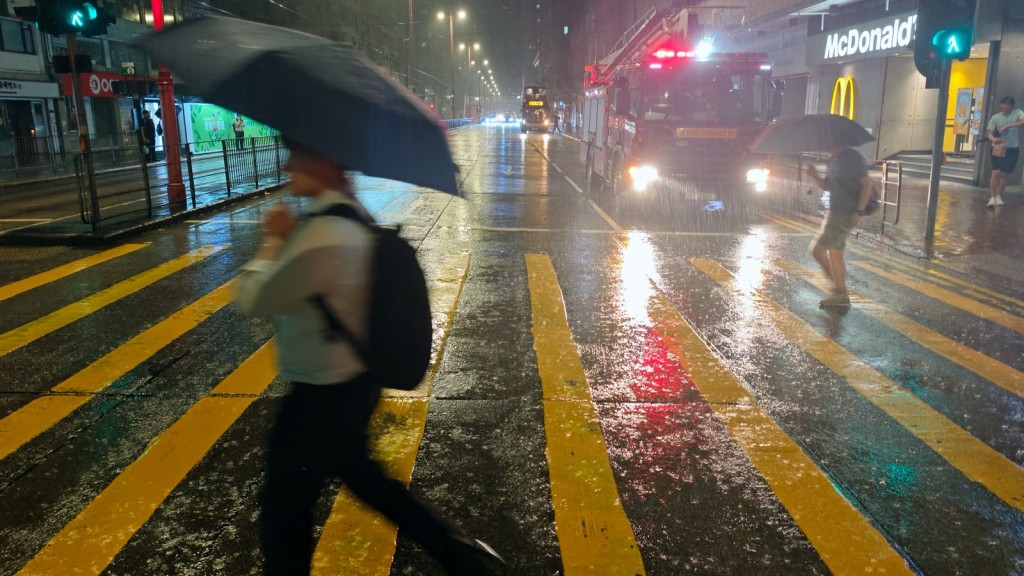
Raymond Chan Kam-wing, chairman of the Yaumatei Temple Street Association of Hawkers and Shop Operators, confirmed that the market continues to draw around 5,000 daily visitors, though recent poor weather has dampened tourist turnout.
Chan highlighted a shortage of major nighttime tourist attractions in the city and emphasized the market’s unique features—such as fortune-telling stalls and a jade market—as drawcards.
However, he voiced caution over the BPA’s proposal to permit flame cooking, warning of potential safety risks compared to electric alternatives.
He also stressed that successful night markets depend on careful location selection, timing, and community backing, noting that sustainability is difficult without distinctive local character.
Among other suggestions, BPA lawmaker Benson Luk Hon-man proposed extending performance hours at venues like Kai Tak Sports Park until 11pm, urging authorities to offer fee adjustments for events that run overtime.
With Kai Tak attracting large audiences, Luk emphasized the government’s role in providing flexibility to event organizers to help stimulate spending across the city.