Read More
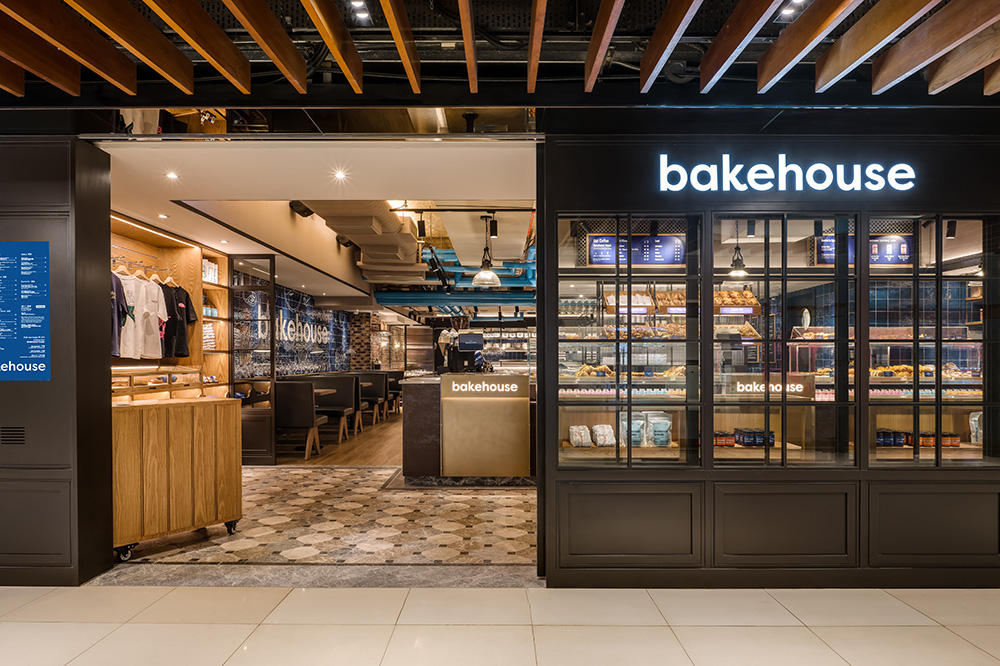
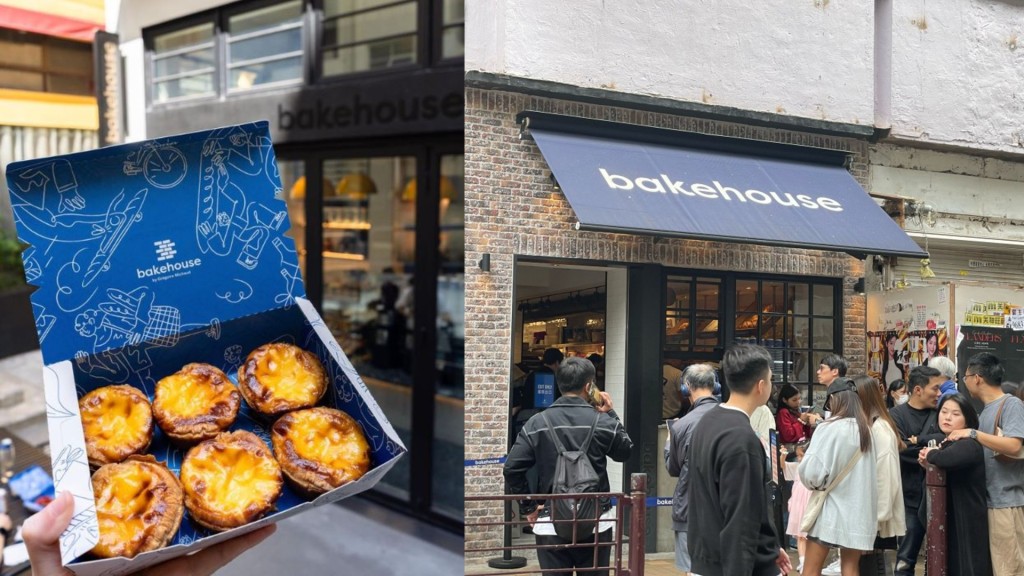
A heated culinary discussion has erupted over what defines an authentic Hong Kong egg tart, pitting neighborhood bakeries against viral sensation Bakehouse.
ADVERTISEMENT
SCROLL TO CONTINUE WITH CONTENT
The spark: questioning culinary authenticity
The controversy ignited when a local resident challenged whether Bakehouse’s sourdough egg tarts—founded by Swiss baker Grégoire Michaud—could truly represent Hong Kong’s culinary heritage.
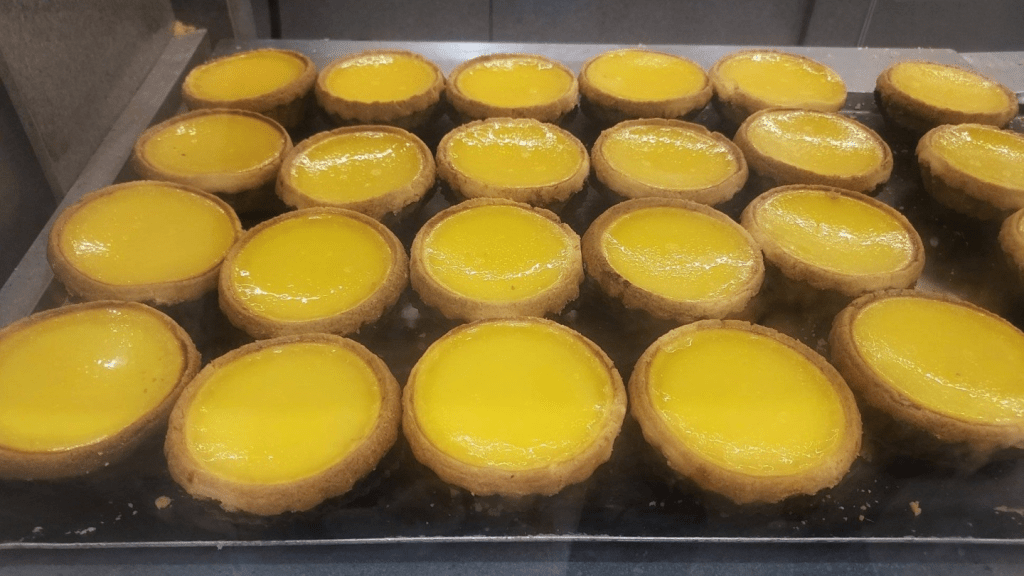
Traditionalists argued that the city’s iconic tarts come in two classic styles: the buttery shortcrust "cookie shell" and the flaky puff pastry version, typically sold for just HK$5-6 at decades-old local bakeries. In contrast, Bakehouse’s HK$12 sourdough tarts have gained international fame, drawing long tourist queues.
The debate: ownership vs. innovation
The discussion quickly spread across social media, with netizens divided over what makes an egg tart authentically "Hong Kong." Some dismissed the ownership argument, pointing out that many beloved local bakeries were originally started by mainland Chinese immigrants.
Others emphasized that Bakehouse's tarts offer a modern twist and are not intended to replace traditional ones. One commenter pointed out that they are different products and comparing them is pointless.
Meanwhile, tourists, especially those from Taiwan, often confuse Hong Kong-style egg tarts with Portuguese pastel de nata, which adds another layer to the debate.
The bigger picture: preserving heritage in a globalized food scene
Beyond pastries, the debate reflects Hong Kong’s struggle to balance culinary heritage with globalization.
Traditionalists worry that high-end interpretations could overshadow the humble, accessible egg tarts that have been a staple for generations.
Yet Bakehouse—though Swiss-founded—operates locally with Hong Kong staff, blending foreign influence with local craftsmanship.
As the city cements its status as a food capital, the egg tart debate underscores a broader question: Can tradition and innovation coexist? For now, both styles thrive, proving there’s room for all in Hong Kong’s rich food culture.